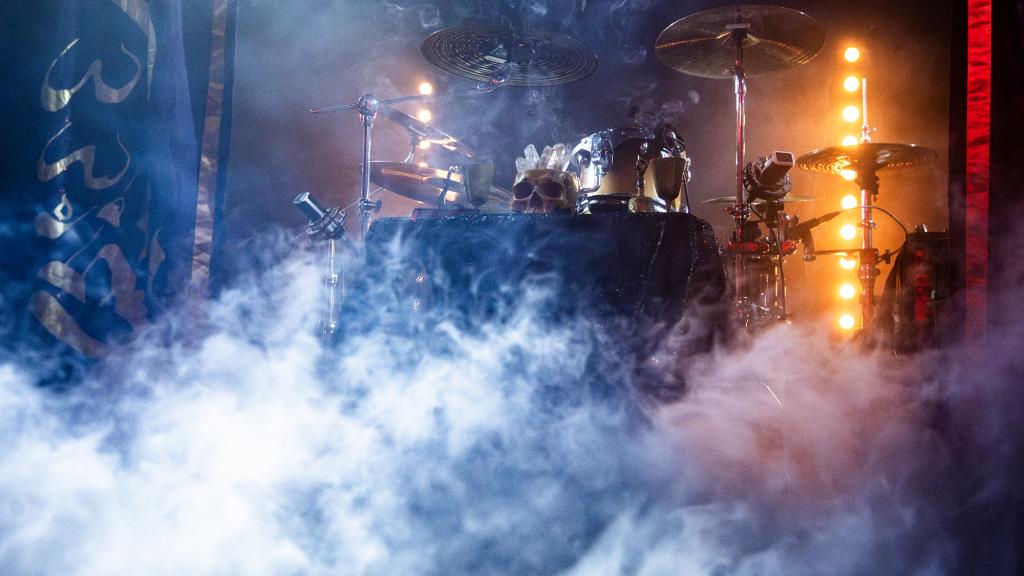
As on every Monday, you had to pick your most innocent baby to sacrifice, but this time, on top of that, Mephorash was presenting their mystical ritual for the first time in French venues after a few festival appearances. The Paris show, organised by Garmonbozia, took place at Backstage by the Mill. A neighbourhood known for its nightlife, the back room of a pub filled with Muggles as sad as they were innocent... oh yes, the evening promised to be ideal for a bit of cannibalism and a few human sacrifices, especially as Galibot were playing as the support act.
GALIBOT
Keep an eye out (not yours, remeber, we brought some inncent babies!): within a few months, Galibot will be headlining venues of a similar size. You can easily tell from the T-shirts already on display that the people wearing them have certainly turned out in force for the band from northern France. We can’t blame them, given that their new album Catabase (review) is a prime example of furious and effective black metal. Beyond Galibot’s rising (and well-deserved) popularity, this choice of support act strikes us as all the more apt given that their music is ultimately very different from Mephorash’s, offering us two distinct takes on black metal.
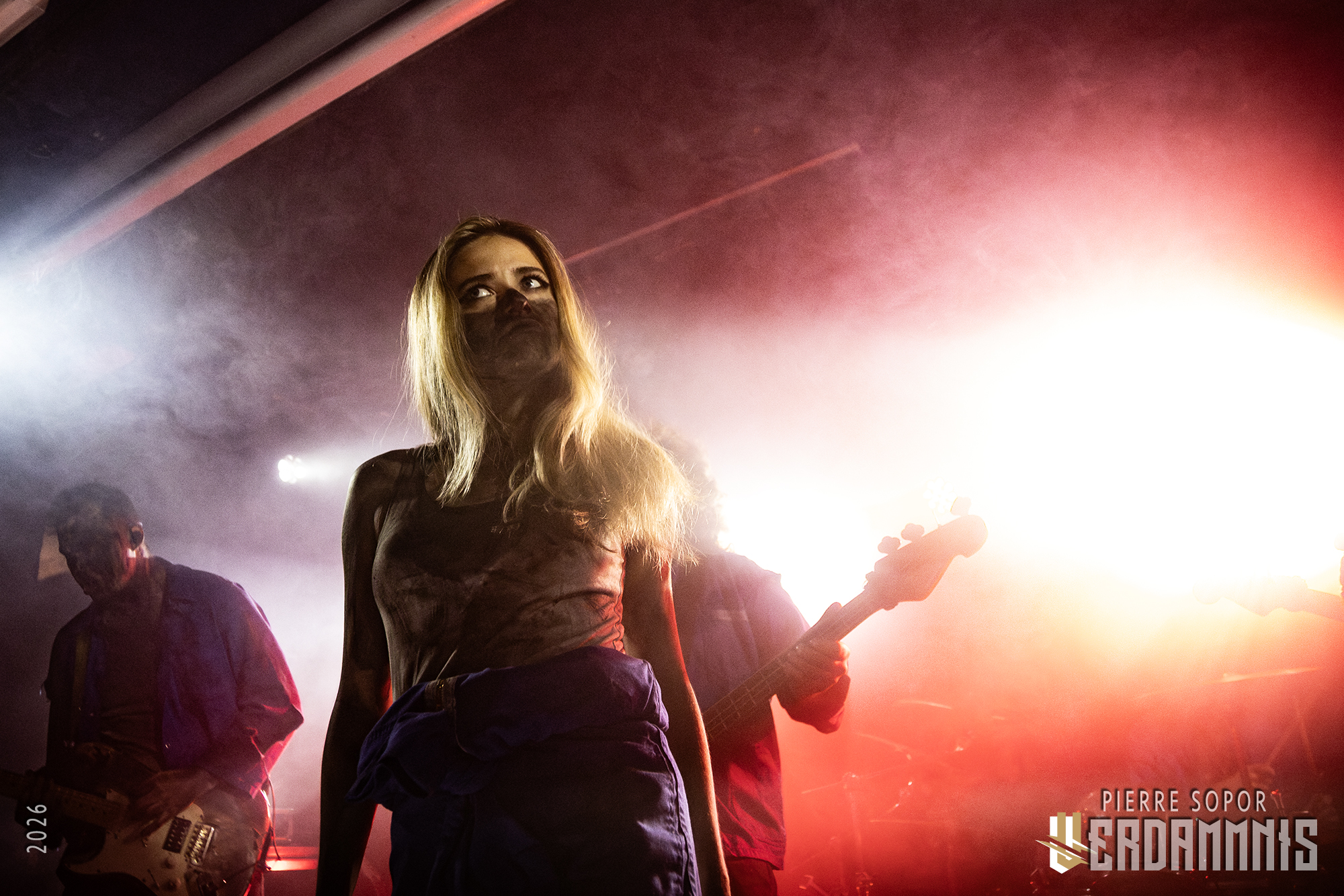
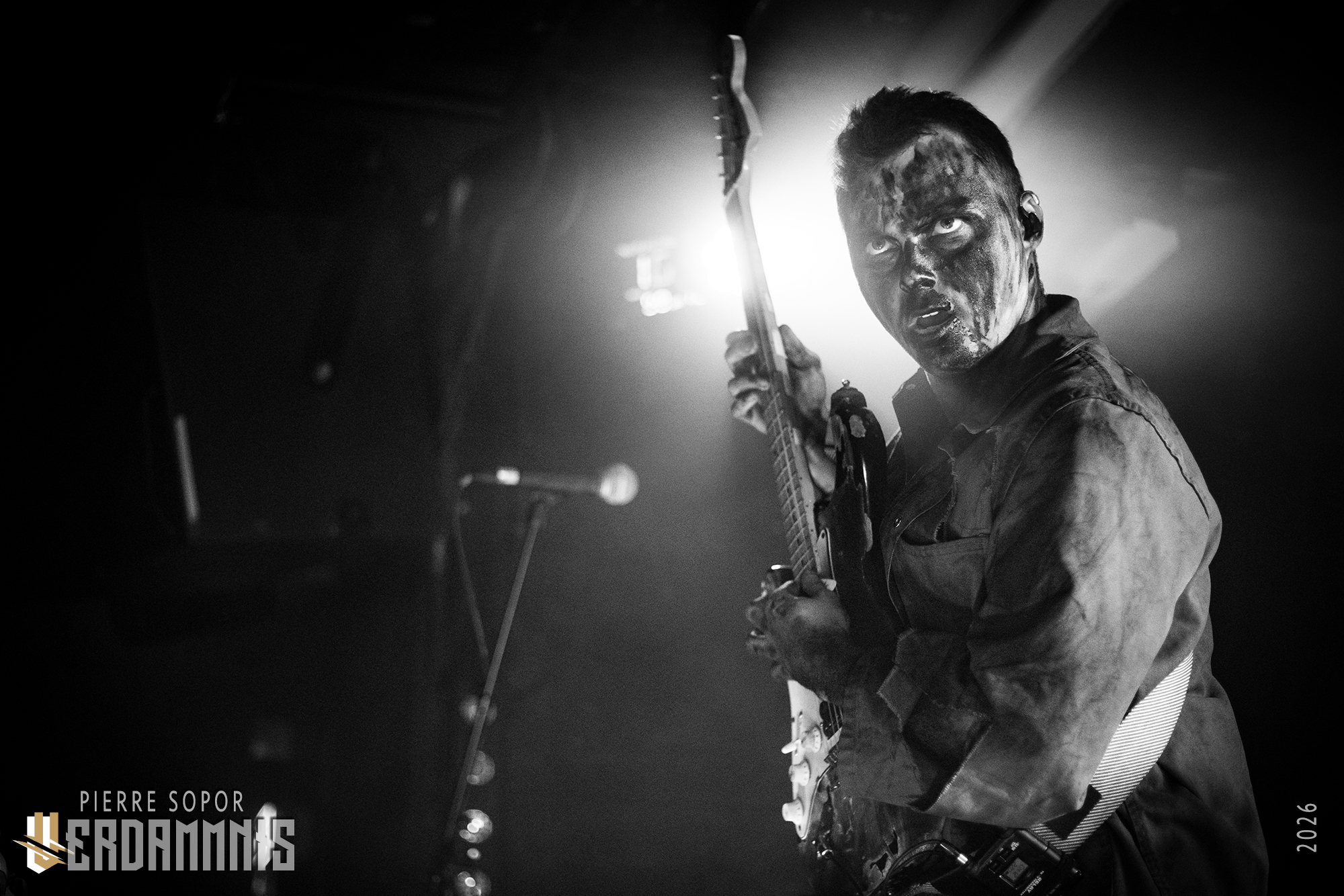
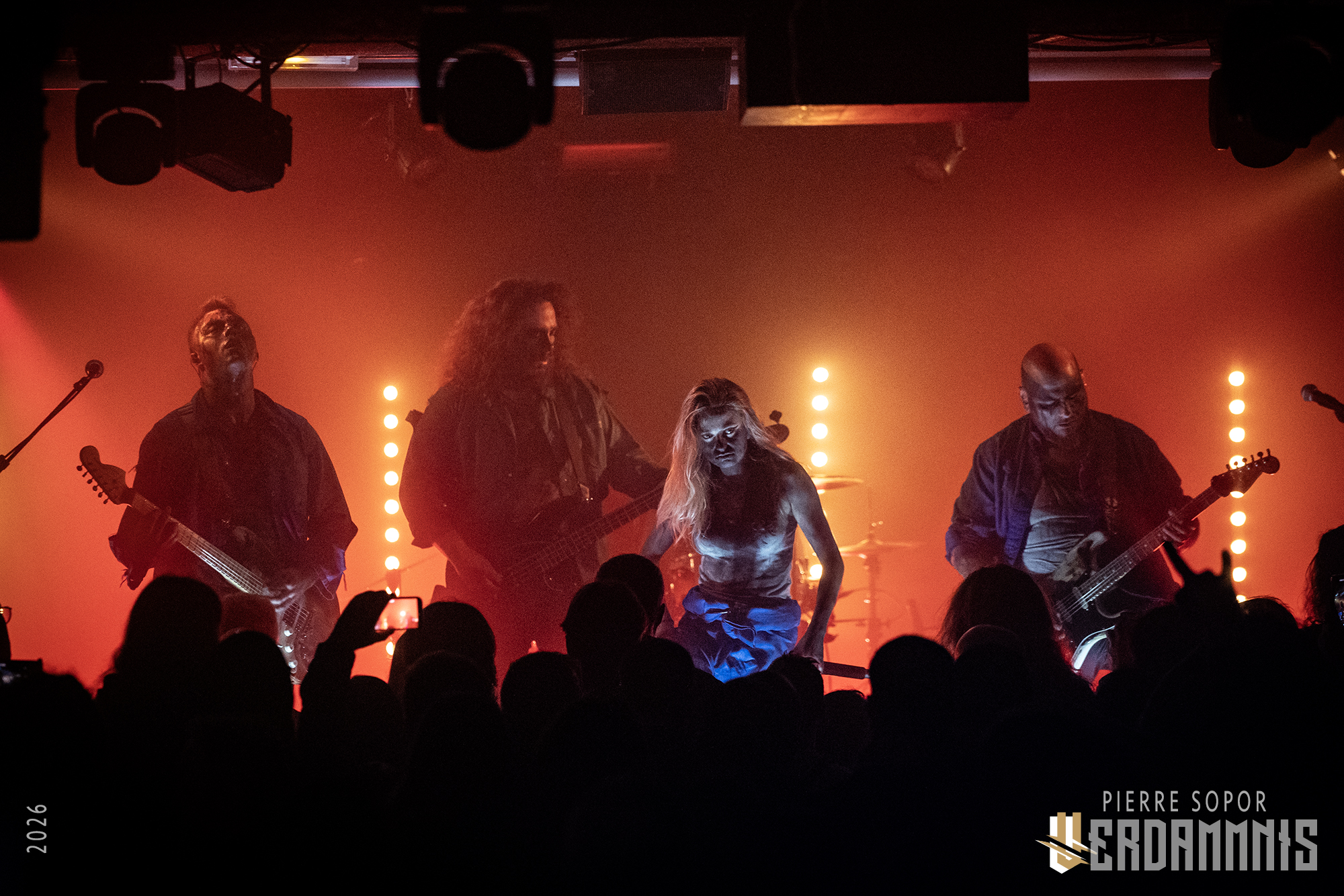
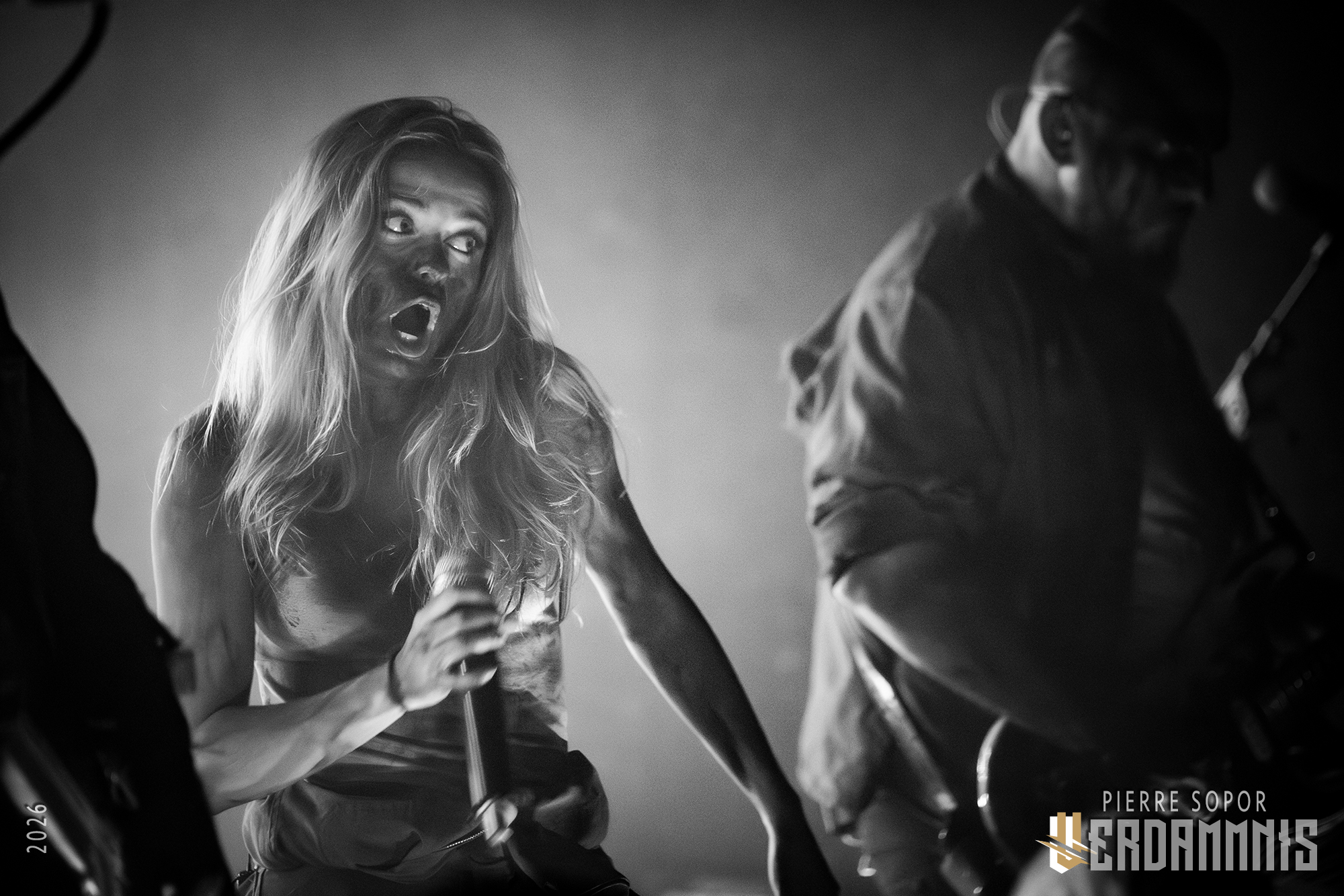
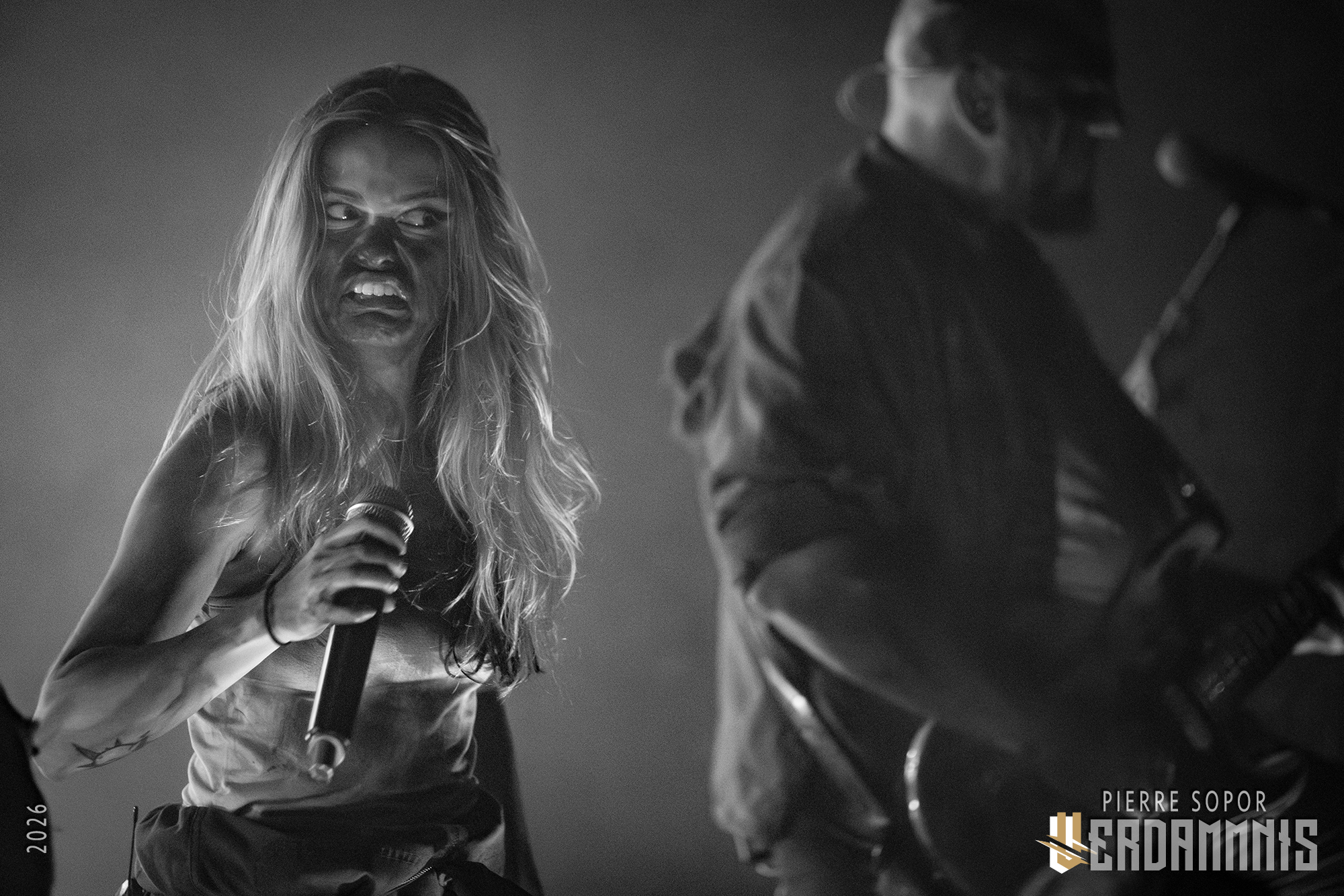
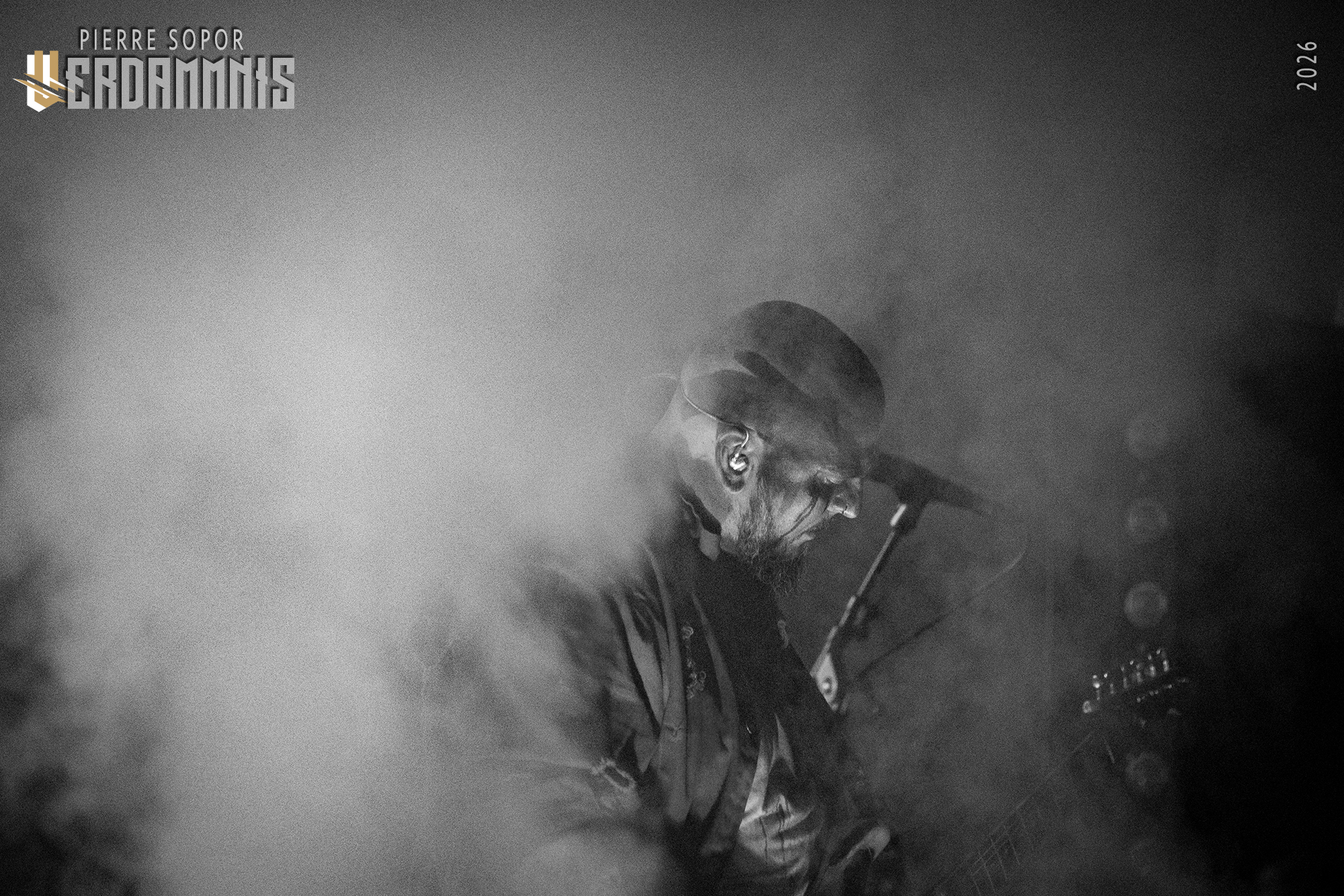
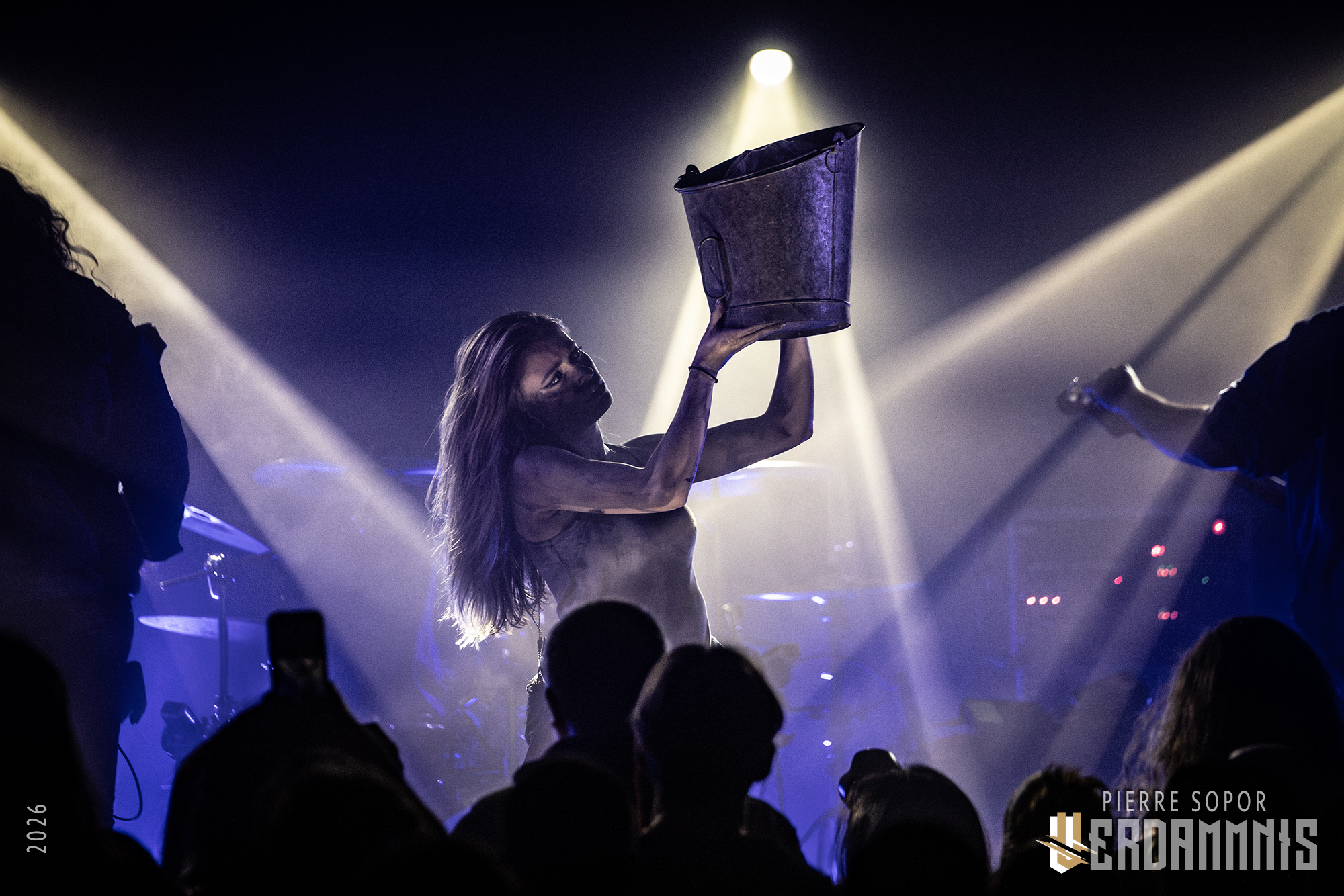
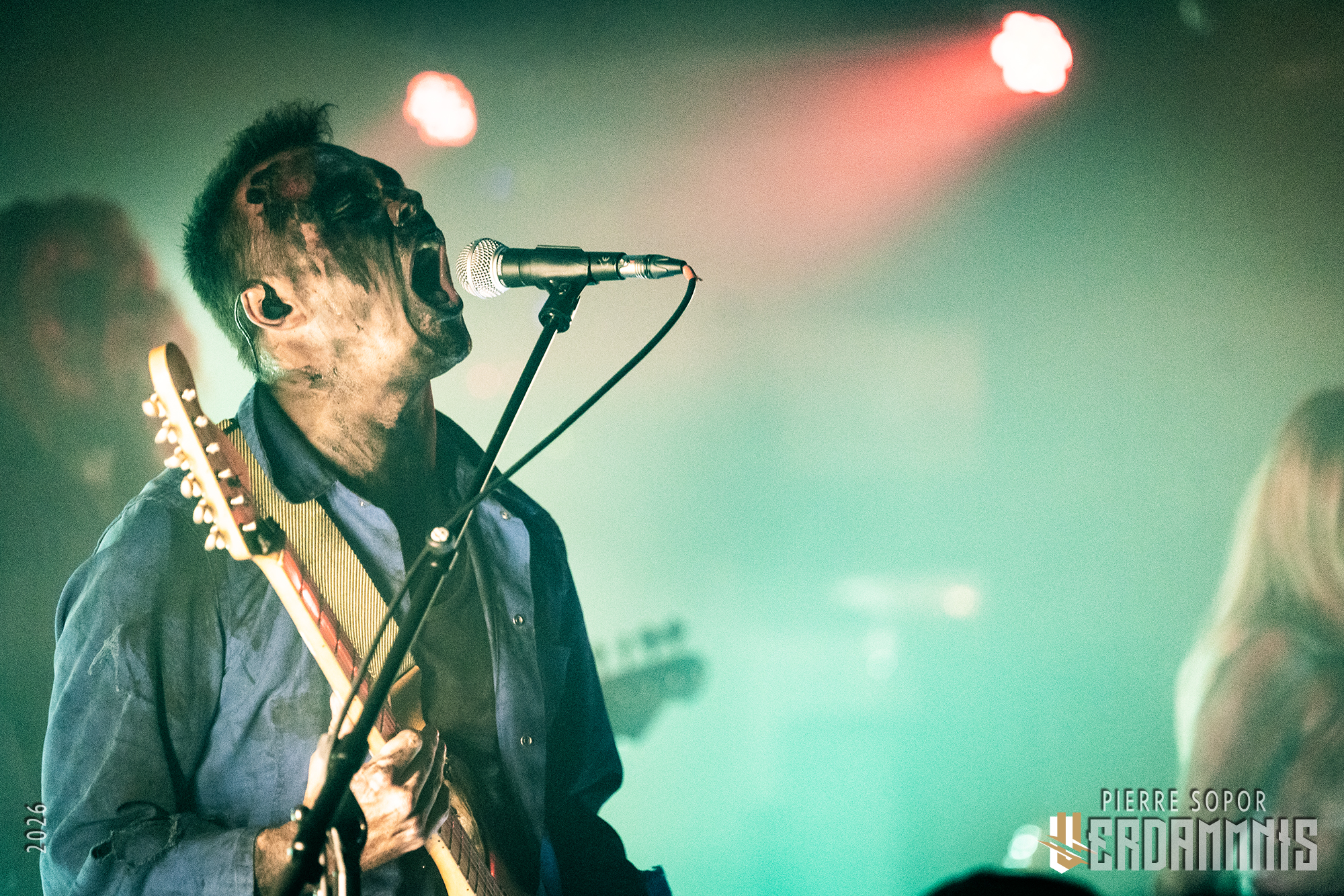
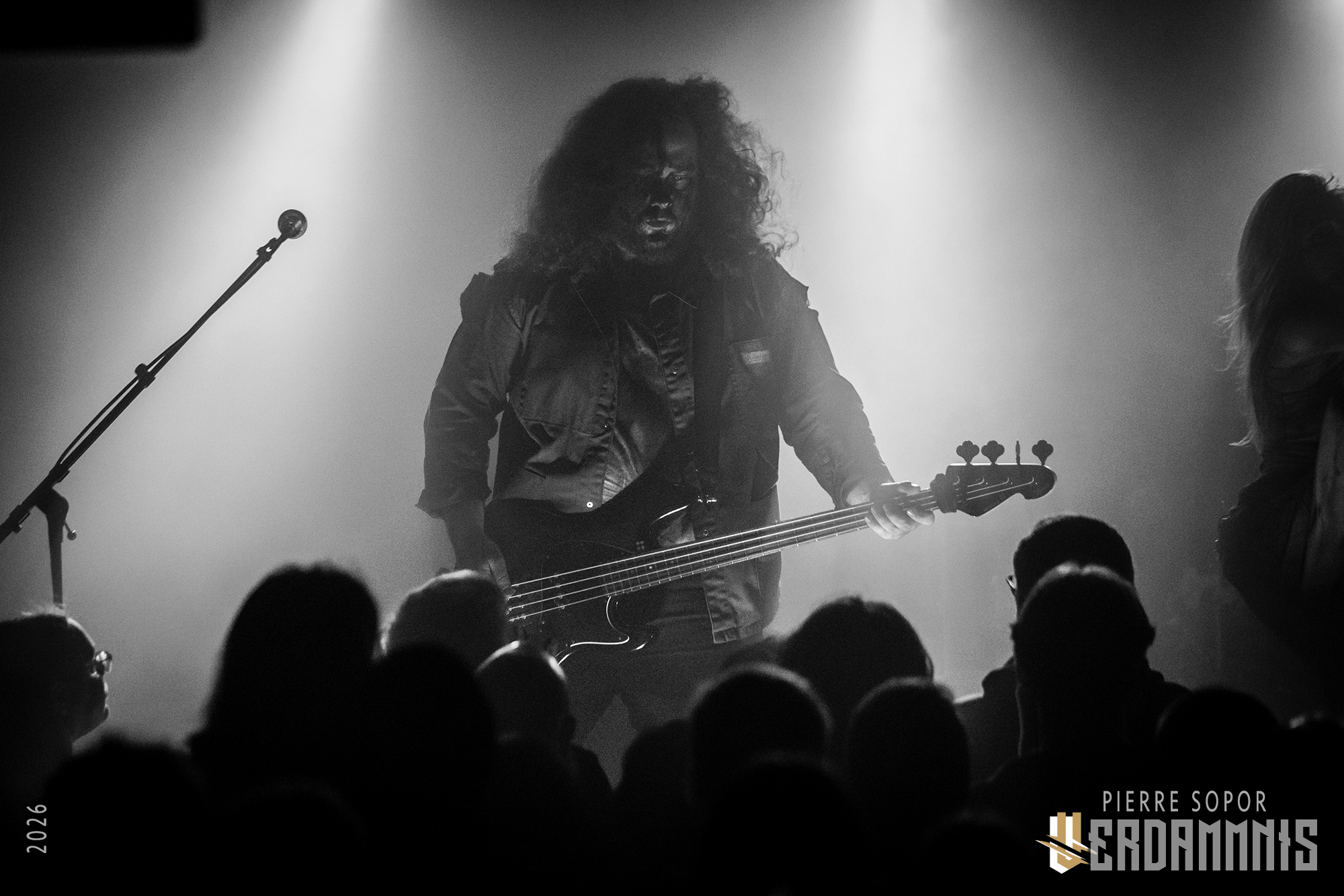
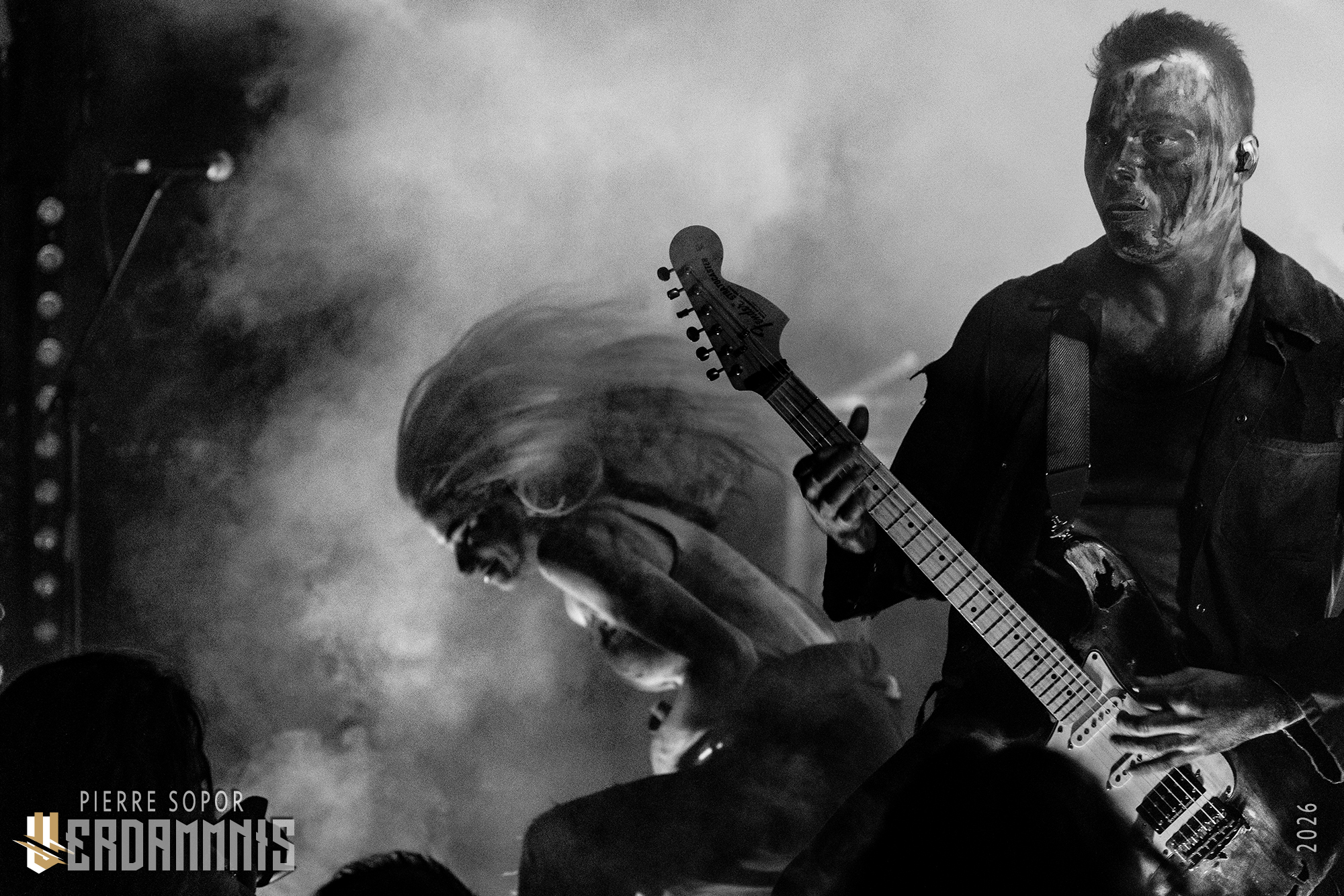
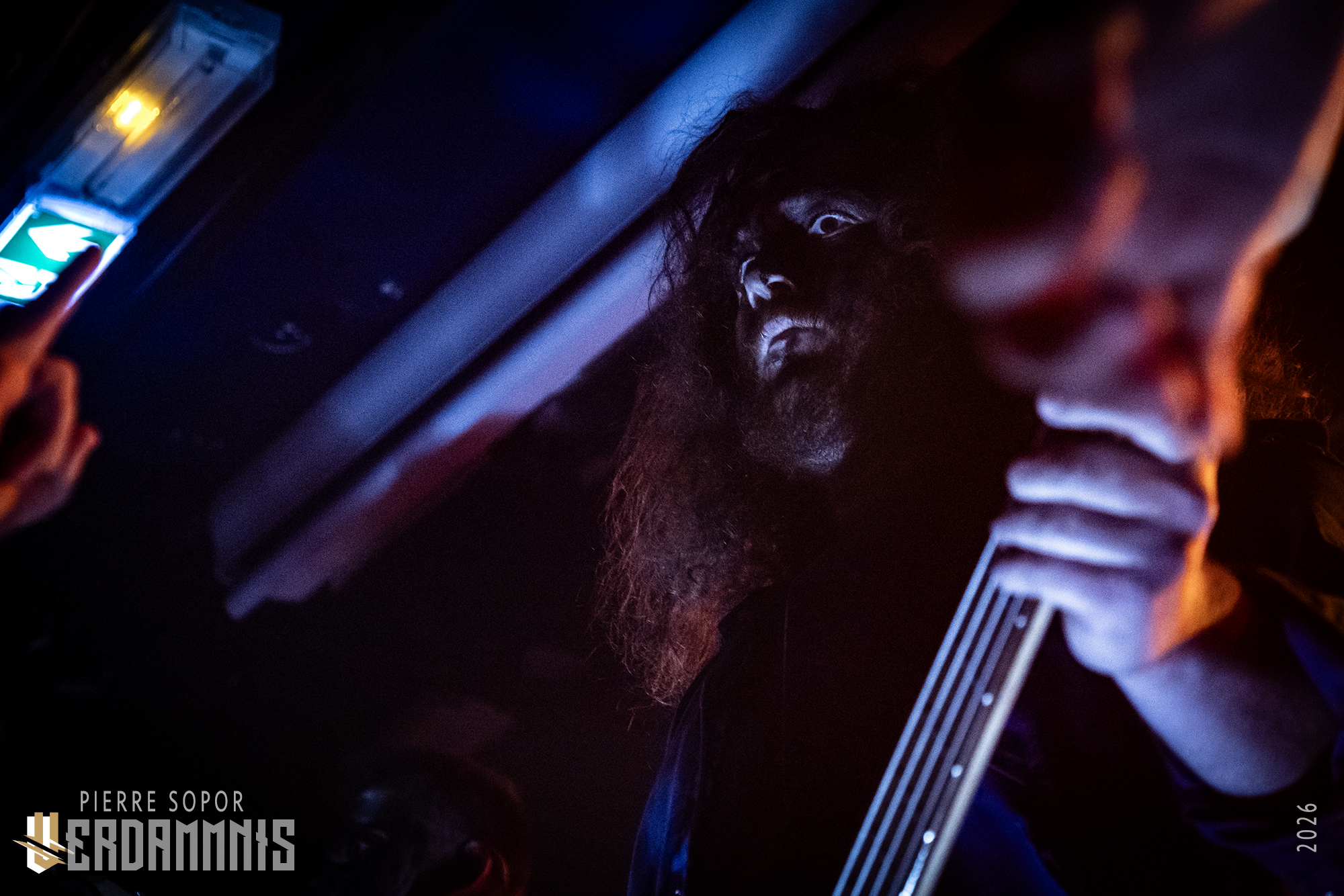
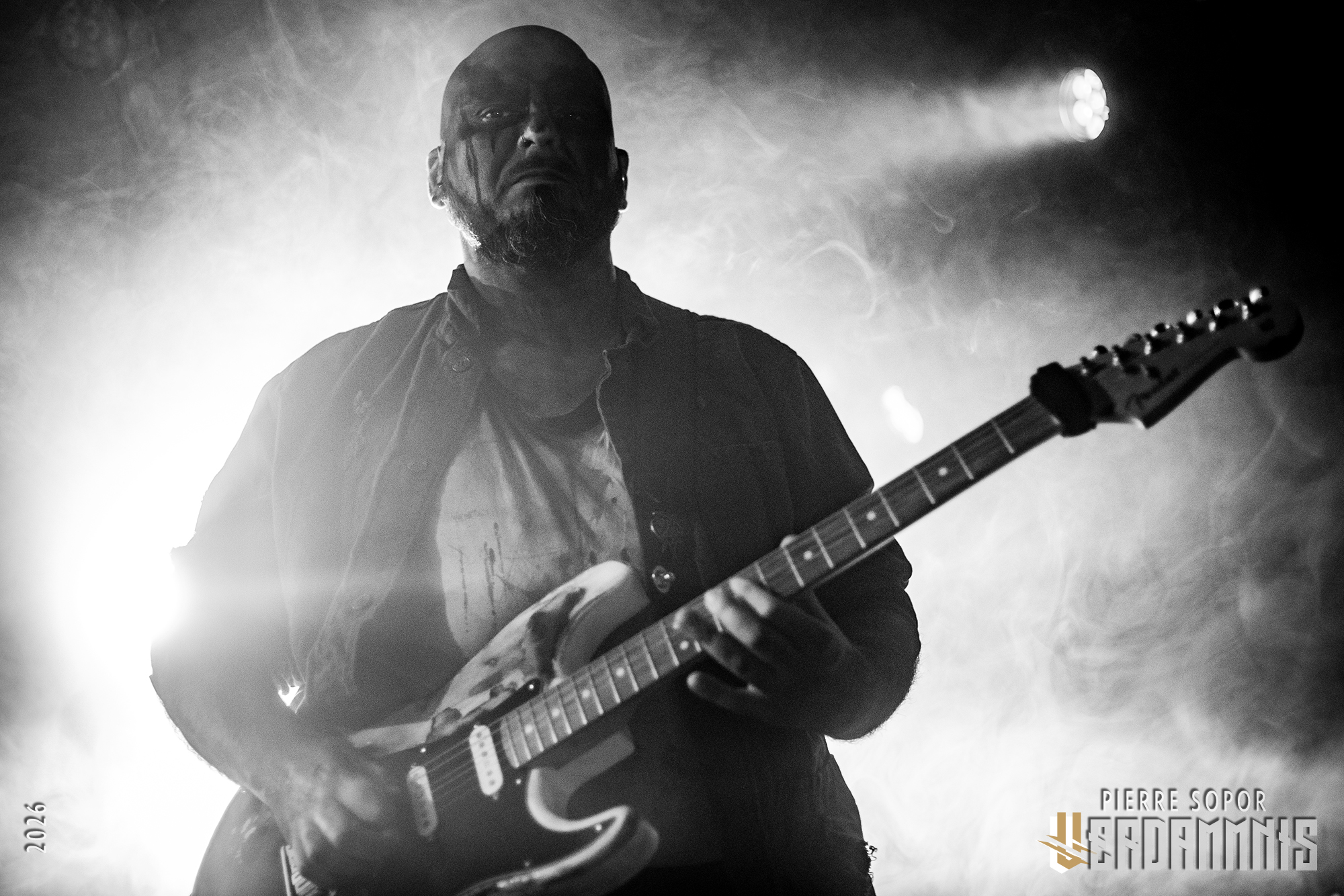
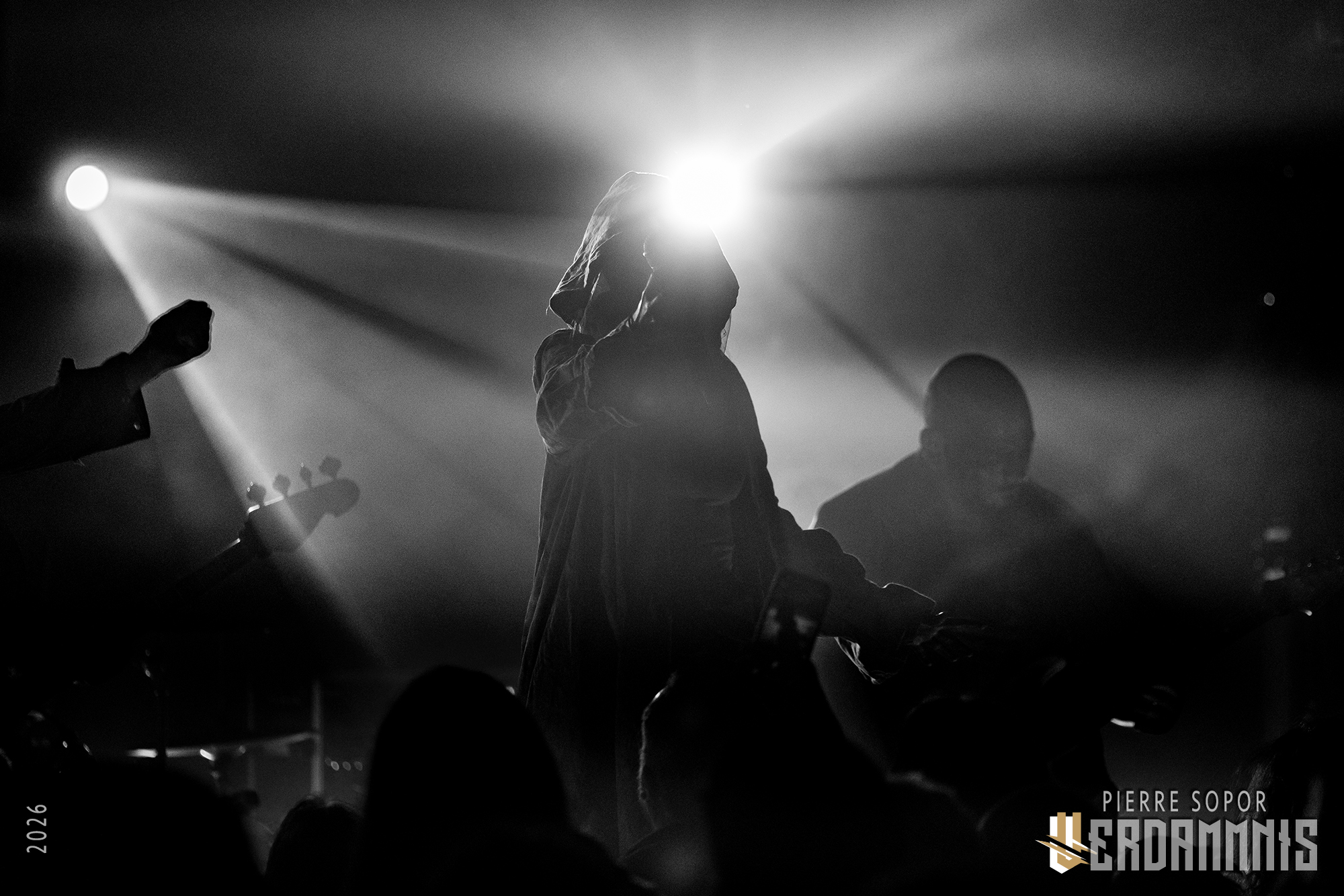
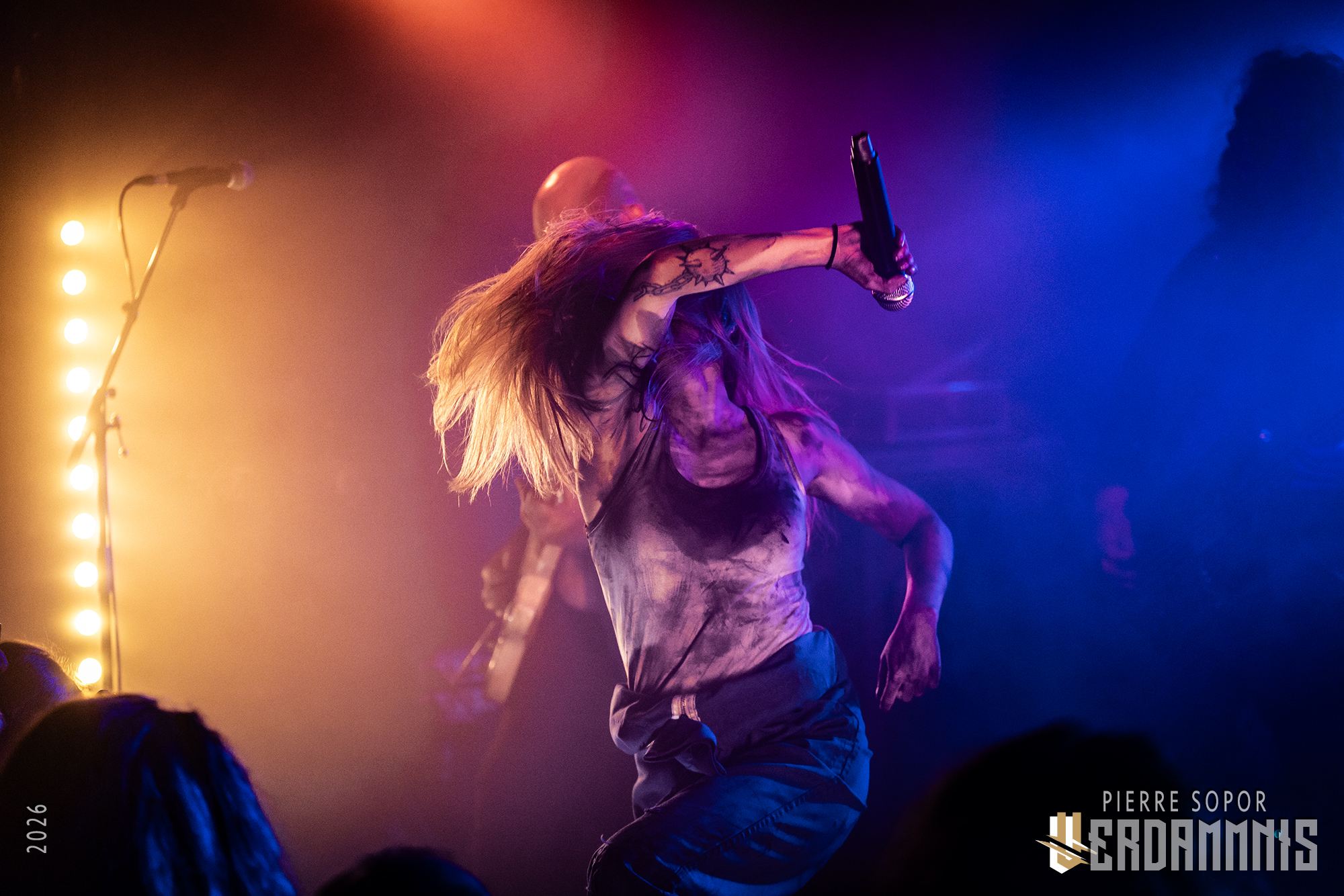
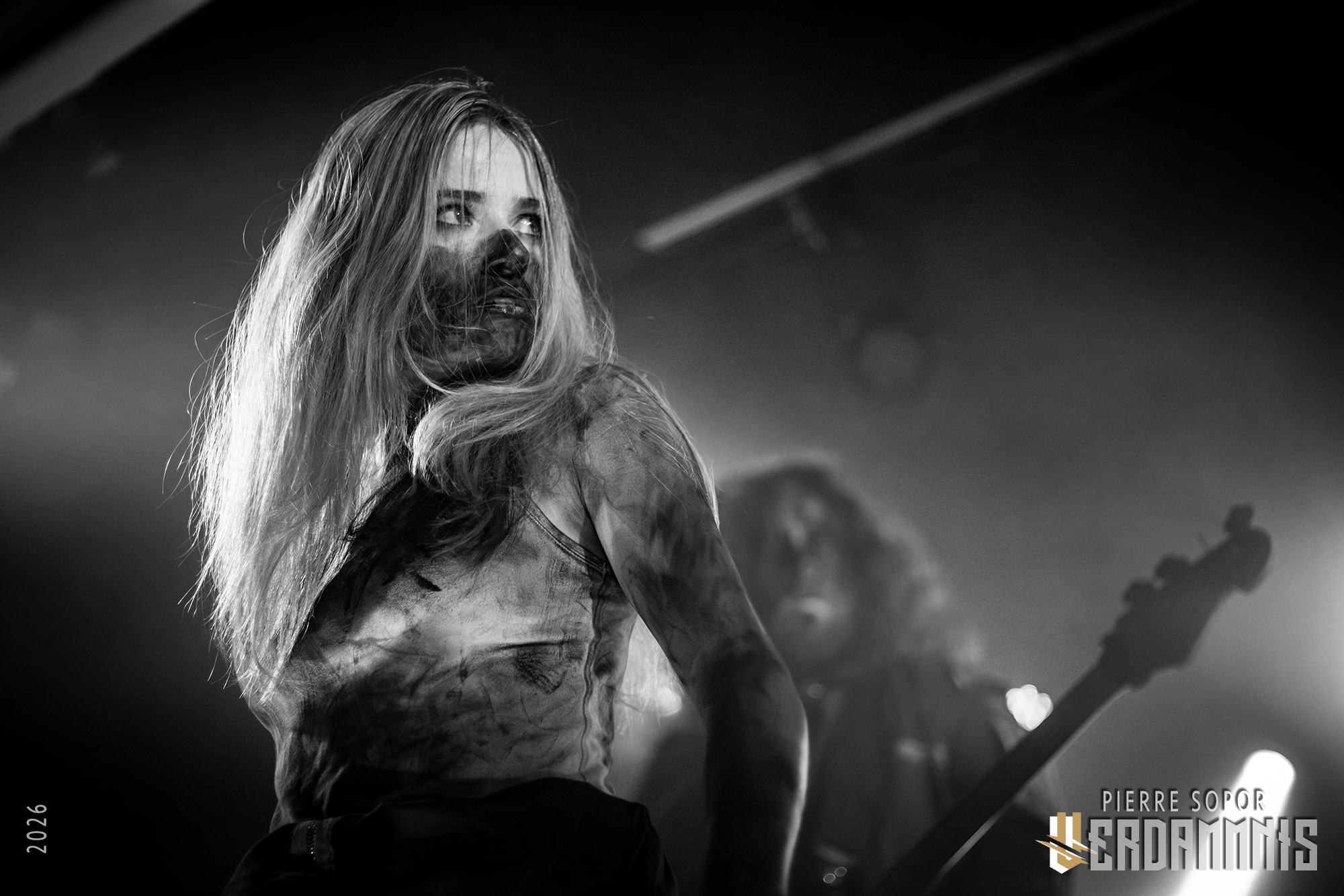
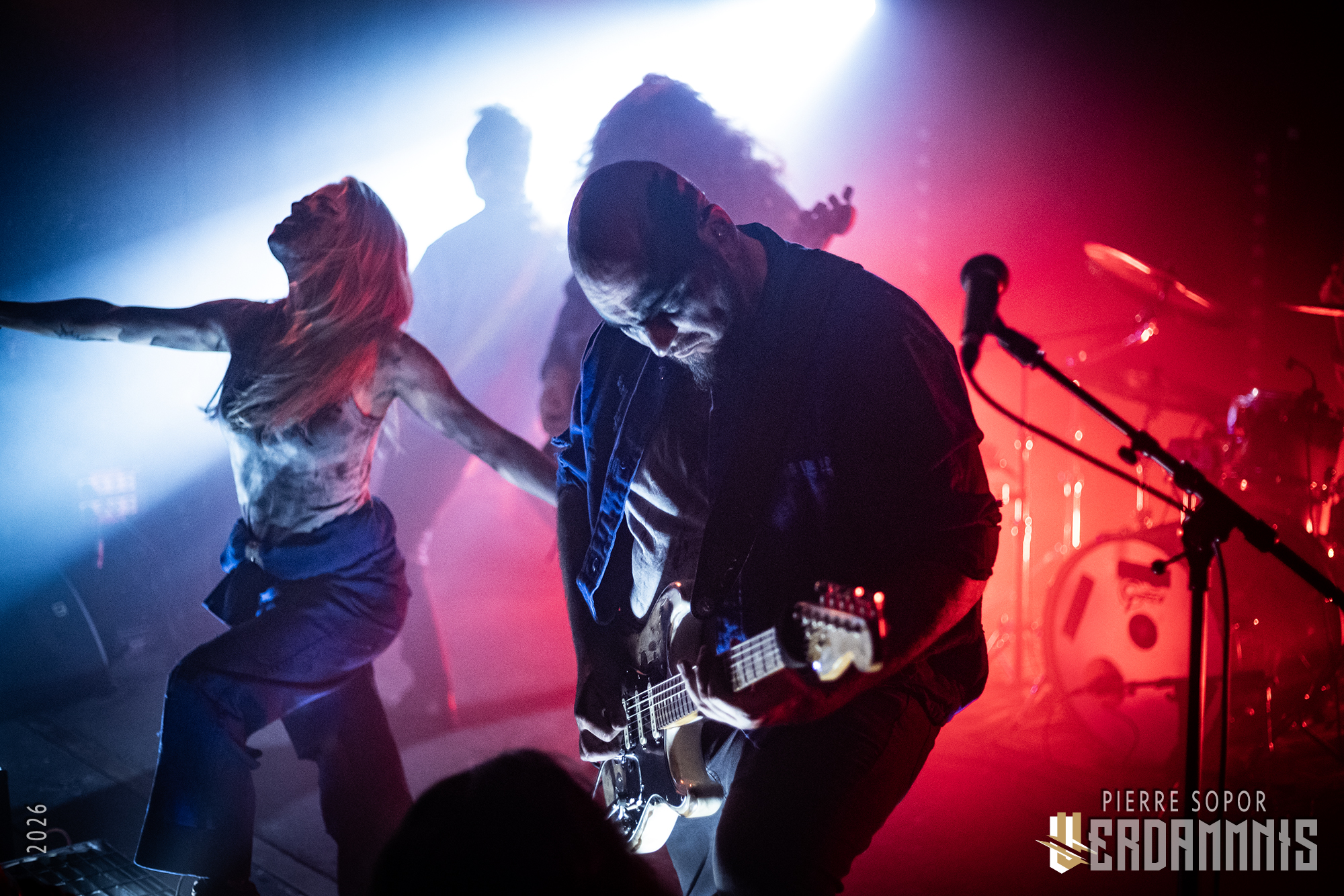
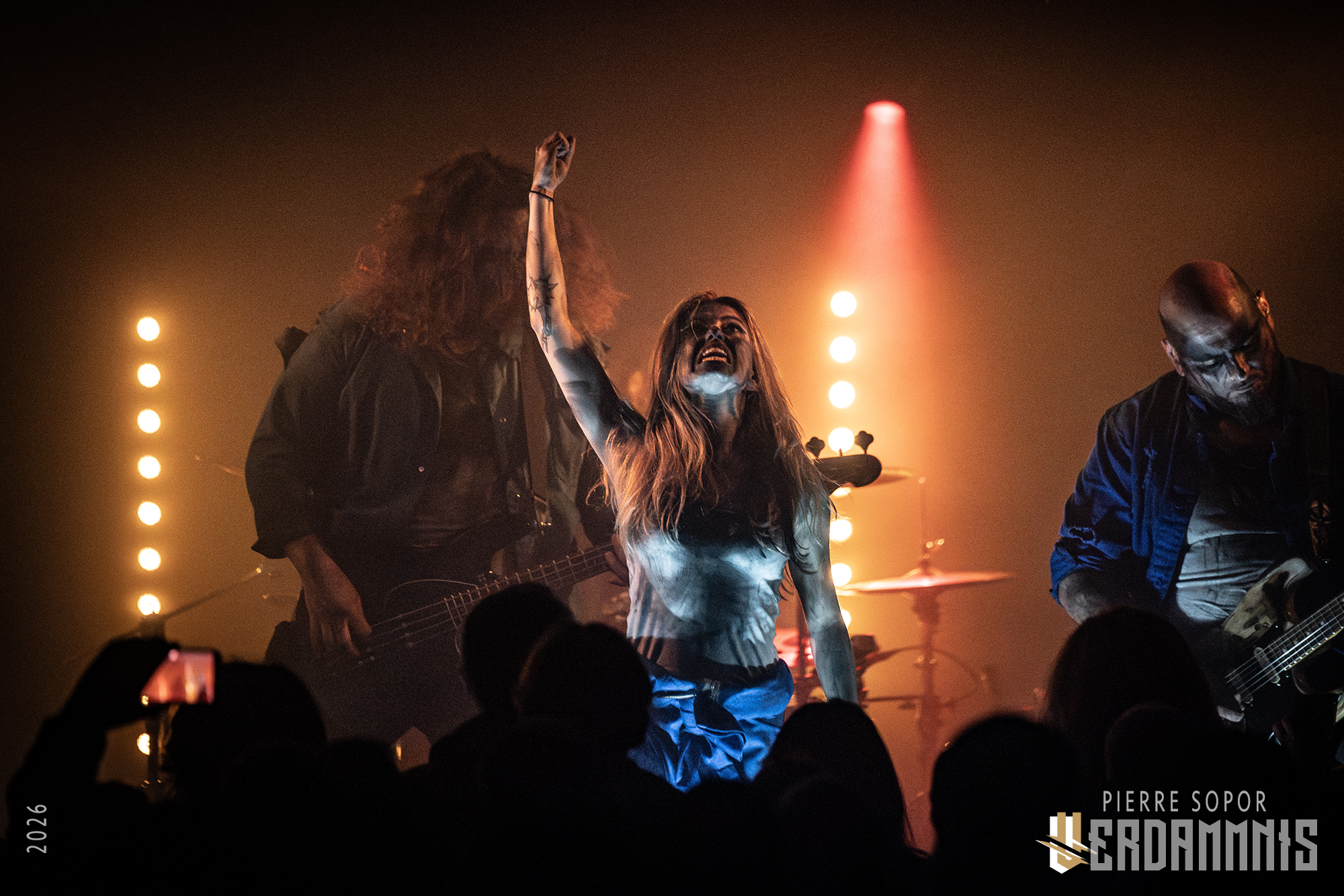
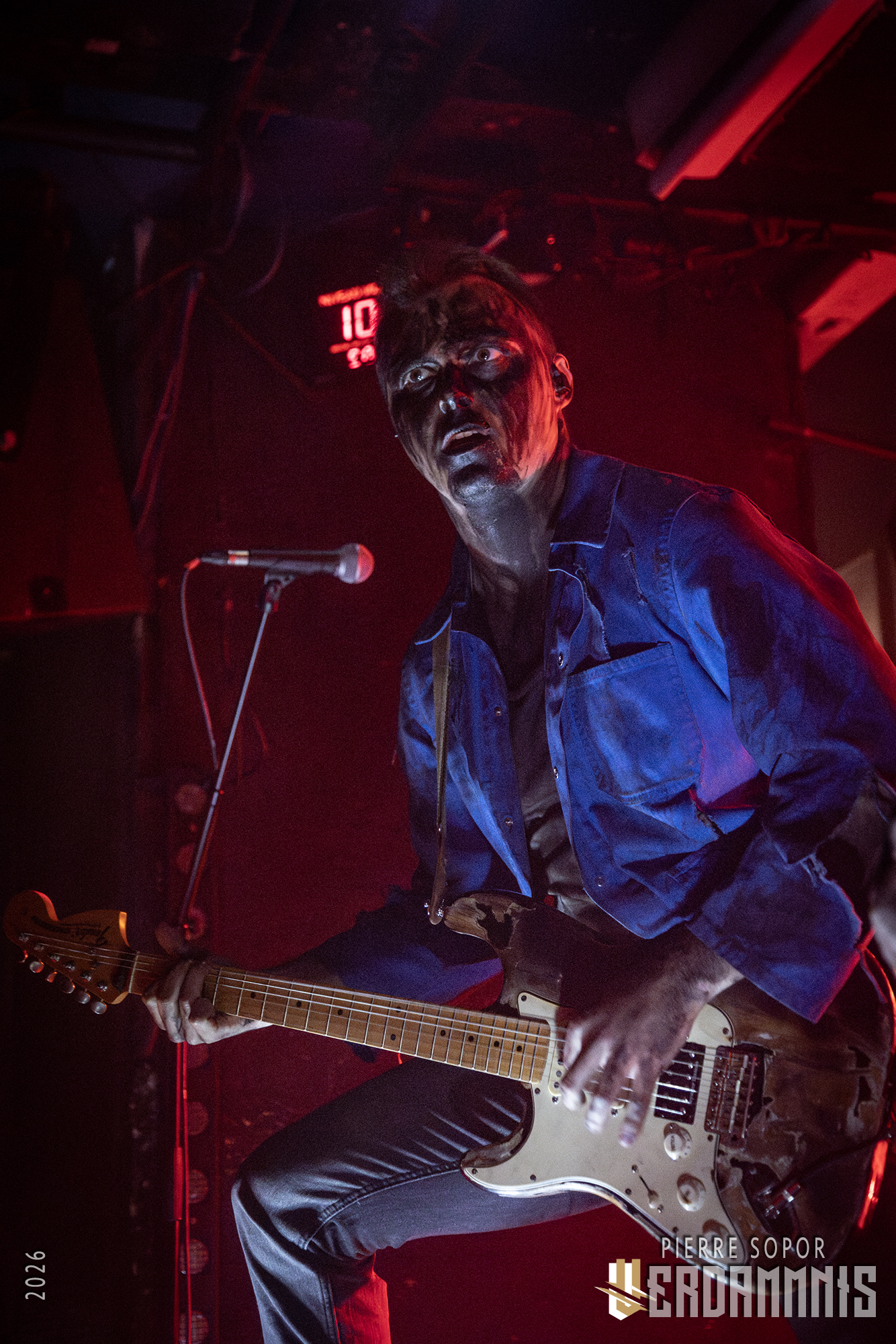
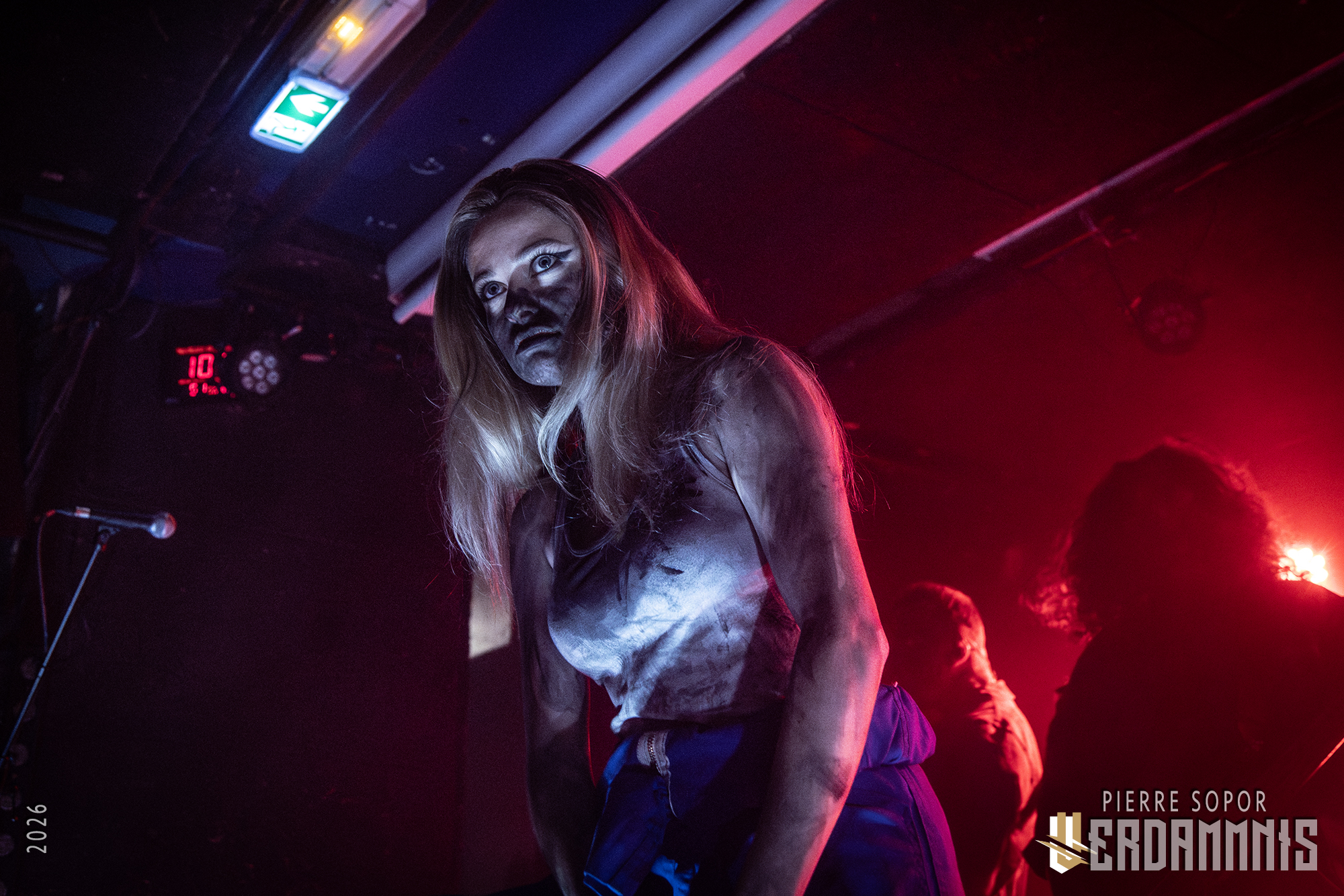
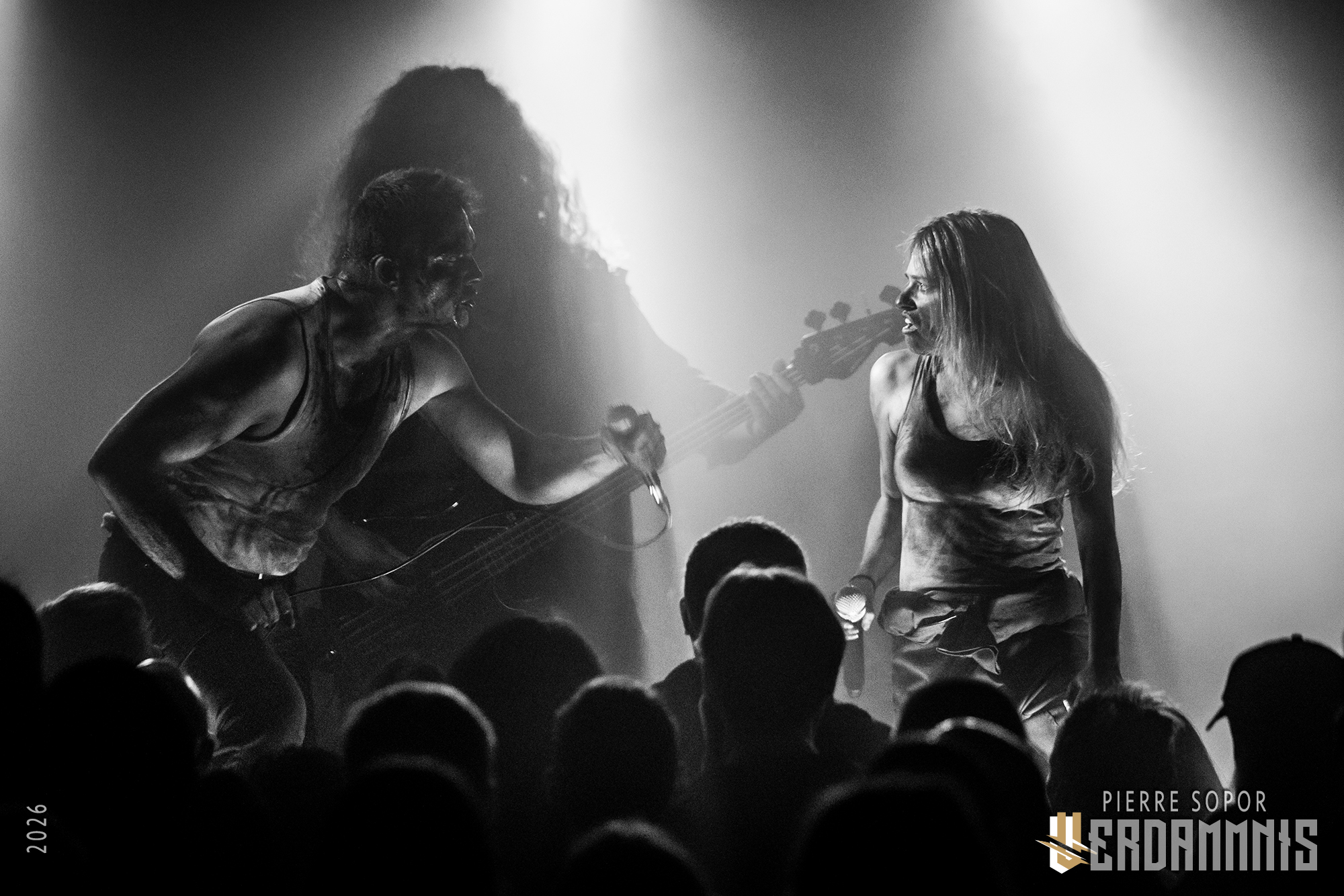
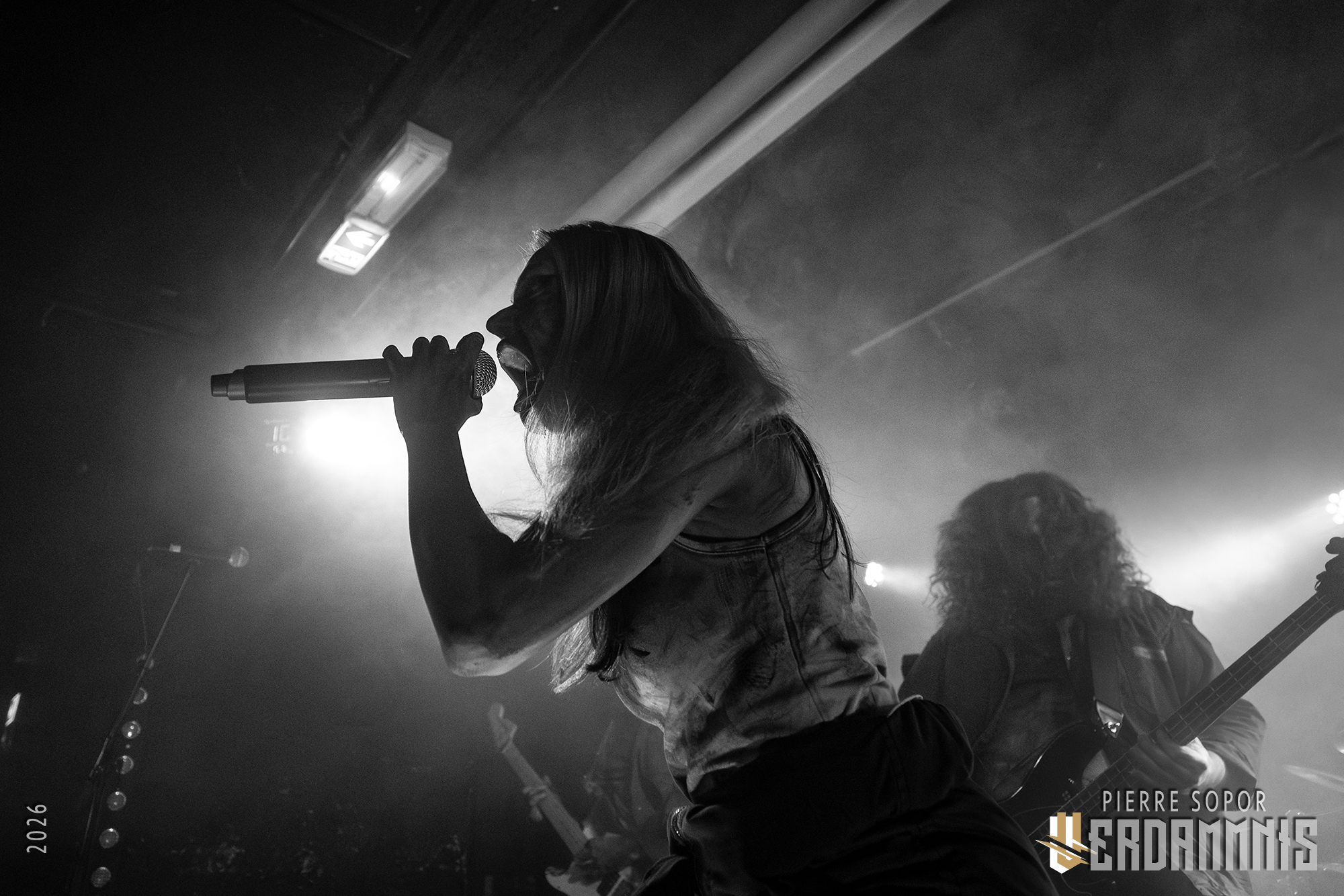
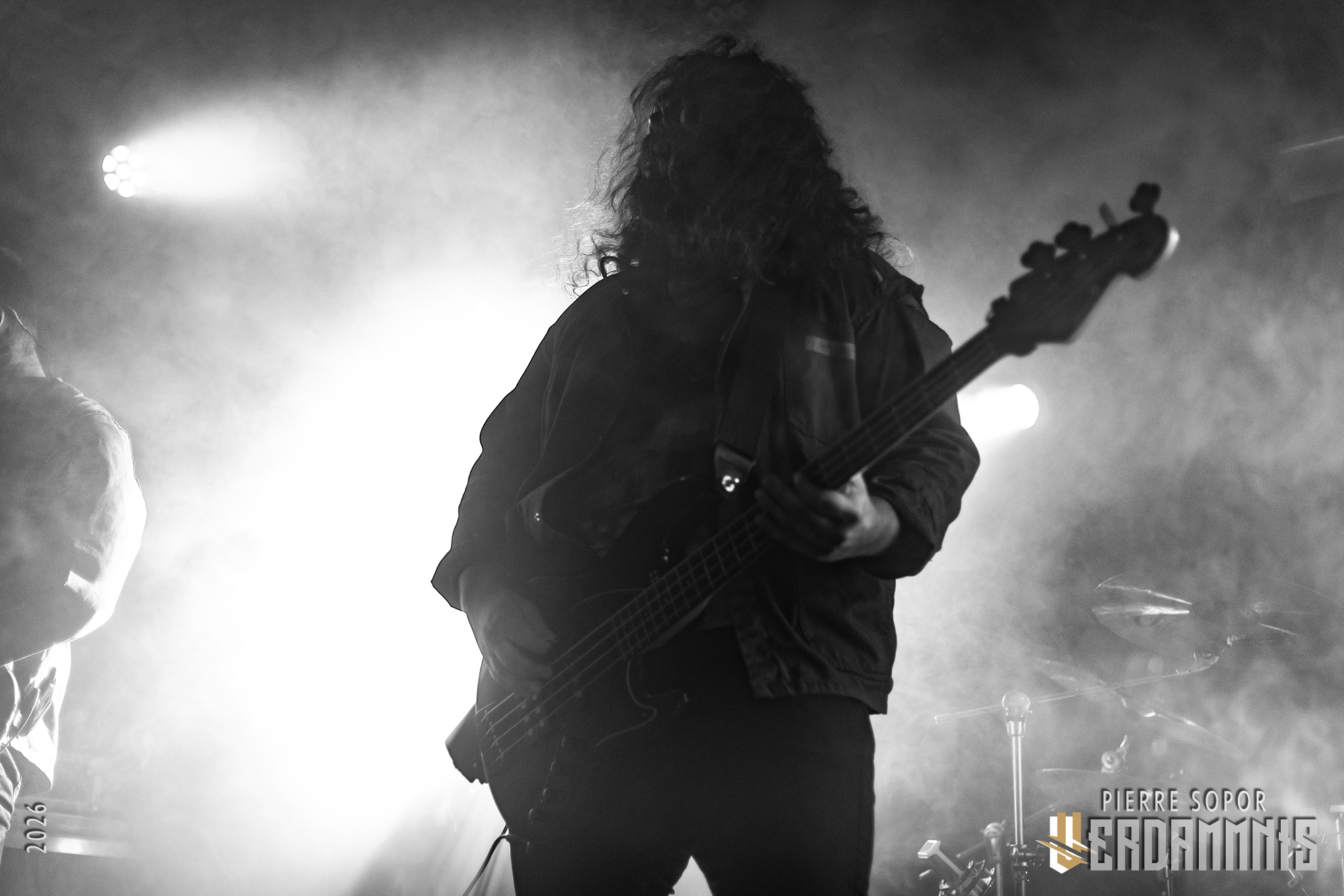
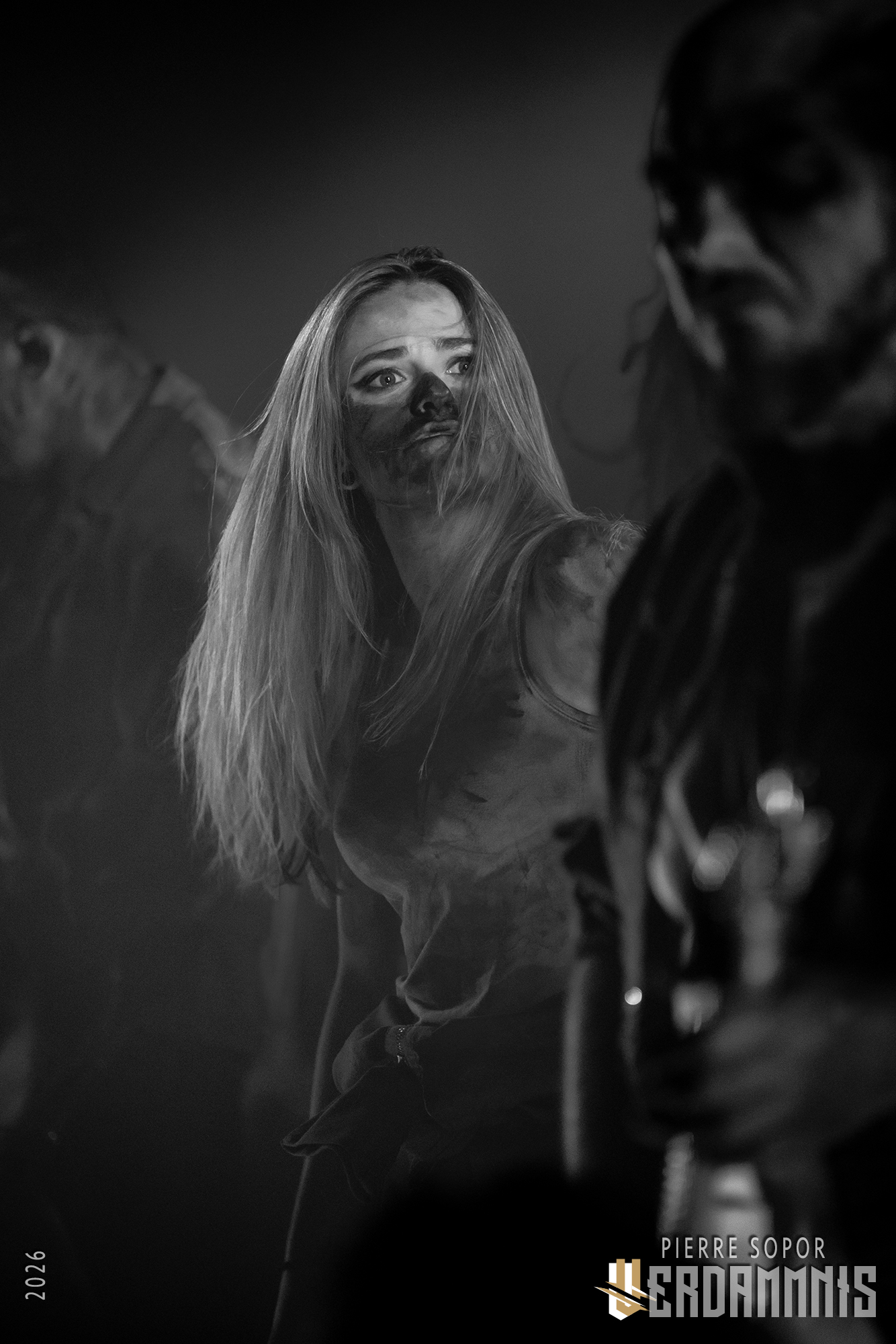
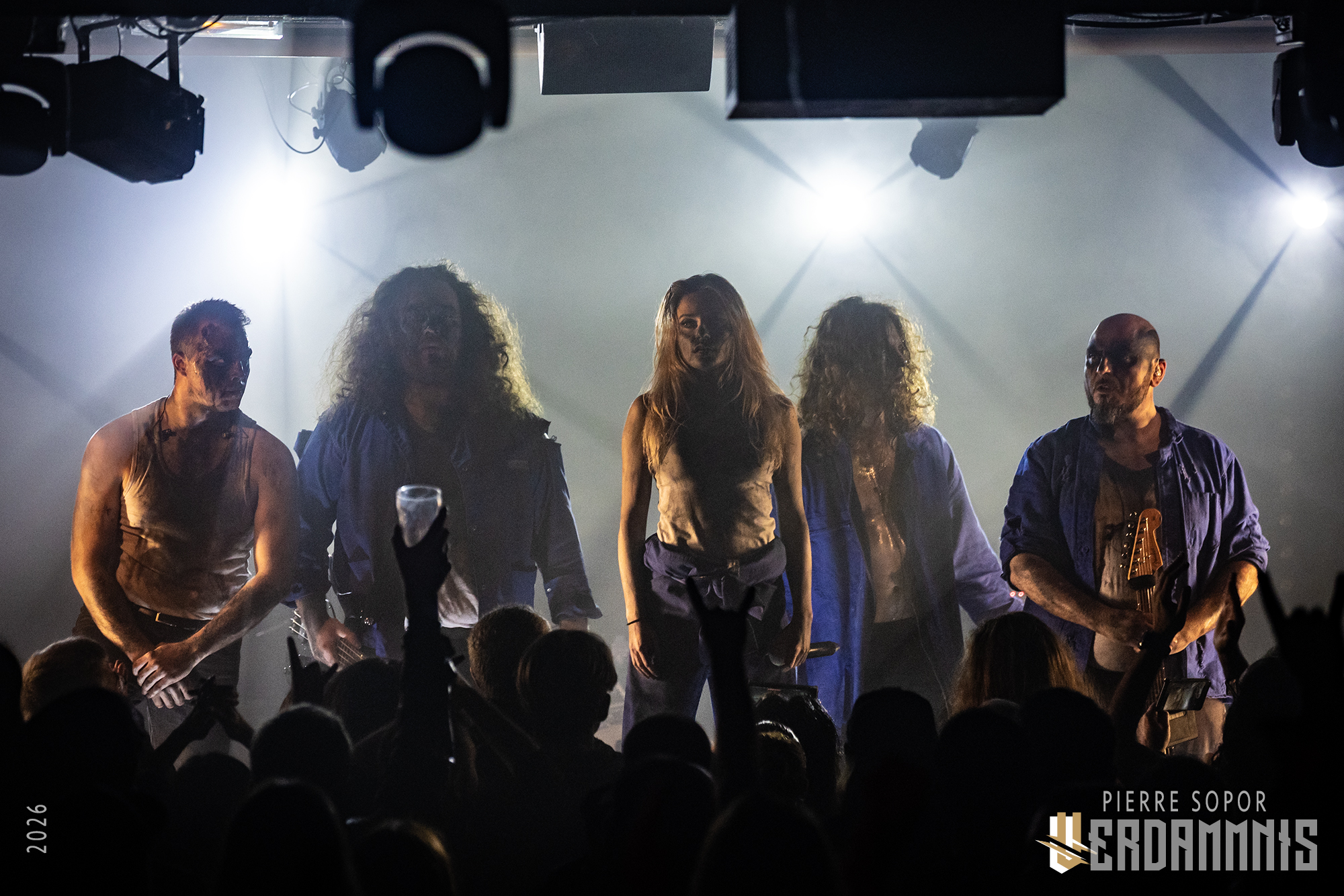
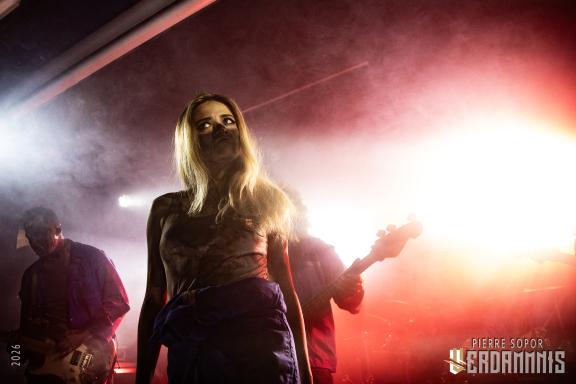
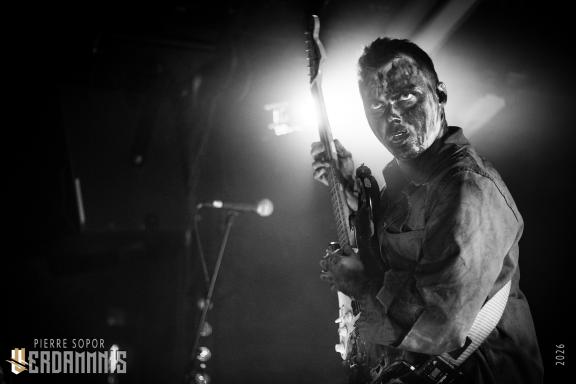
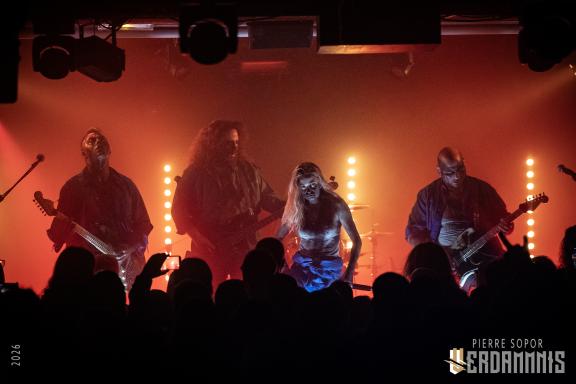
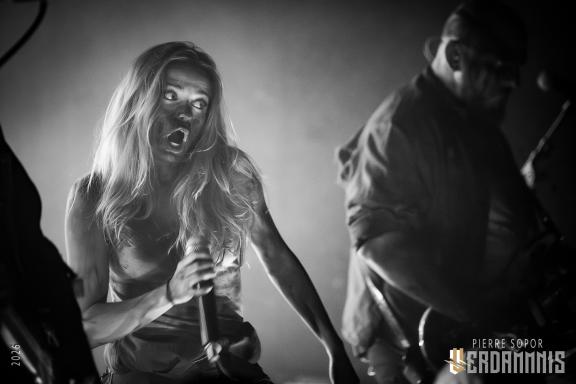
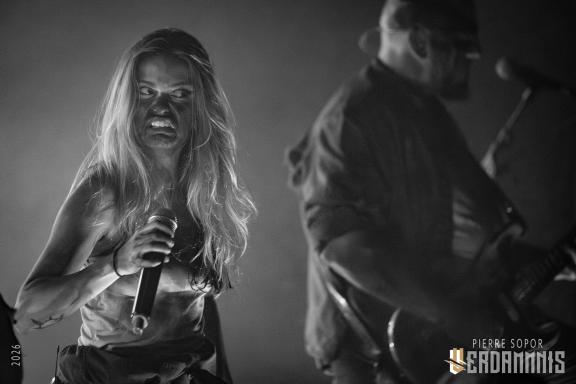
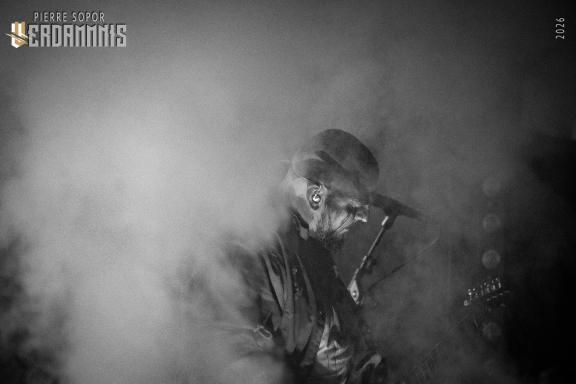
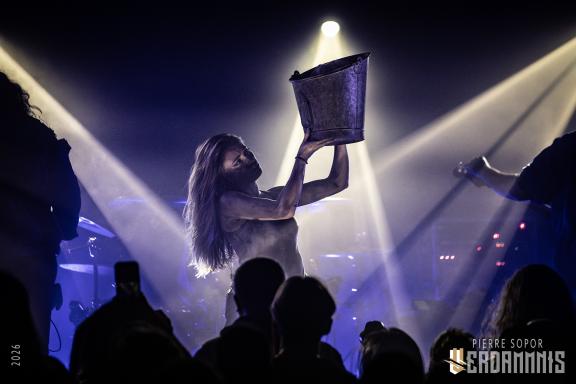
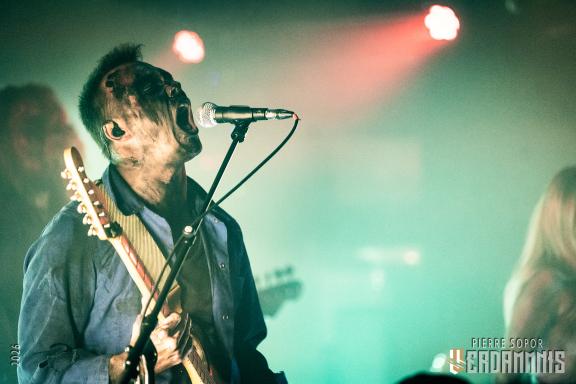
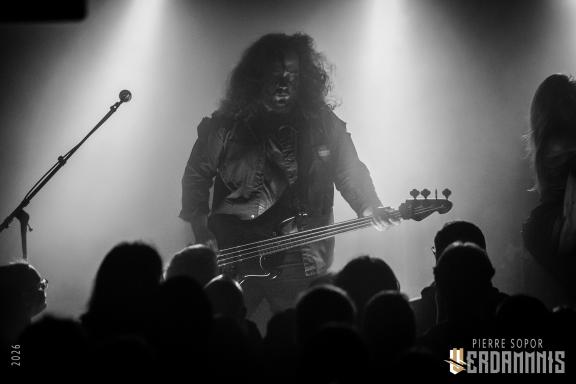
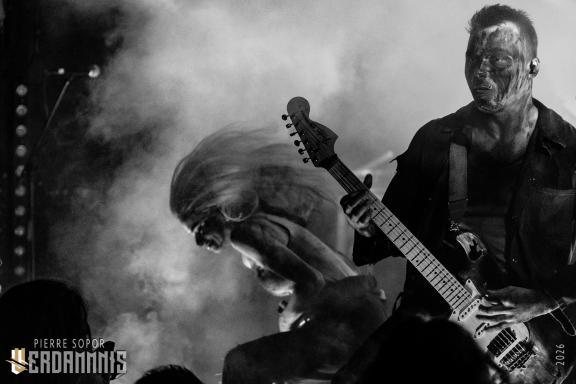
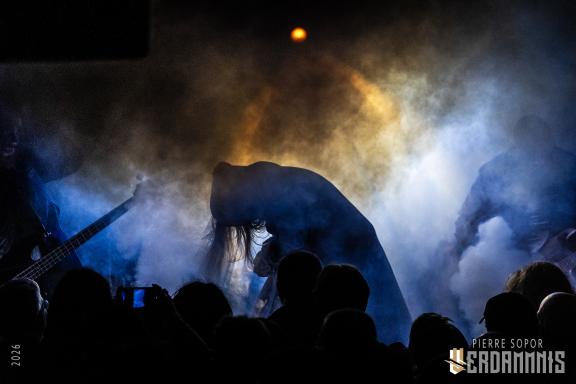
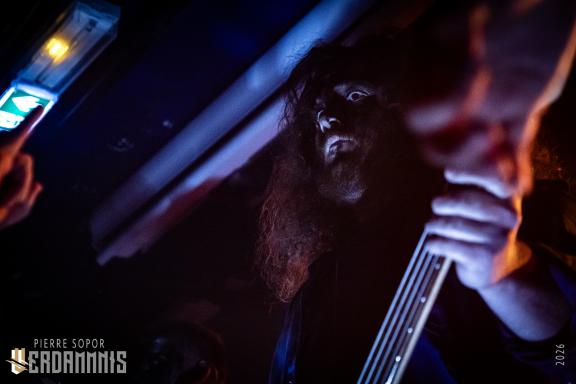
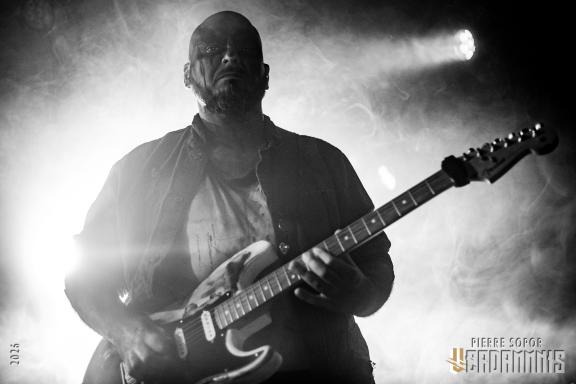
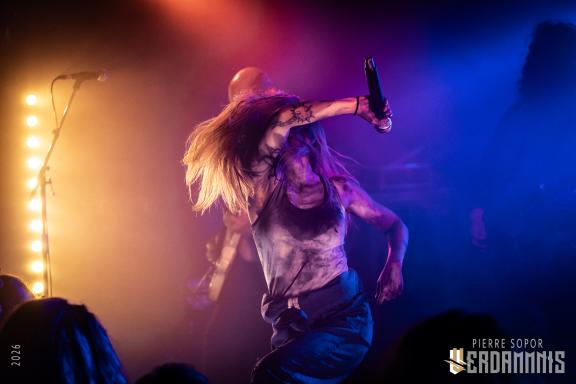
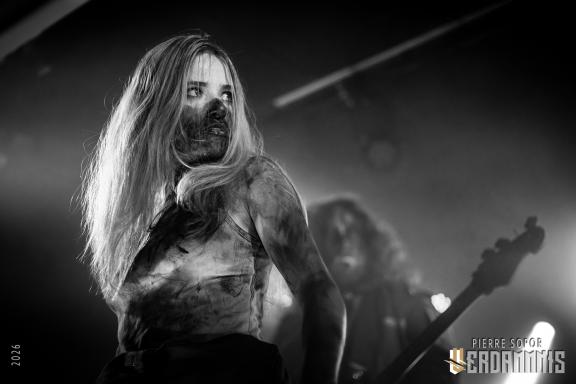
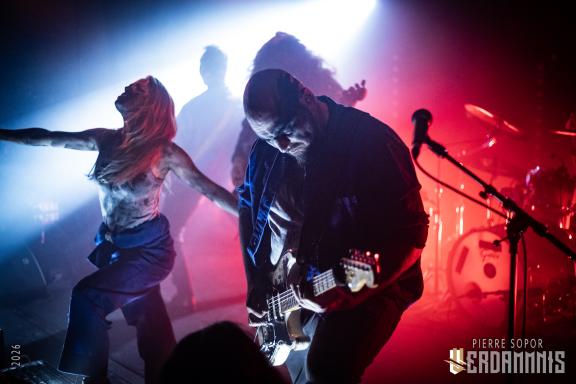
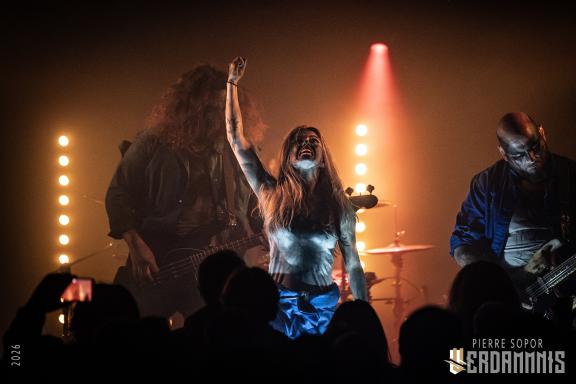
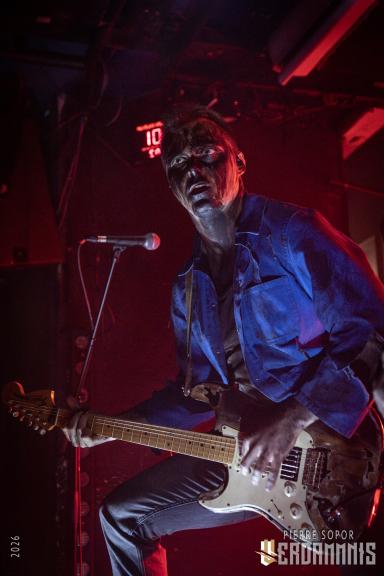
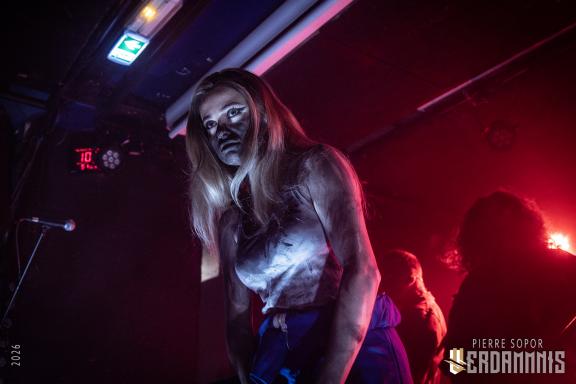
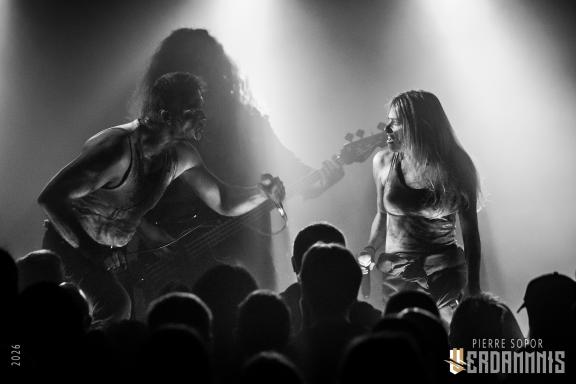
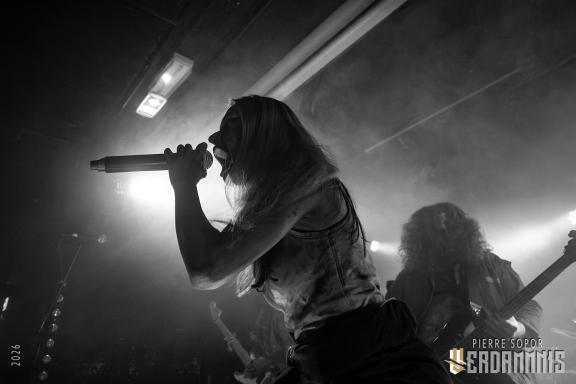
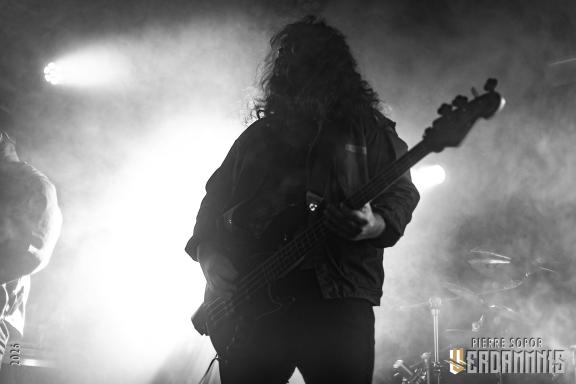
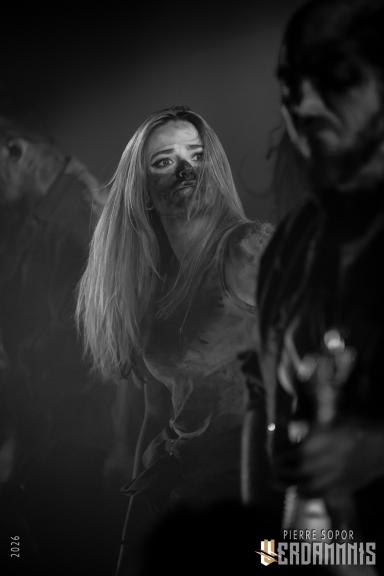
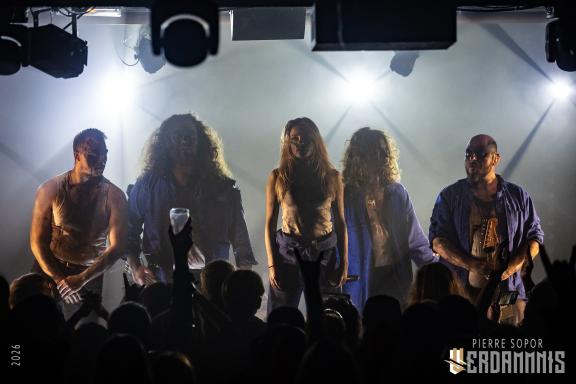
We already knew that Galibot had it all figured out musically; now we’re discovering they’ve got it down pat on stage too. Yet, although their experience in this field is relatively recent, everything is spot on. Their look echoes the mining and industrial world, evoking the atmosphere beneath a slag heap; their faces are smudged with coal dust and everyone is dressed in bleue like work overalls. The floor lighting brings out their expressions despite the darkness that envelops them... and above all, there’s their wild, infectious energy. Galibot run about, pull faces, roll their eyes, and brandish their guitars: it’s aggressive, triumphant, furious, visceral and wildly intense.
Far from being merely a gimmick or a pretext, the band’s visual and thematic world allows them to ground their music in a social commentary, a fusion of Bachelet’s Les Corons and Zola’s L’Assommoir. Galibot plunge us into their underground hell, that of the mines rather than the one that obsesses evangelists and Gaahl. There’s a touch of theatre to it, with that outfit taken from a metal bucket and even a touch of poetry in Agathe's danses during Baptise Terre and Pénitent.
As if to better convey the relentless, oppressive nature of their industrial world, where men are crushed by grey machines, Galibot’s music emphasises the rhythms: it pounds away mercilessly (try resisting Schlamms!), yet still allows a few melodies to peek through. In short, it’s a feast for the eyes and ears, and you come away convinced that you’ve just witnessed what will, in the very near future, be one of the leading acts on the French black metal scene.
MEPHORASH
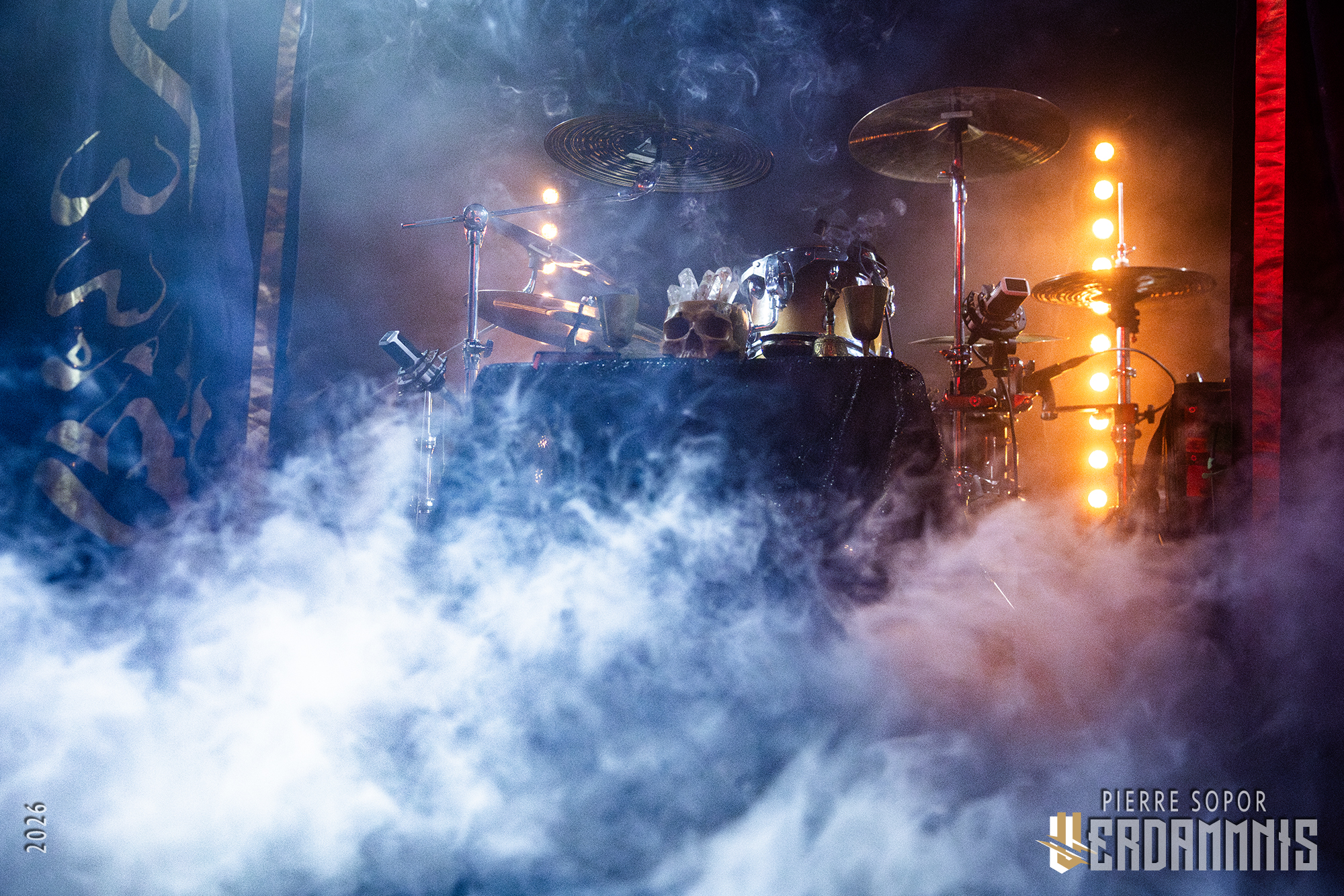
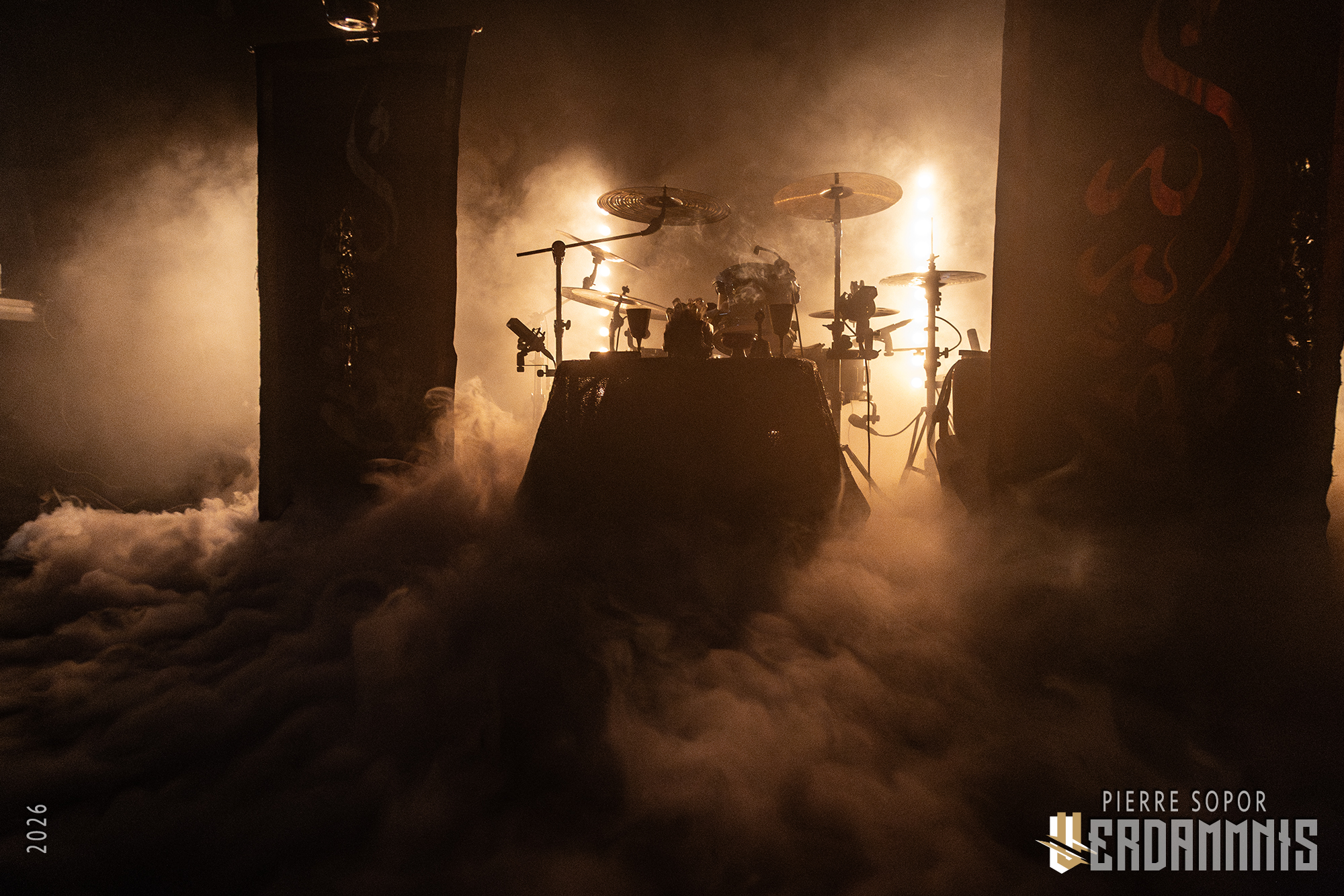
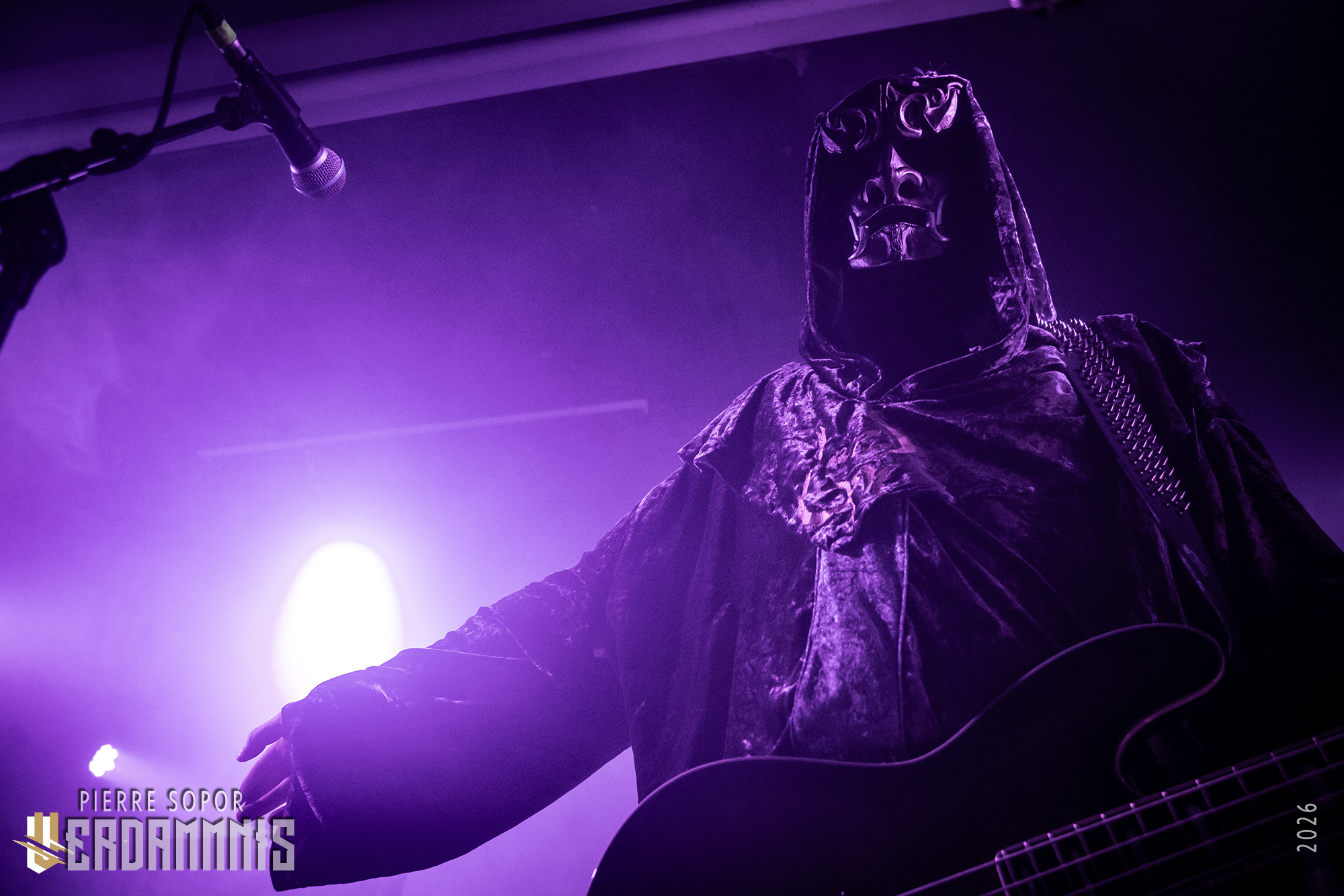
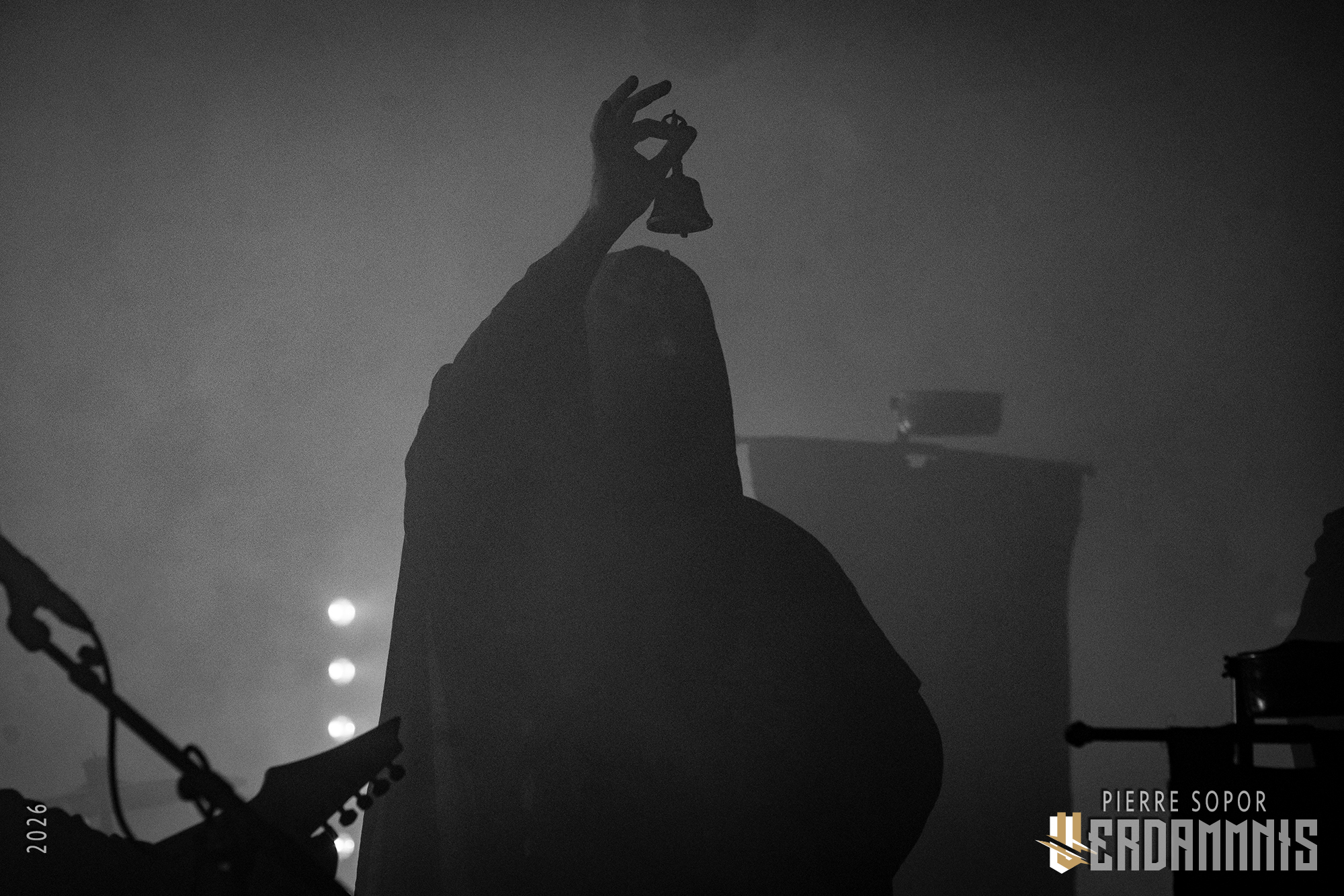
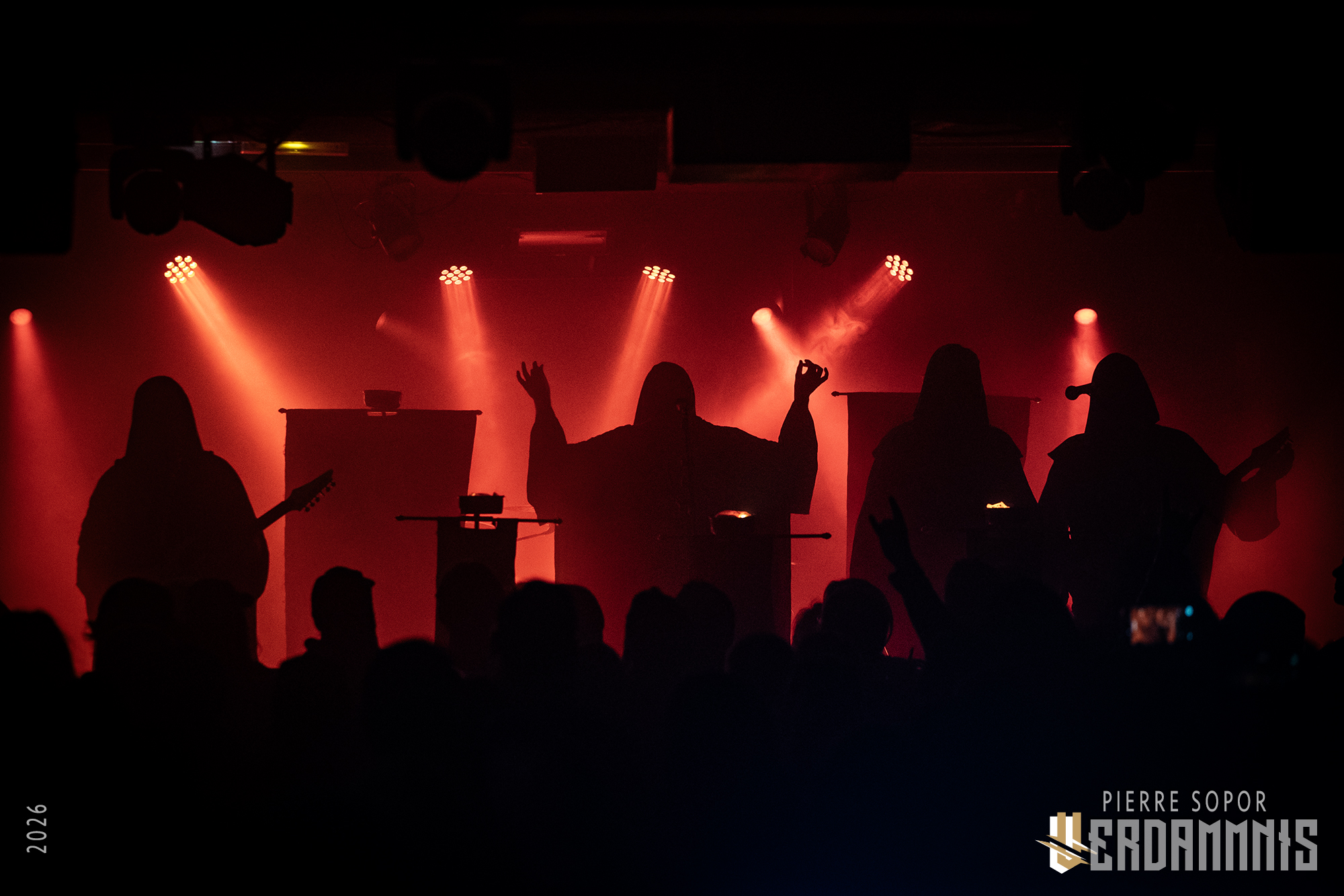
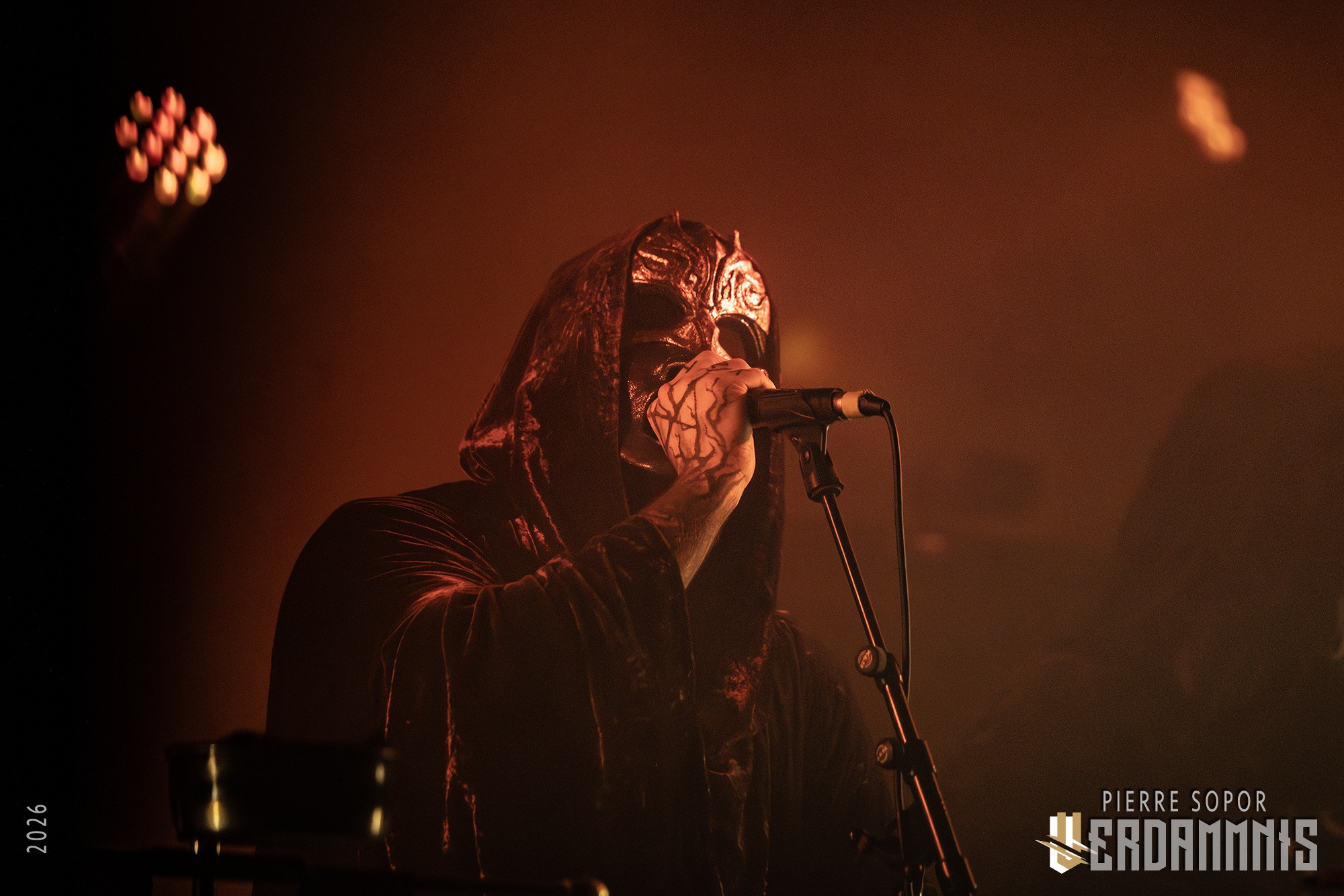
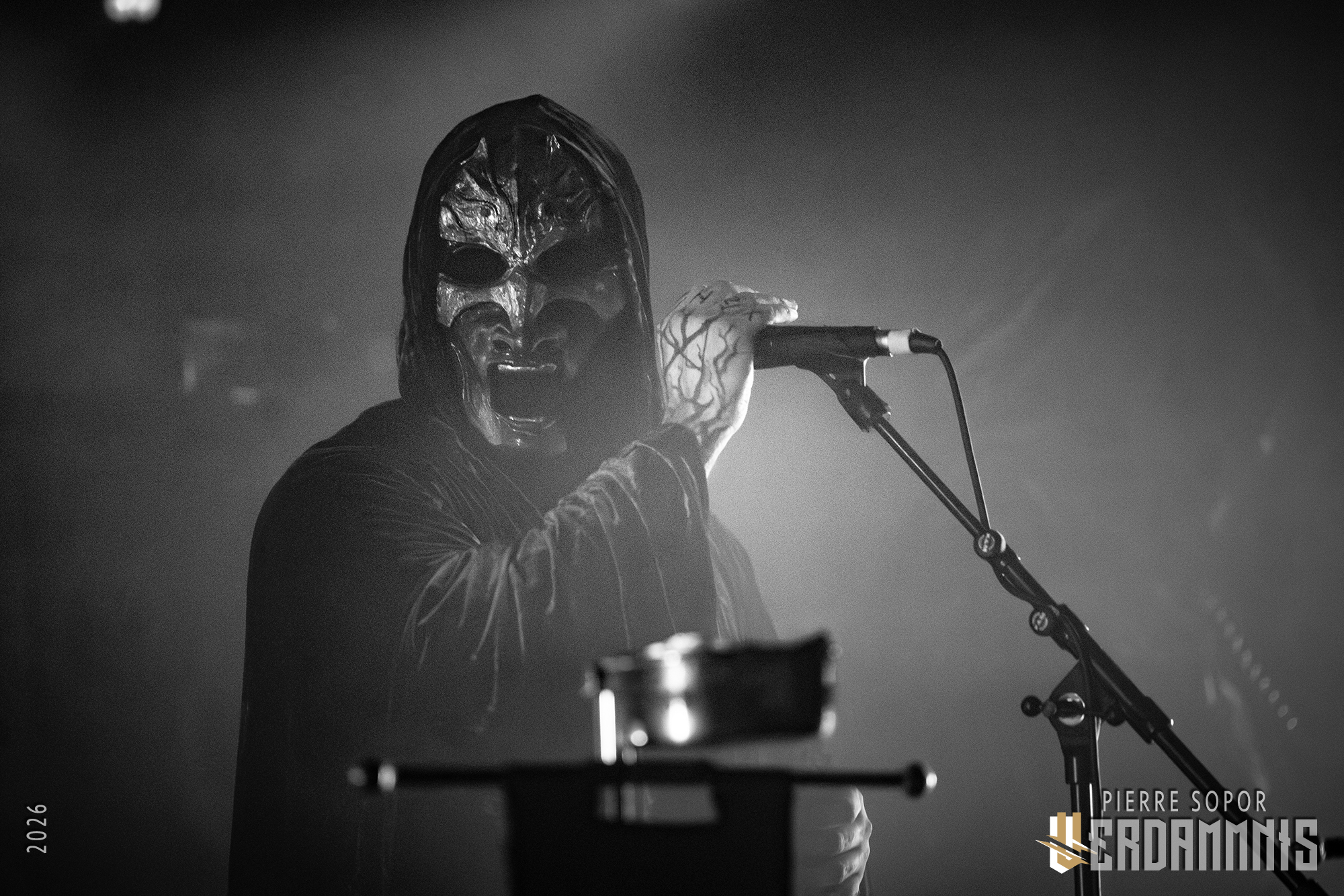
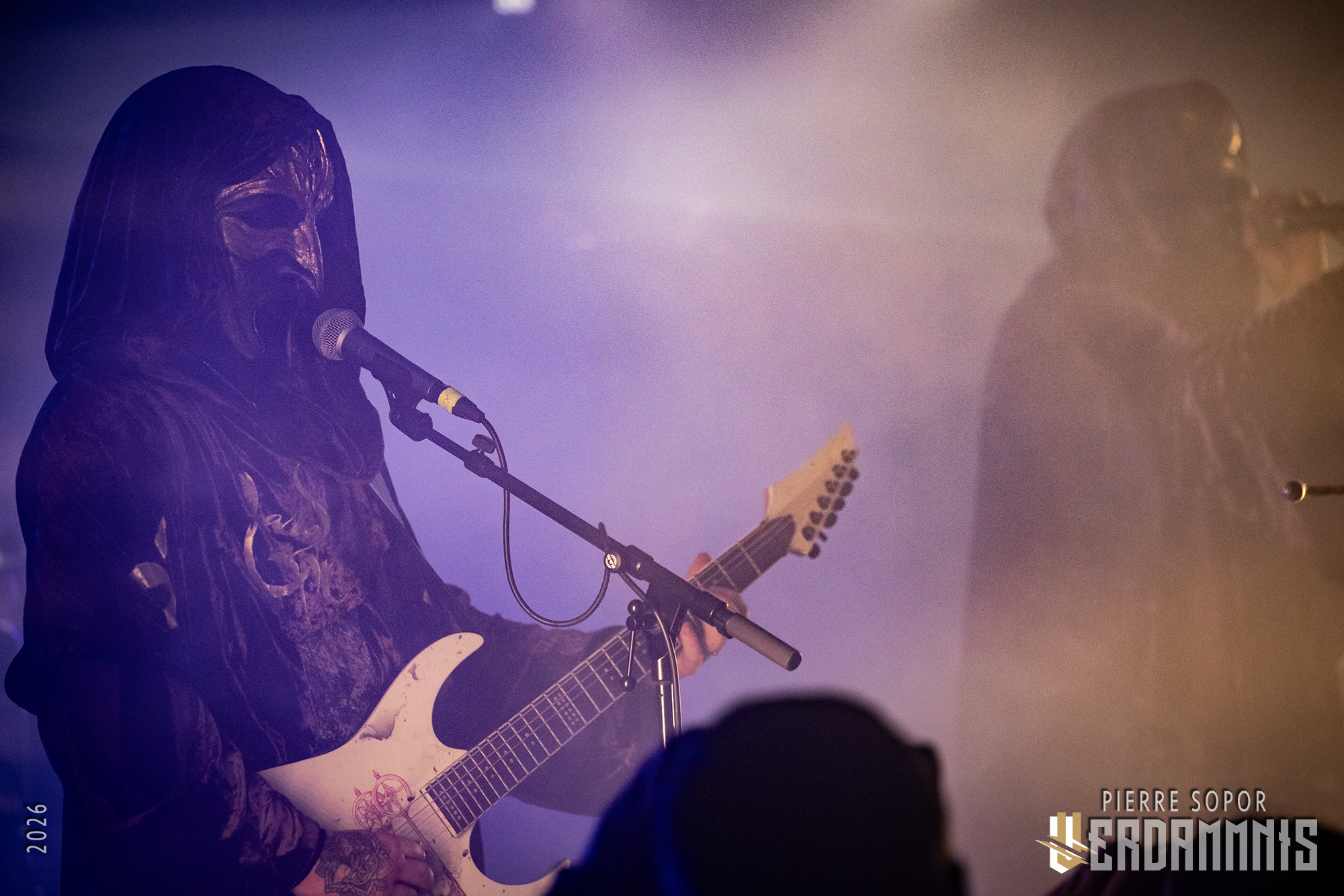
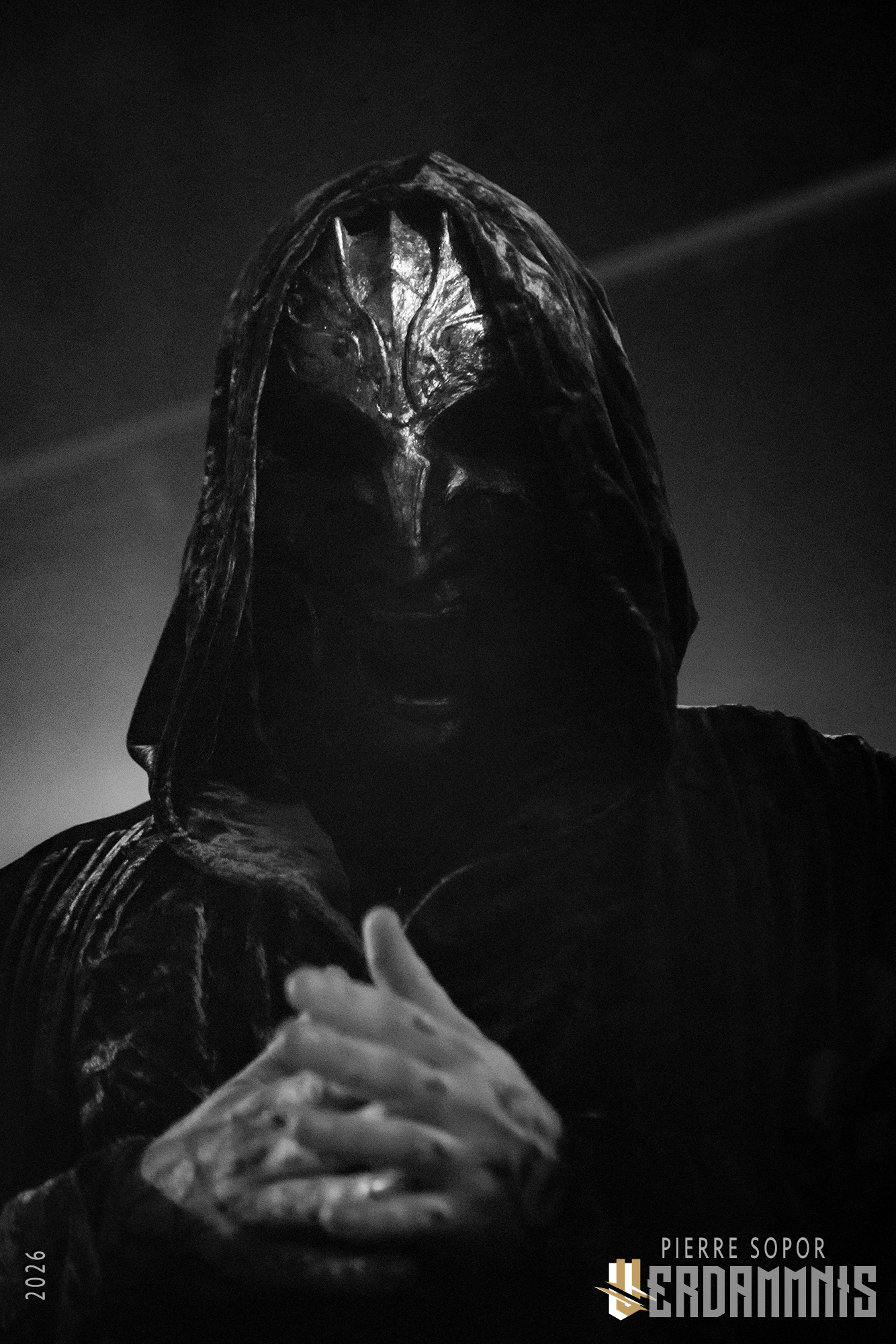
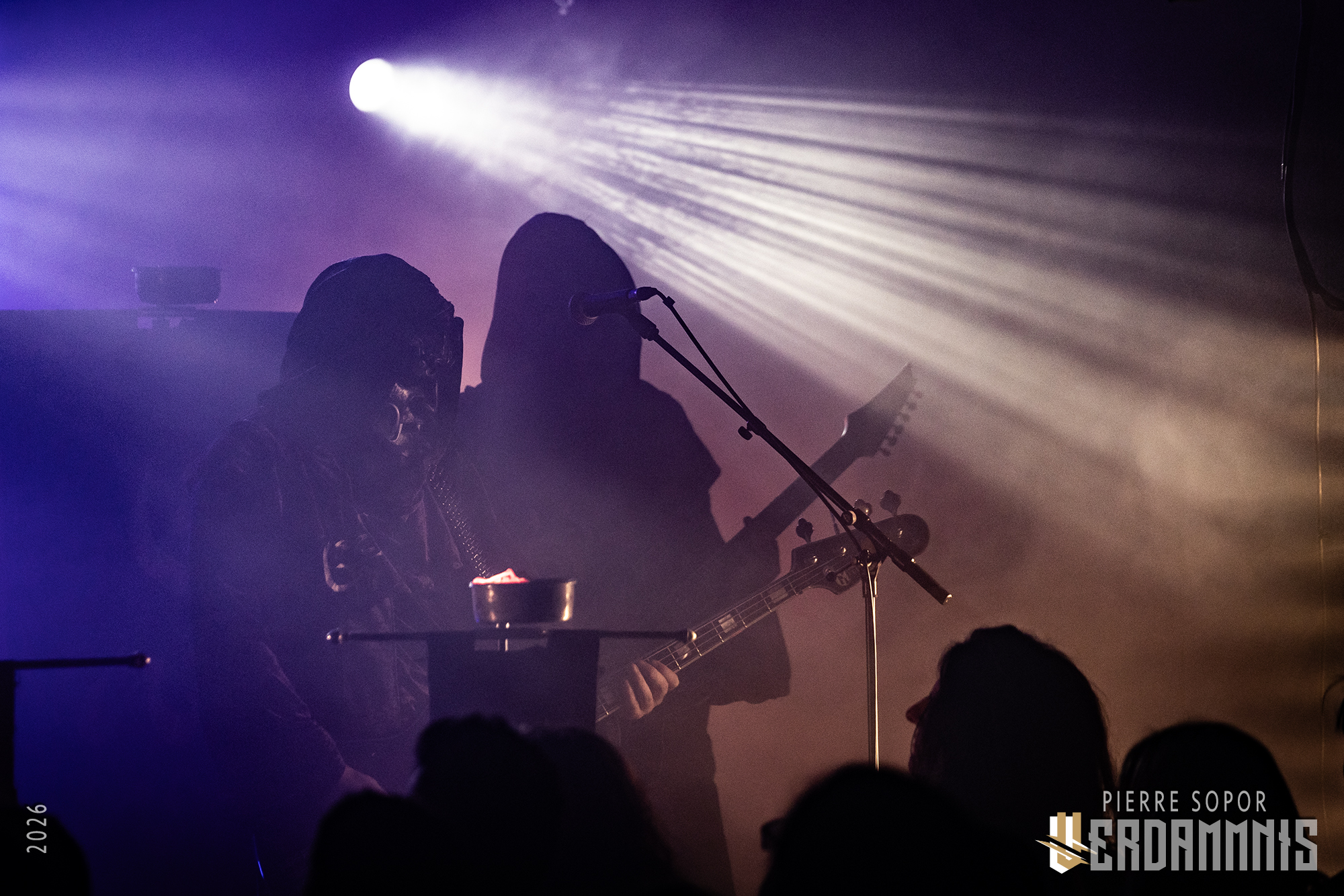
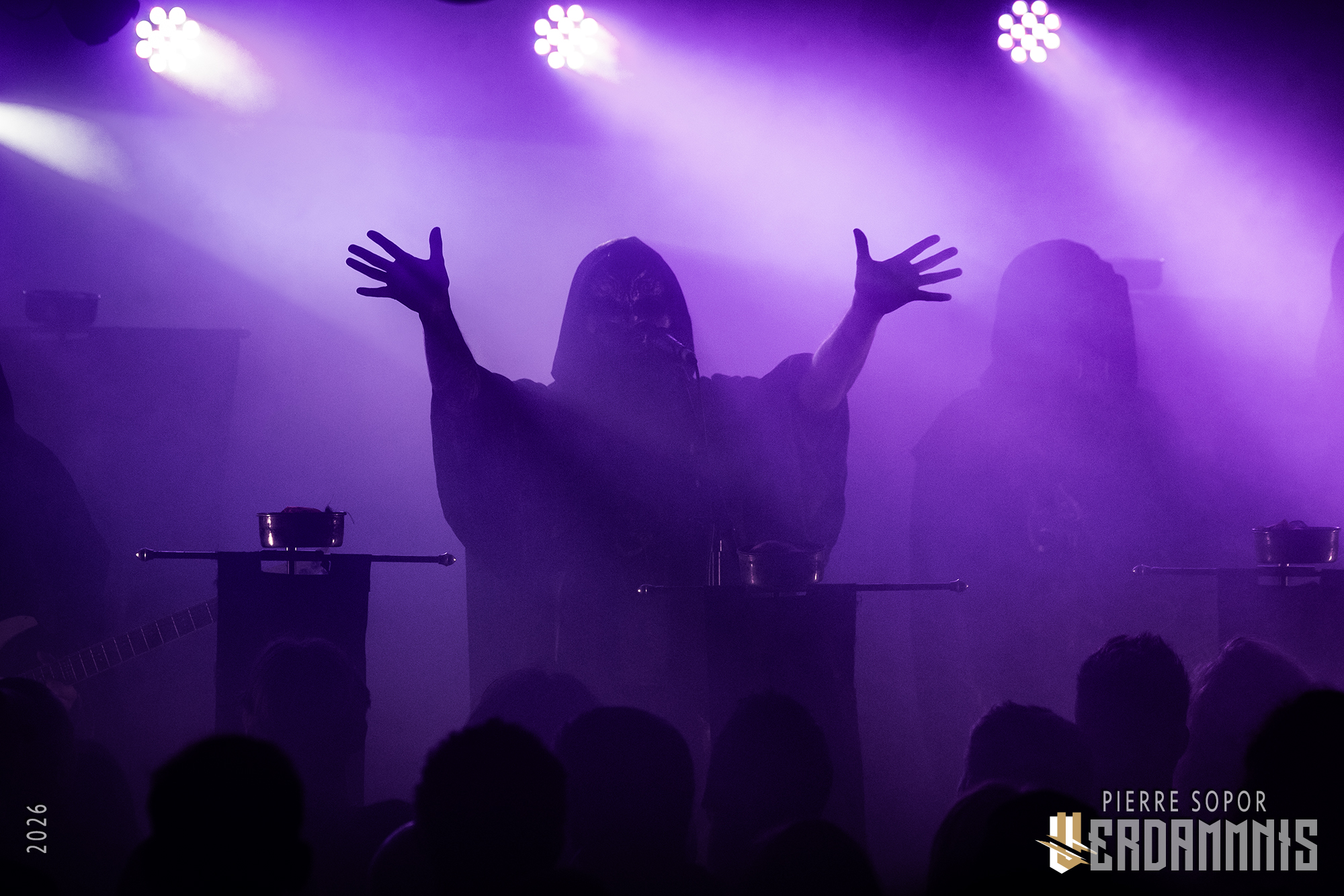
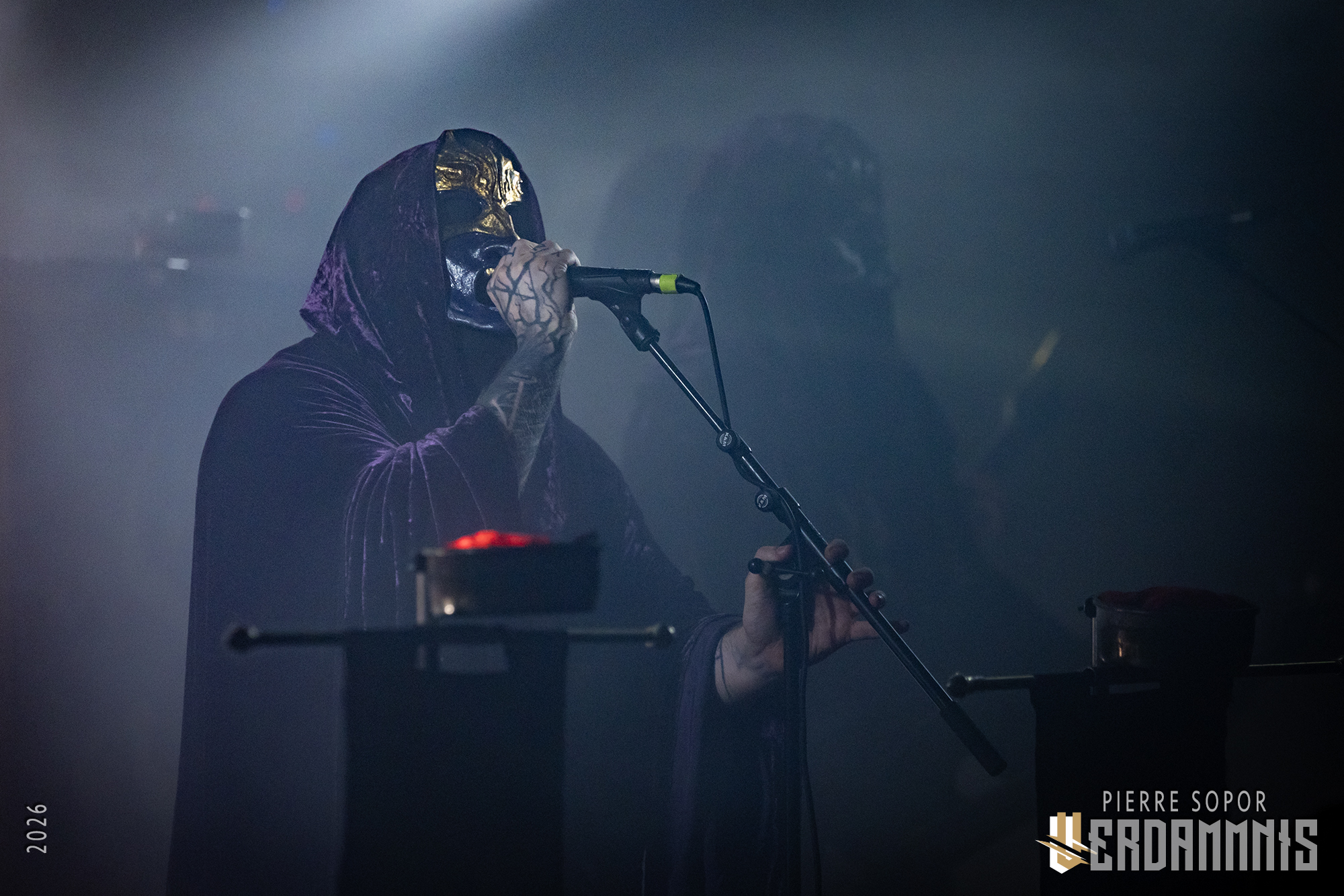
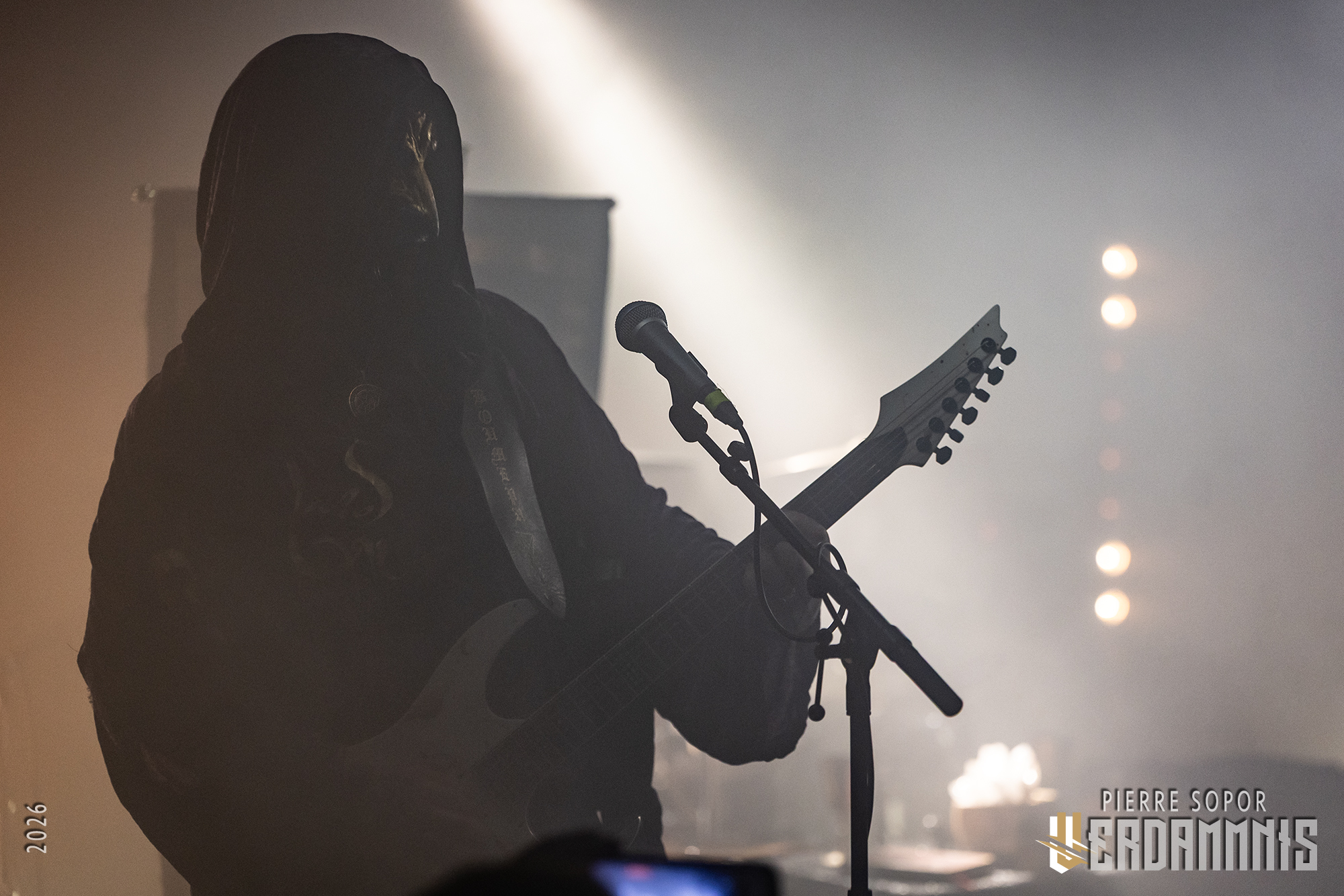
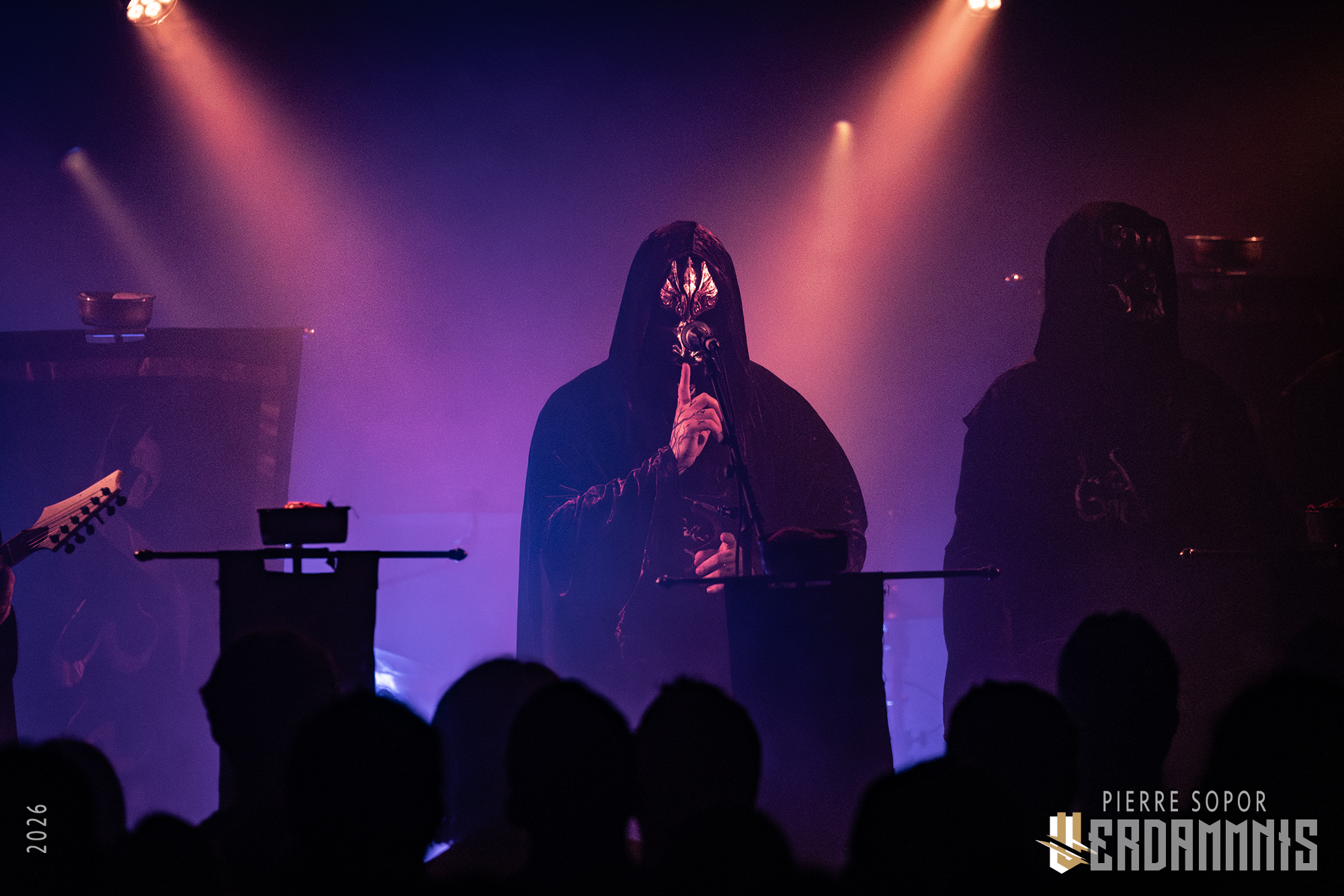
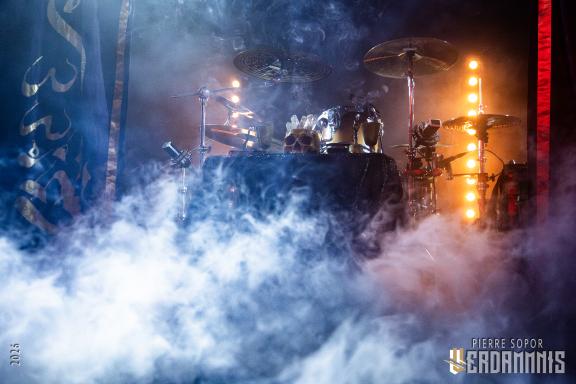
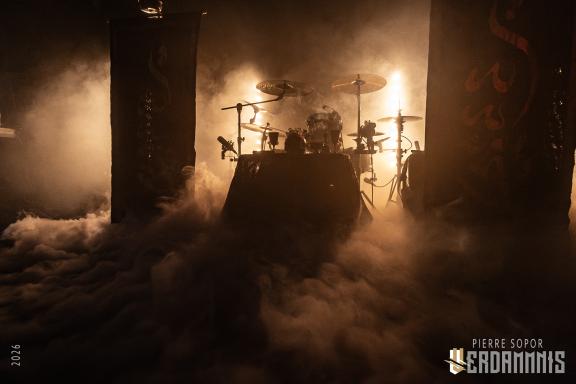
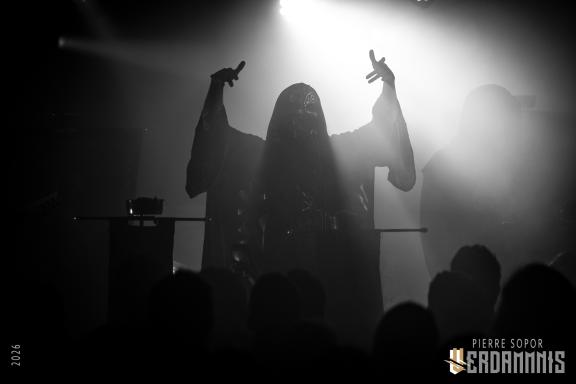
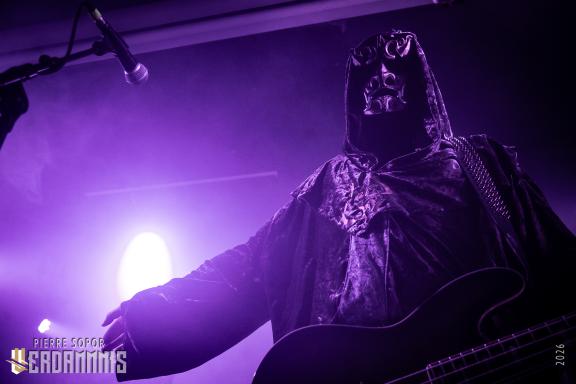
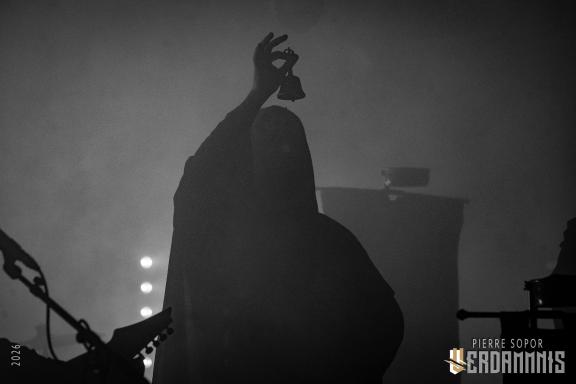
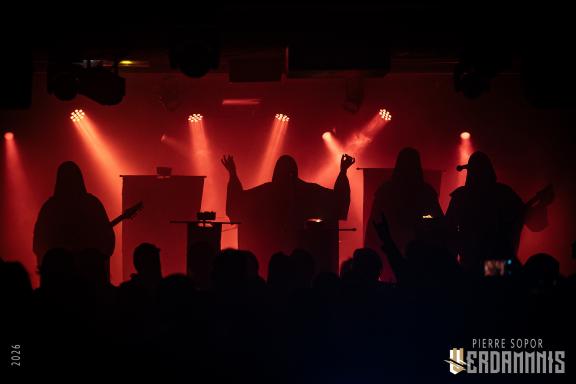
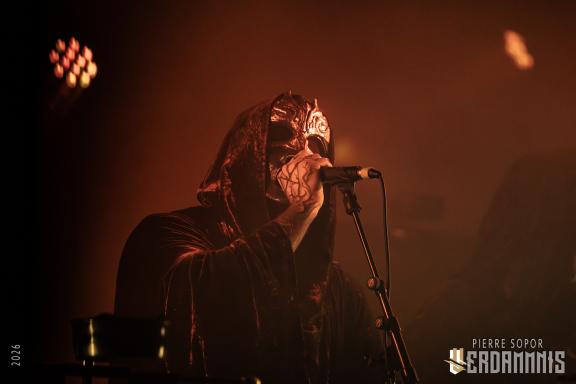
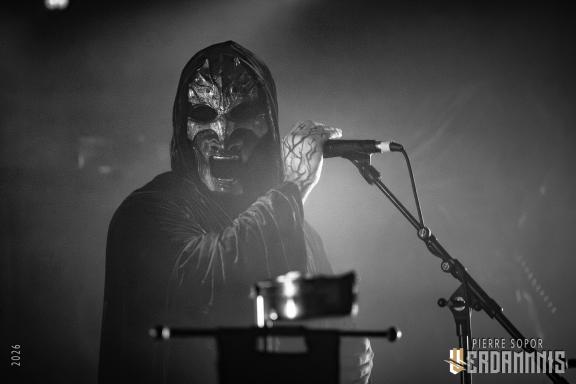
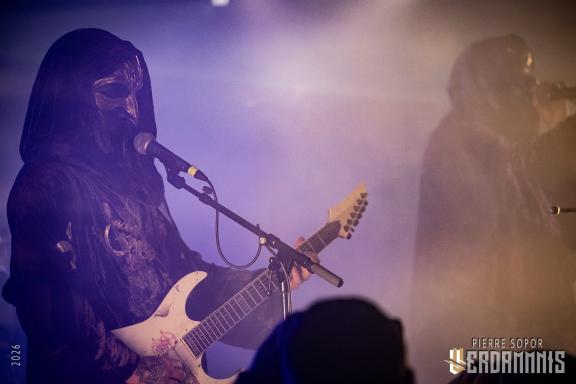
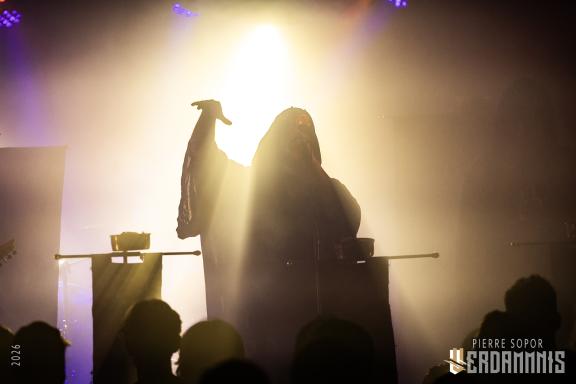
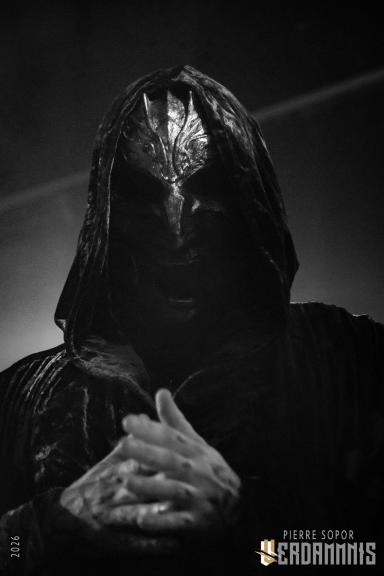
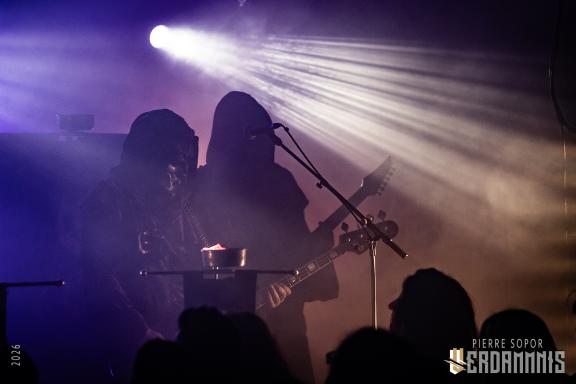
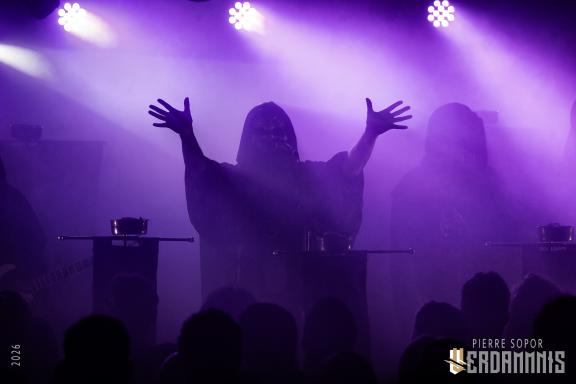
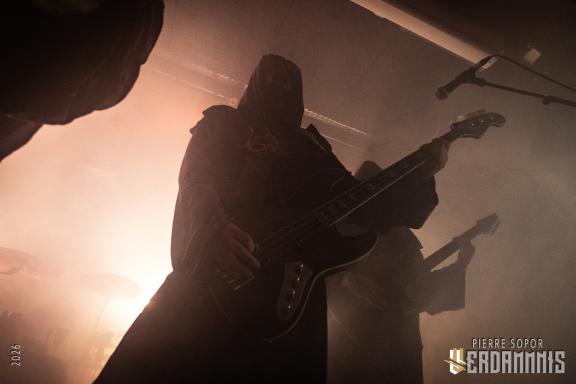
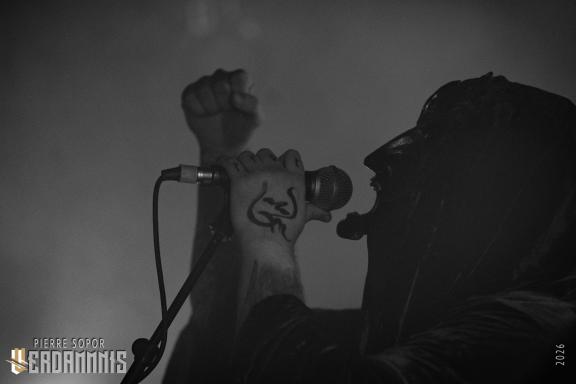
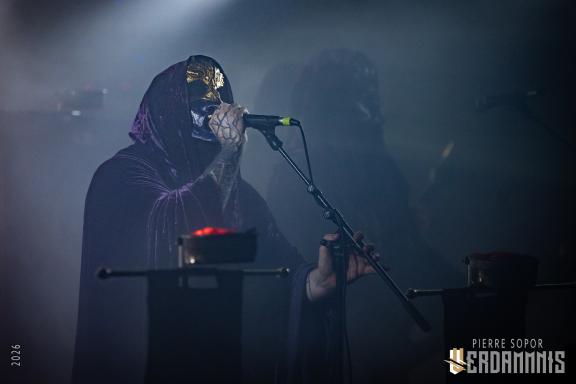
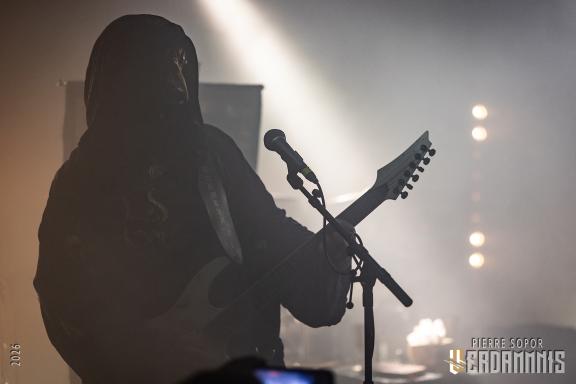
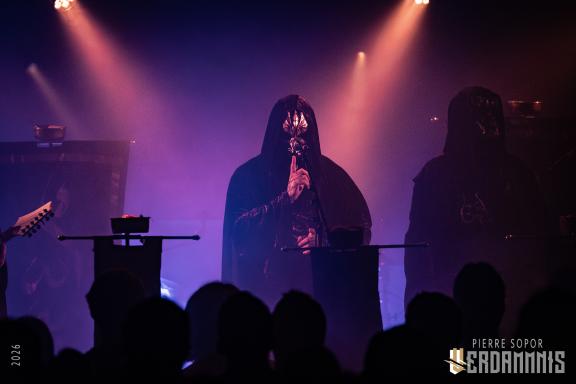
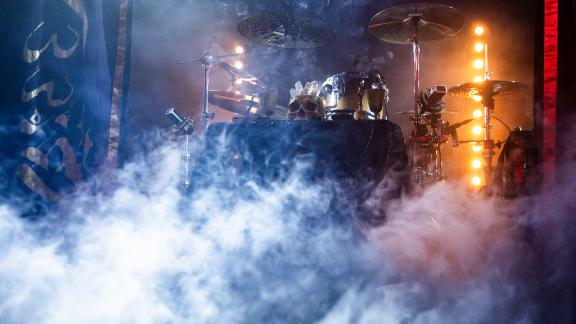
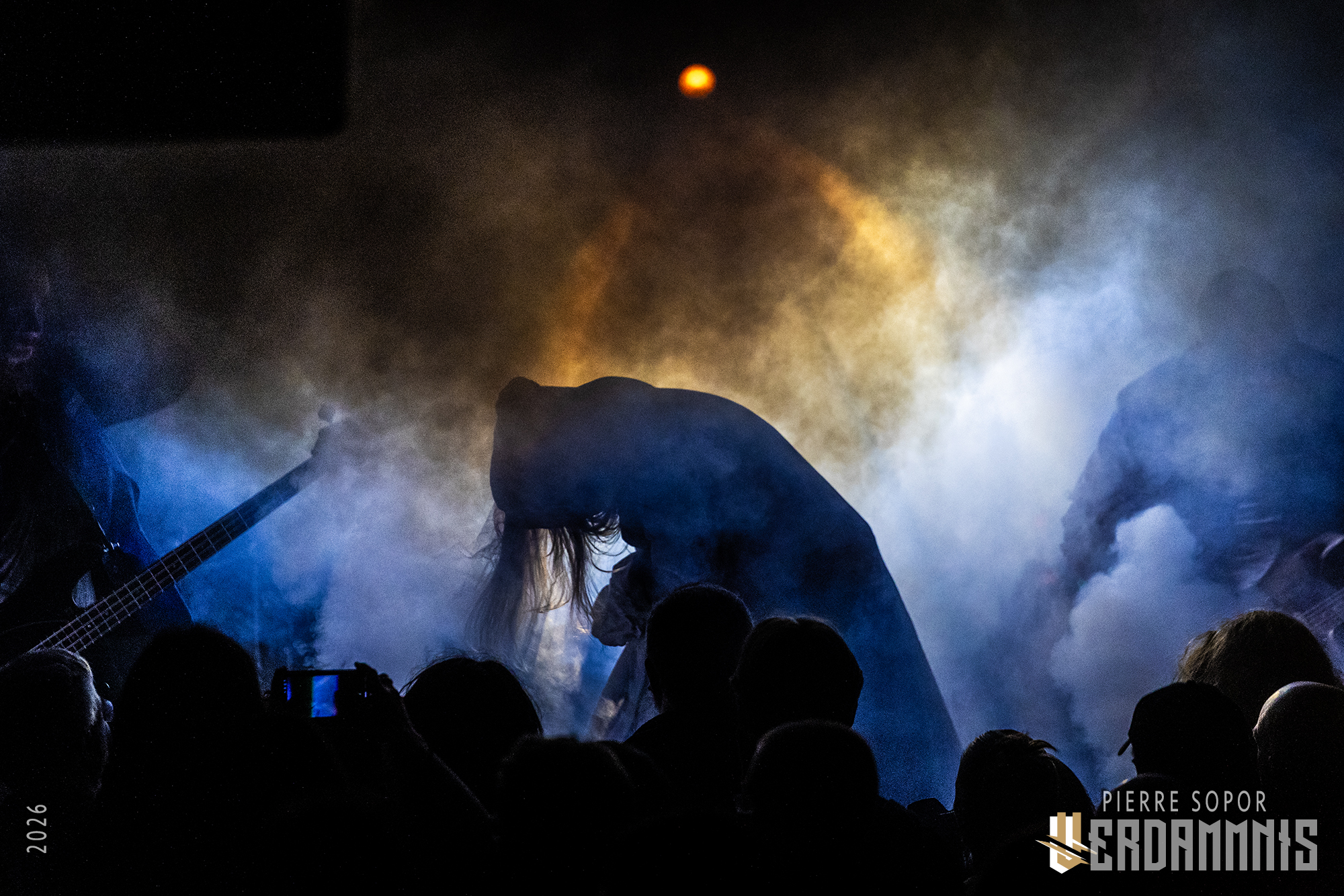
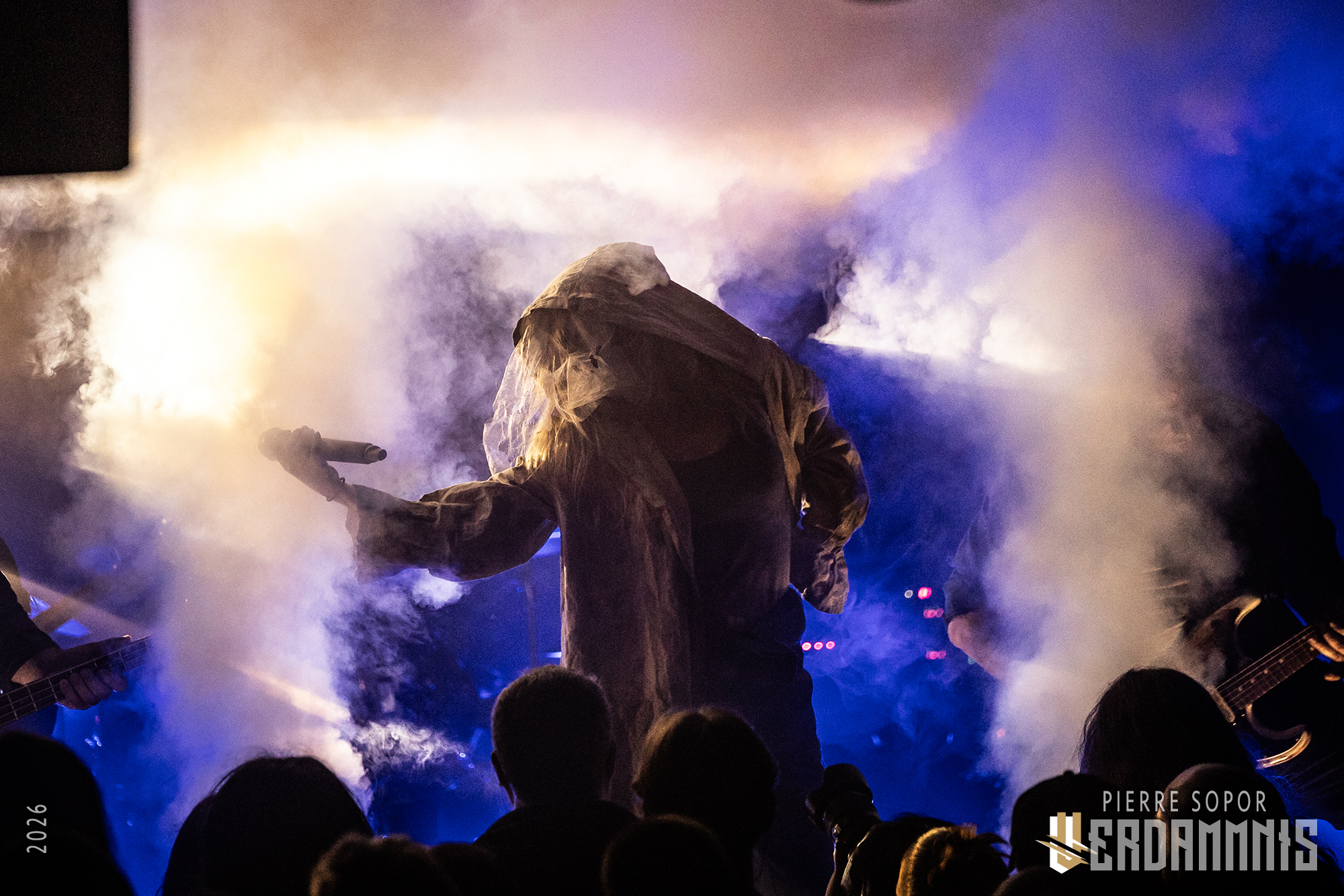
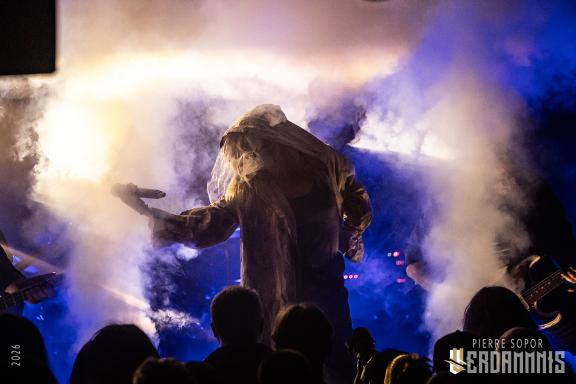
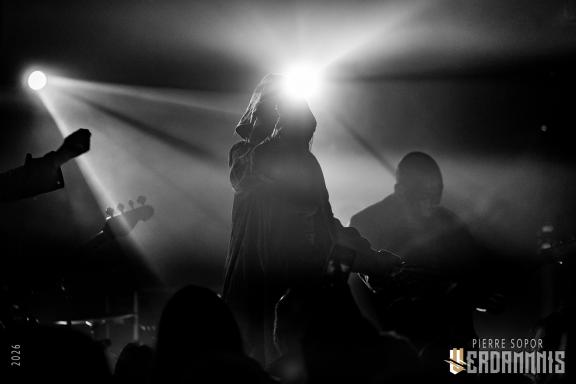
The change in atmosphere is striking even before the concert begins. An altar stands centre stage, whilst thick smoke creeps slowly across the floor and rises to shroud it. Mephorash are into Kabbalah and esotericism and, as is fitting when the music turns liturgical, the air is thick with the scent of incense and the musicians are hidden beneath their hoods and wearing masks. The concert is immediately solemn, so no more frolicking about on stage; they stand still, monolithic, with grave expressions (well, at least that’s how we imagine them, beneath their masks). A bit like at a Batushka concert—which has become the benchmark for dark, liturgical metal—you'd think if Mephorash started dashing about the stage and jumping all over the place, we’d take them for Jawas, and nobody takes Jawas seriously when they’re performing weird rituals.
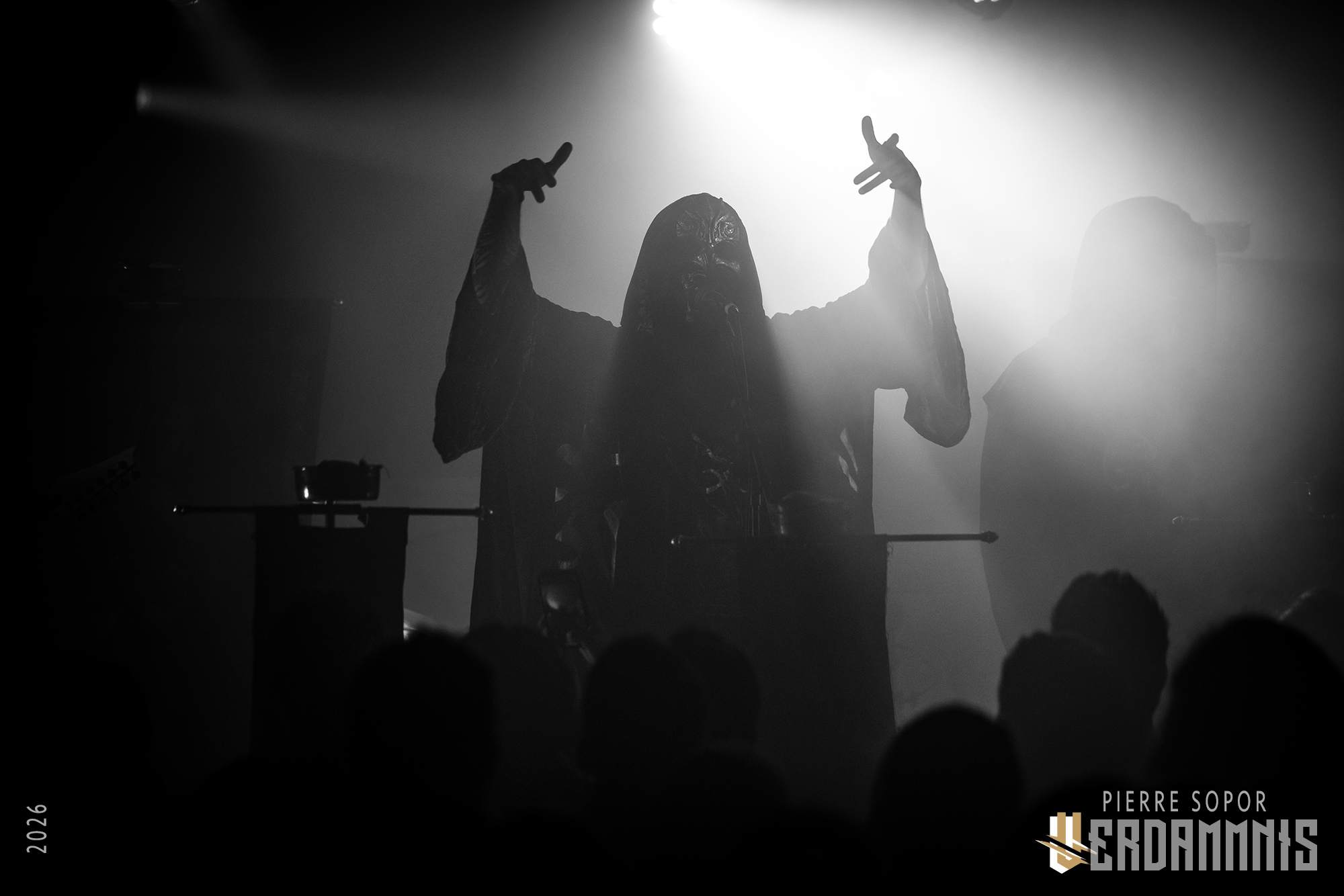
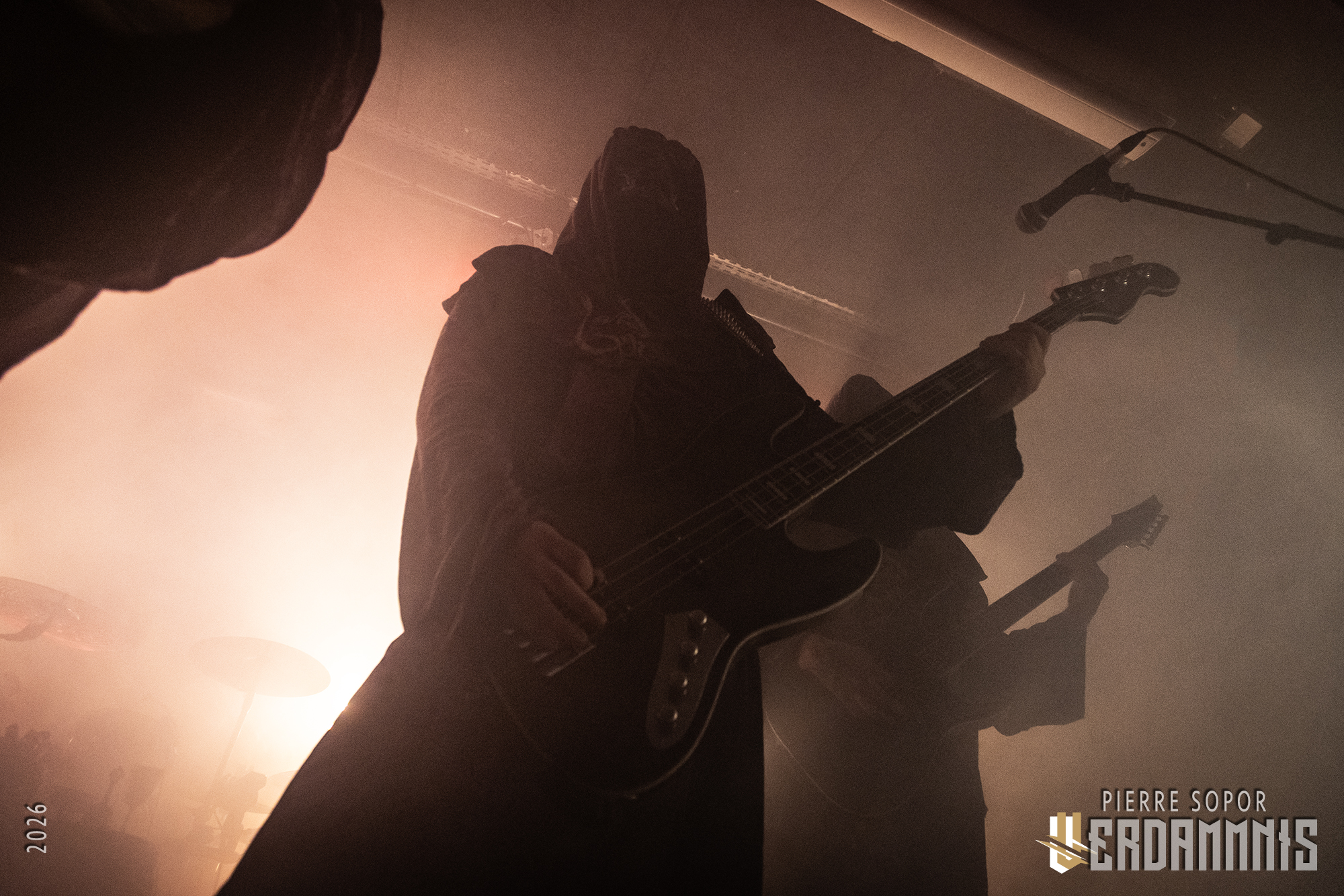
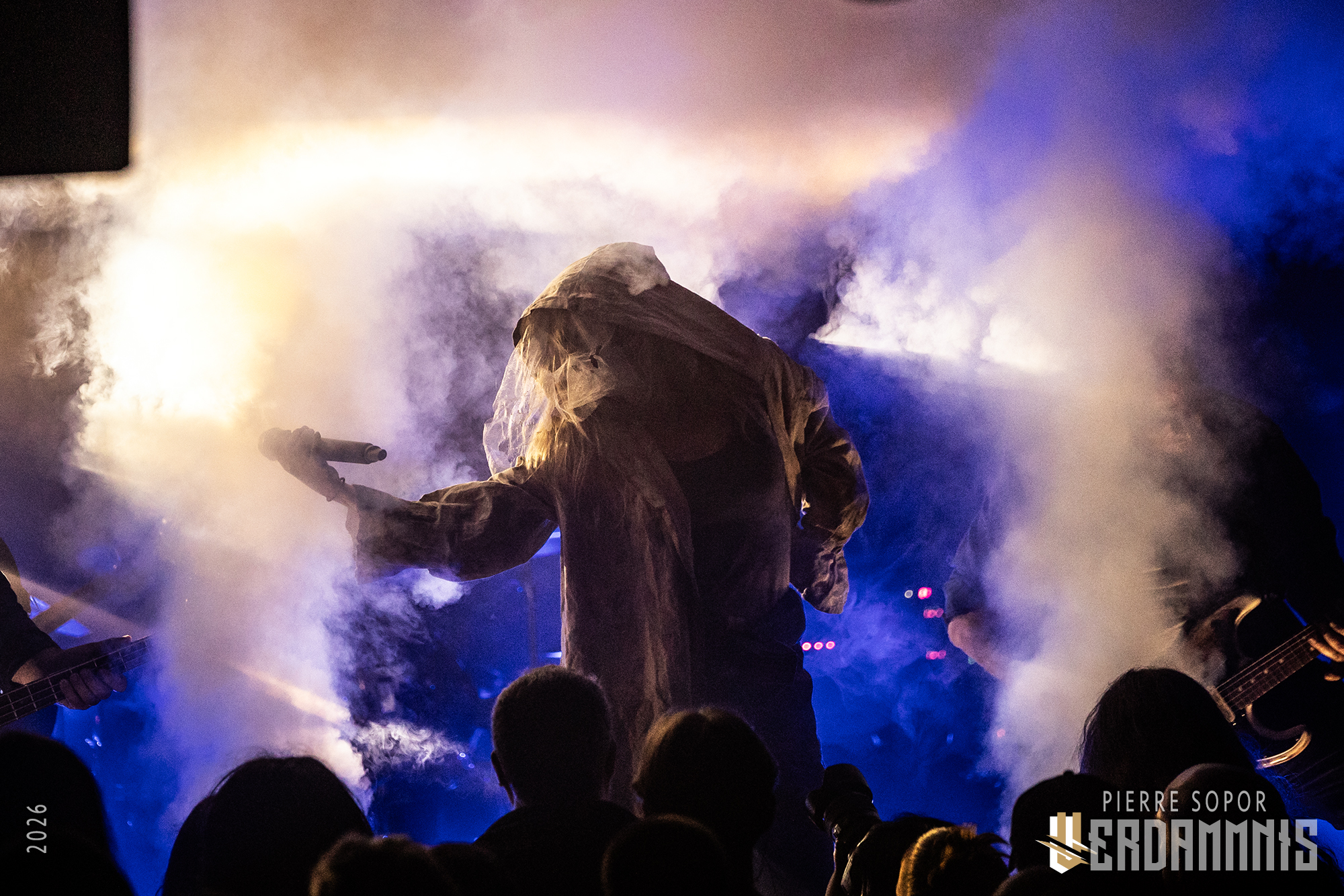
Live, their melodic, atmospheric black metal with its doom-like heaviness gains depth and presence; one savours its occult grandeur and flamboyant darkness. It’s a bit of a shame, however, that at Backstage by the Mill the band can’t light a proper fire: very quickly, the room fills with thick fog and the band transforms into vague silhouettes of Nazgûls that you might come across in the dead of night, in the London fog, after a few pints: basically, you can’t see a thing. A shame for the masks (they really are determined to hide themselves!) and the grandeur of the show, which suffers a little as a result.
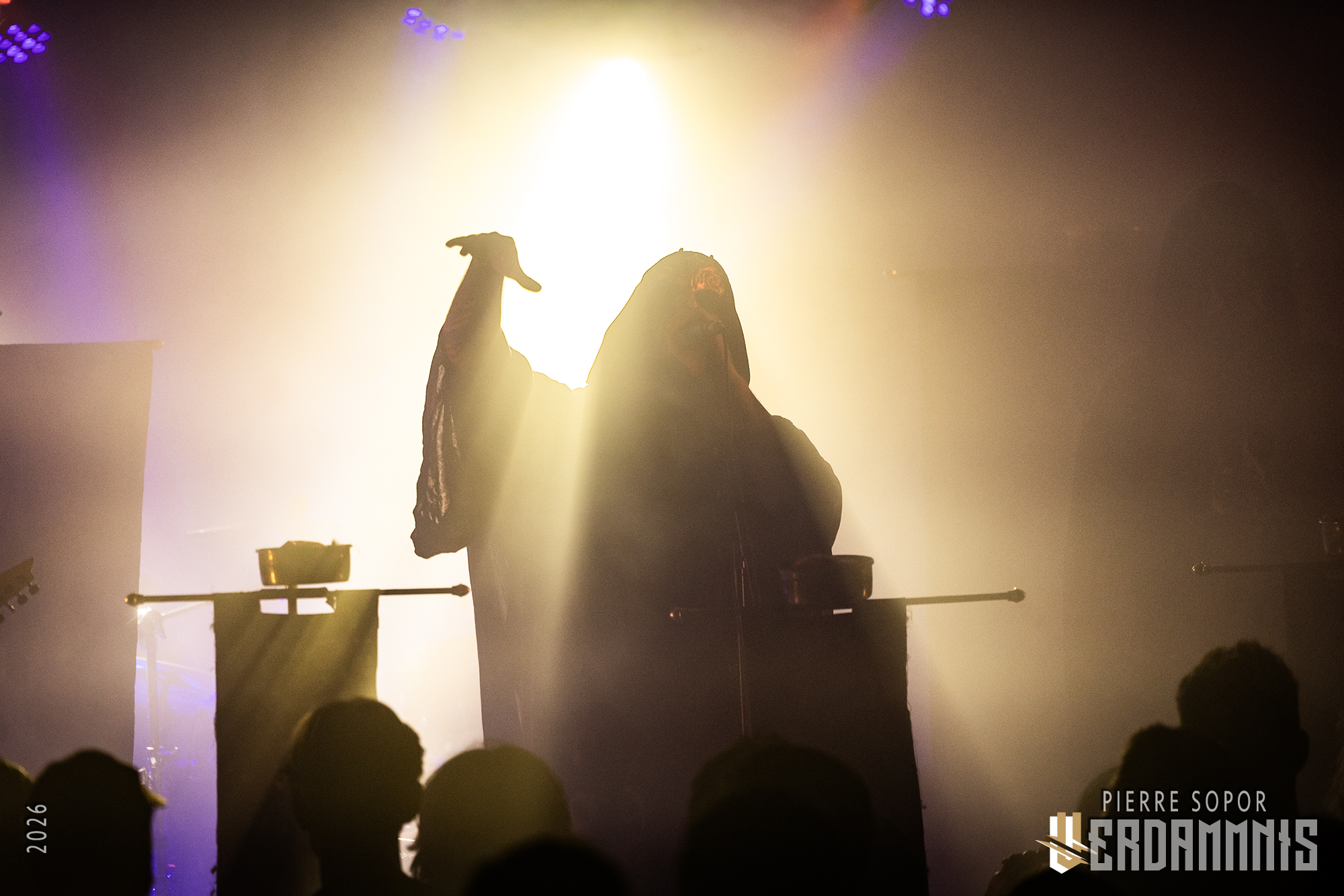
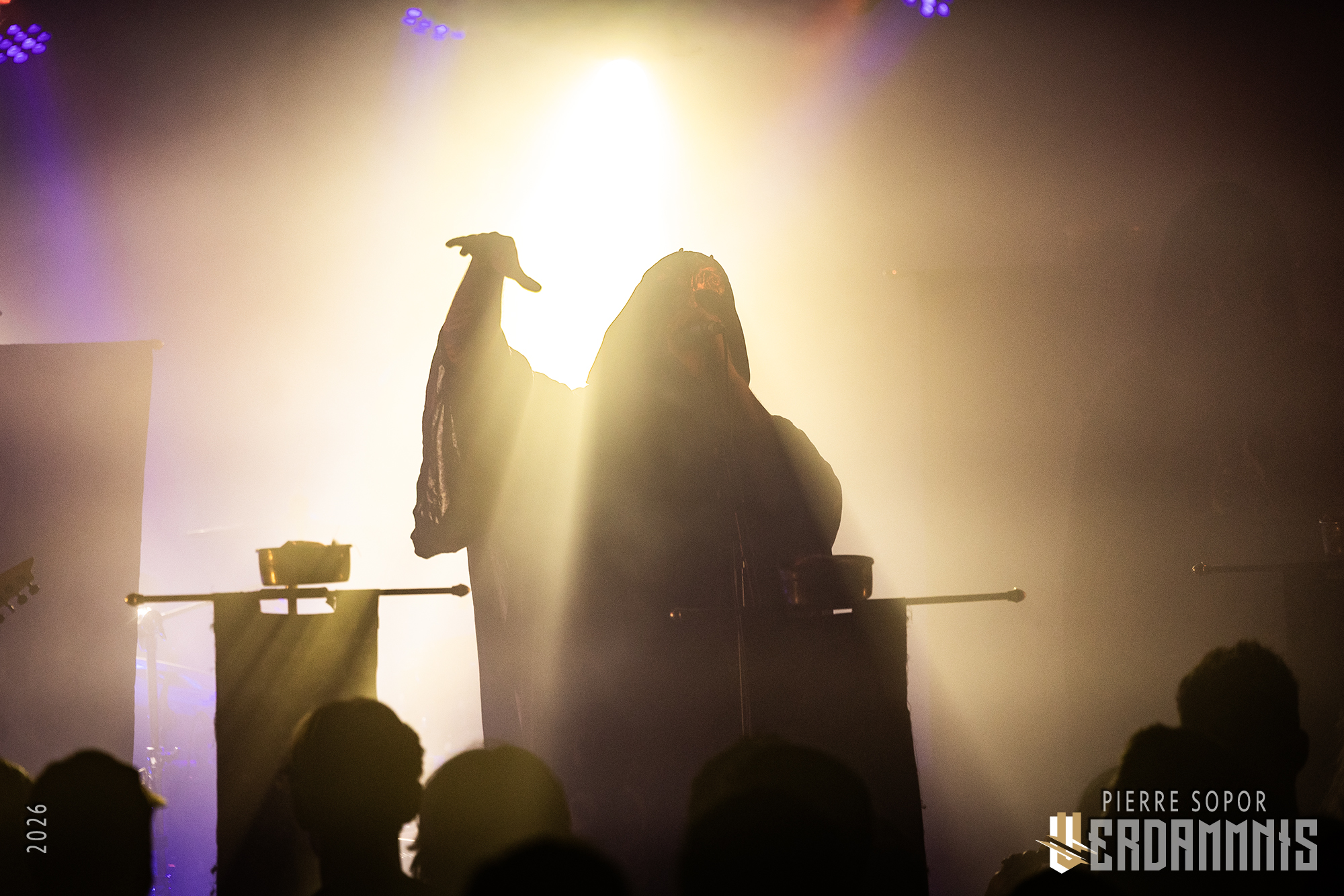
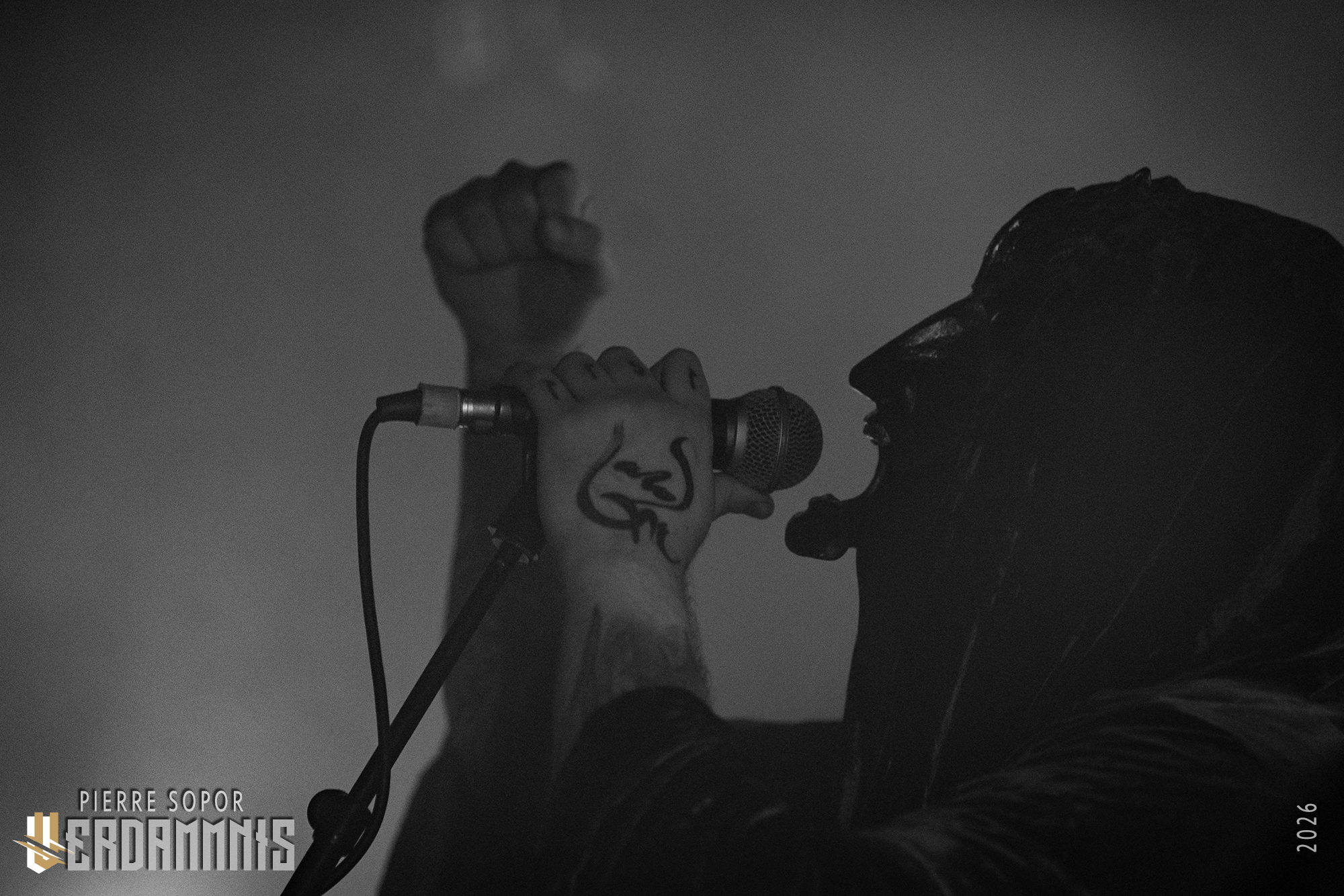
So, in the dim light, we listen to the echoes of the shouts in I Am, we have a good laugh when the sample of a crying baby introducing Gnosis rings out (we did tell you we were going to sacrifice some!), and the Behemoth-style invocations that open Riphyon - The Tree of Assiyah Putrescent are utterly imposing. The whole concert is steeped in this sacred, hypnotic heaviness. For more than an hour, Mephorash recites, declaims, chants. The singer slowly waves his hands through the smoke, hurling obscure curses at us like the Halliwell sisters but with a touch more gravitas, then brandishes a chalice (that’s usually where you put the baby’s blood): like a ritual, everything is codified, theatrical, laden with hidden meaning. It has to mean something, but it also has to look the part, otherwise we’d be holding black masses in flip-flops.
Whilst Mephorash’s music may at times seem to err on the side of excessive emphasis and the inevitably rigid constraints imposed by their universe, one must also acknowledge a genuine taste for musical exploration and refinement, a compelling exploration of gloomy, cinematic atmospheres, a stylistic approach embraced wholeheartedly, and an undeniable power to captivate. So now, we want to see them again, but in a giant ruined temple, with an orchestra, full of fire... and real babies to sacrifice!