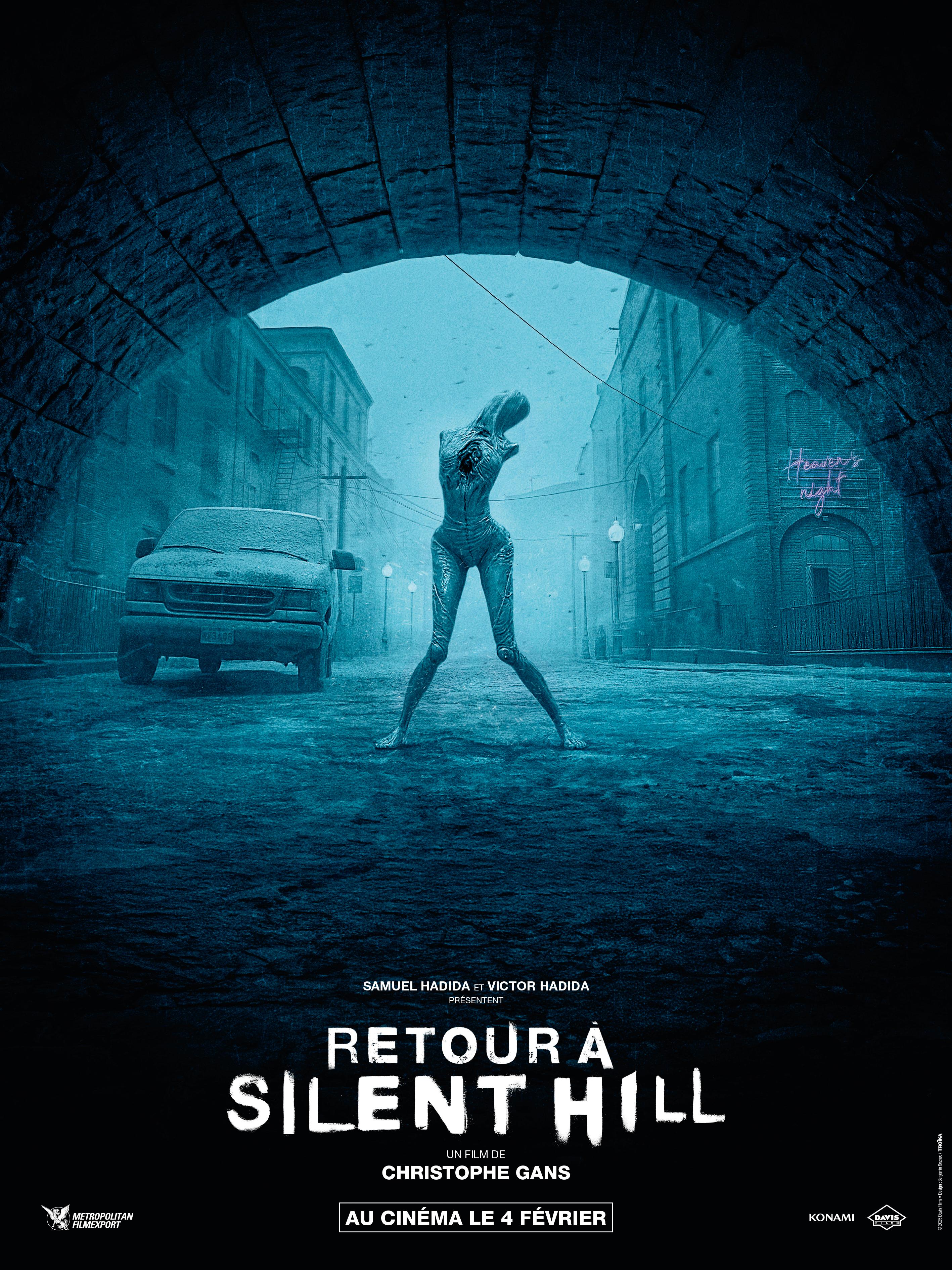
![[Cinema] Return to Silent Hill, by Christophe Gans](https://www.verdammnis.com/img/uploads/2026/01/sh3-post_header.jpg)
Title: Return to Silent Hill
Genres : Fantastique, Horreur
Director : Christophe Gans
Script : Christophe Gans, William Josef Schneider, Sandra Vo-Ahn, Hiroyuki Owaku, Keiichiro Toyama
Year of release : 2026
Country : USA
With : Jeremy Irvine, Hannah Emily Anderson
Plot : When a mysterious letter calls him back to Silent Hill in search of his lost love, James finds a once-recognisable town and encounters terrifying figures both familiar and new, and begins to question his own sanity.
With its psychological approach to horror and the themes it tackles (depression, illness, grief, sexual violence, cults, etc.), the Silent Hill video game saga has greatly contributed to the evolution of video games, so that they are finally considered as something other than commercial entertainment aimed at children and teenagers. In 2006, Christophe Gans offered a first adaptation, imperfect but nonetheless personal, which succeeded in recreating the game's unique nightmarish atmosphere. Criticised upon its release and now considered a cult classic, this first film was ‘followed’ years later by the messy and stupid Silent Hill: Revelation, a cynical production that seemed to bury our hopes of seeing the franchise revived on the big screen.
It took a long time to return to Silent Hill. We had to endure the cruel disappointment of the cancellation of a game developed by Guillermo Del Toro and Hideo Kojima, as well as Silent Hill: Ascension, a hybrid between a game and an interactive series that went largely unnoticed but featured music by cEvin Key (Skinny Puppy). Lately, Konami seems determined to plunge us back into the mists of the franchise: a remake of Silent Hill 2, considered its best instalment, was released a year and a half ago, a new game released in autumn 2025... And a new film, once again supervised by Christophe Gans, was announced!
Why does it matter, why were we so eager to see this film? Well, because in its day, the first Silent Hill could be seen as the first successful video game adaptation, the first made by someone who understood what it was all about and respected its source material. It was also a film that, in a decade when more violent horror was all the rage (the wave of torture porn, Rob Zombie's films, etc.), opted for a more dreamlike and sensitive approach. Christophe Gans showed passion, generosity and ambition, and his desire for grand spectacle is not without a certain poetry. We mentioned Guillermo Del Toro earlier... without having his genius, Gans certainly shares with the Mexican director a love of monsters and a taste for beauty in horror, but that's not all: both artists, who are from the same generation, have always sought to highlight forms of expression that are sometimes scorned by cinema elitists. Both play video games and see them as more than just a financial windfall to be exploited; they know how to draw on elements of language that they can incorporate into their staging and fluid camera movements.
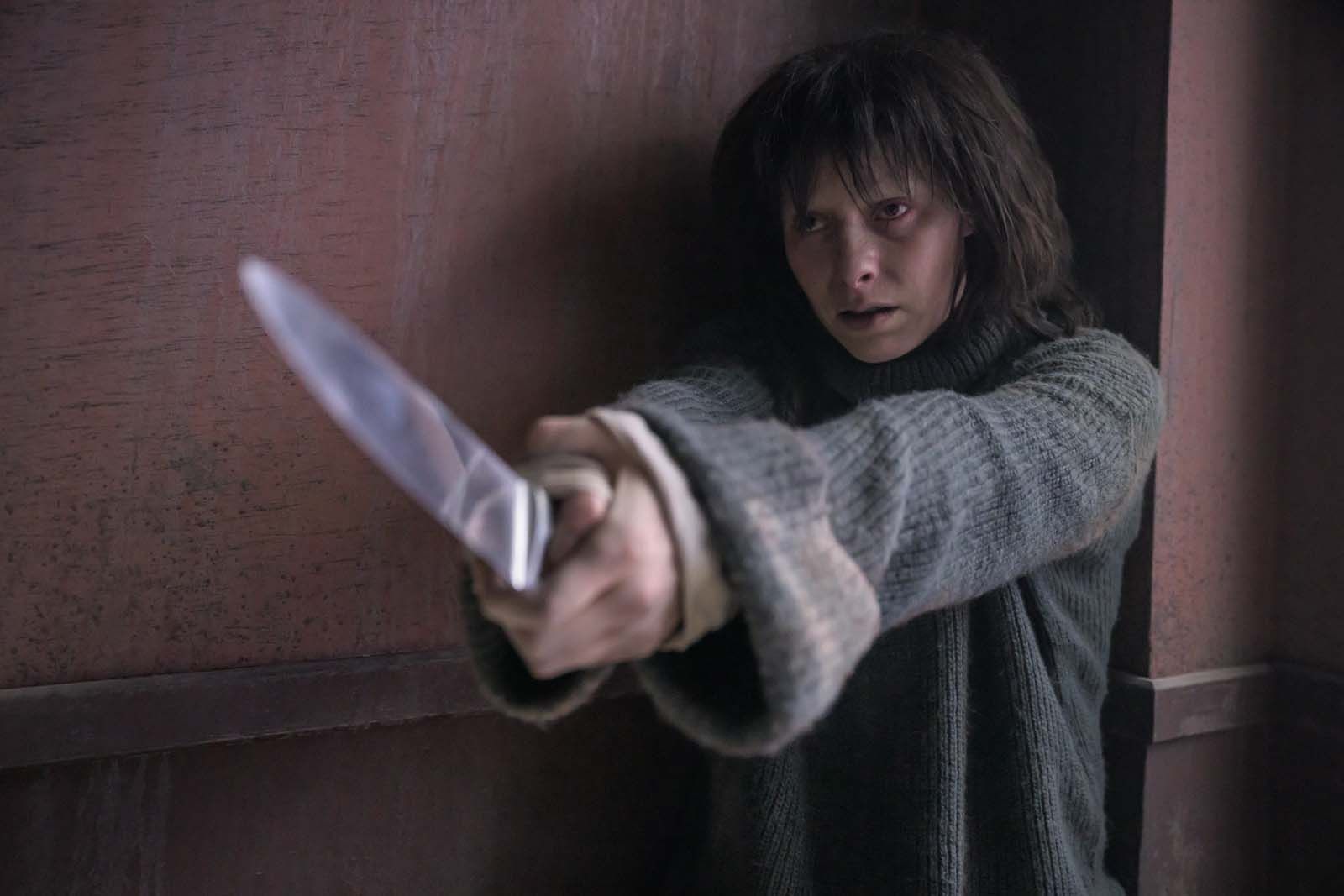
With Return to Silent Hill, Christophe Gans adapts Silent Hill 2, a masterpiece of video gaming. It's quite a feat. We follow James, a man haunted by the souvenirs of his wife Mary, who receives a mysterious letter signed by his late wife inviting him to join her in Silent Hill. Heir to David Lynch (the game has many similarities with Lost Highway) and Jacob's Ladder, Silent Hill 2 was a game open to interpretation, especially as it offered several endings. Gans warns us that he has taken some liberties in offering us his own version of Silent Hill 2.
The problem is that very quickly, something feels off and the story doesn't quite gel. The flashback of James and Mary's meeting at the beginning of the film sets the tone: the uncharismatic cast, not helped by the limited material they are given, fails to make us care about the characters. The pace is too fast, and their decisions seem to make no sense. We immediately realise that Return to Silent Hill suffers both from questionable artistic choices and production problems that prevent the magic from ever happening.
Although it shows several key stages of the game, which fans can enjoy recognising in terms of settings, secondary characters and certain details, Gans adds two subplots that not only weigh the film down but also strip it of its suggestive power, mystery and ambiguity. Whether it's the cult storyline that ties in with the overall lore of the saga (and piles on the religious fanaticism of the first film) or the scenes involving the psychiatric hospital (thus accentuating the connection with Jacob's Ladder), we are bombarded with laboured explanatory flashbacks (brought on by... painful flashes) or James's phone calls to the outside world. As a result, we are too often taken out of the foggy labyrinth that is Silent Hill, preventing any immersion and over-explaining elements of the script that would have deserved more subtle treatment. Worse still, and without giving anything away, these choices completely dilute what made the ending of the game so powerful, sanitising it to the point of stifling all emotional impact in its watered-down resolution. Here again, Gans makes a choice that we won't discuss here, but which not only diminishes the message of the original work but also fails to offer anything else in its place.
The form isn't right either. With its overly frenetic editing, Return to Silent Hill never breathes and rushes us from one setting to another at a pace that's far too fast for us to soak up the atmosphere of the city. While players, controller in hand, get lost and wander around in the fog for a long time, a gameplay element that contributes to the city's power of fascination, the film rushes through scenes as if getting rid of chores. The cemetery at the beginning, the walk through the park, the hospital: we just pass through it all, with the story ultimately progressing only with these laborious flashbacks.
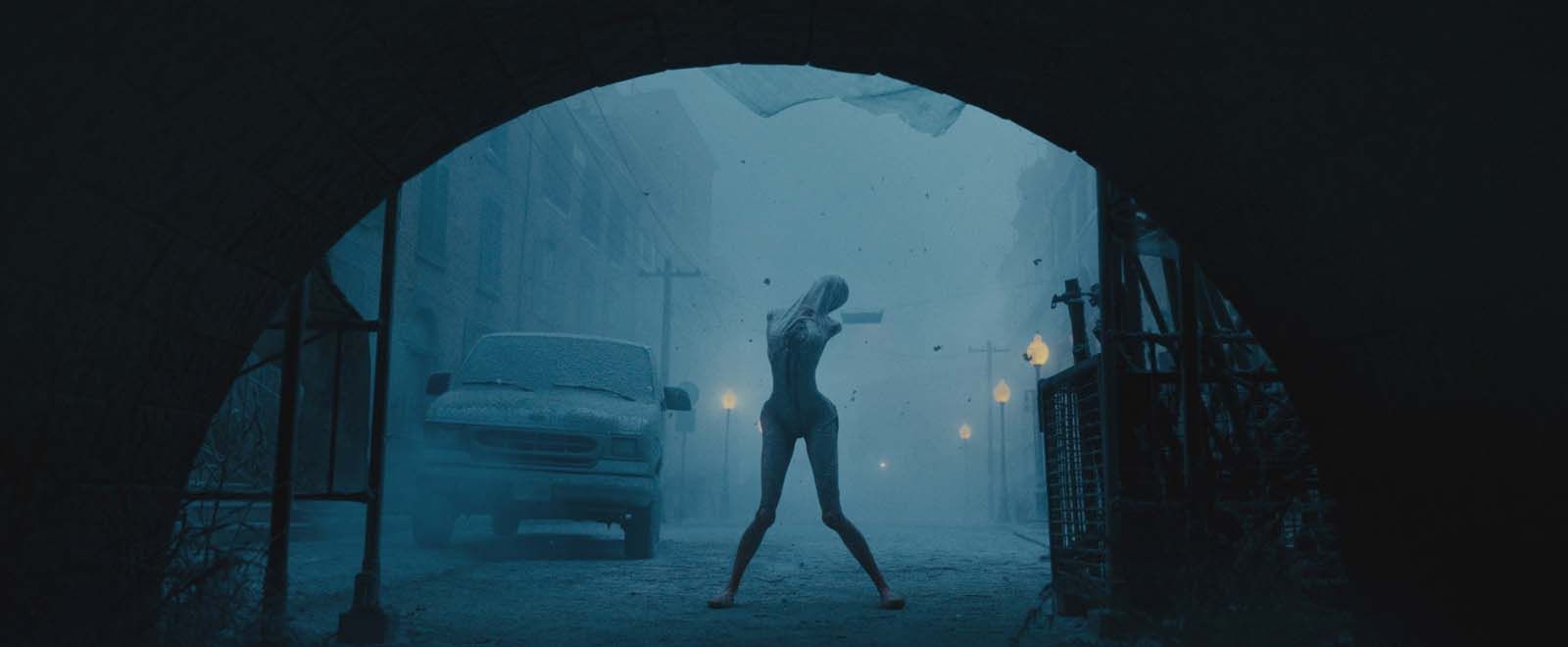
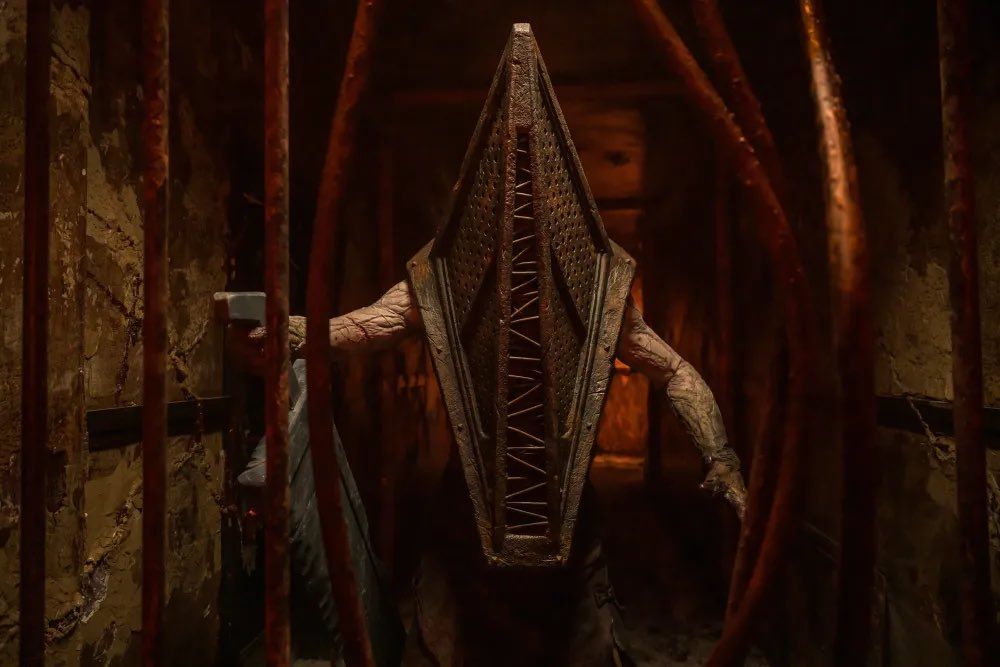
It's impossible to appreciate the atmosphere, with the famous fog originally present for technical reasons (it avoids having to calculate too many visual elements) and which ended up becoming the trademark of the series, quickly overshadowed by an alternation between day and night marked by the wailing of sirens, as in the first film. It's also impossible to build tension: for a horror film, Return to Silent Hill fails to scare (unless you like jump scares, there are two completely gratuitous and meaningless). The monsters are dispatched at the same pace as the rest and with the same lack of love (Pyramid Head, dragging his sword like the Christ dragged his cross, is particularly sacrificed, with his ridiculous screen time, poorly filmed scenes, and over-explained symbolism.)... which is a shame because their appearances are by far the most successful aspect of the film! Otherwise marred by sometimes disgusting CGI (although the unreality may contribute to the overall atmosphere, there are some serious lapses in taste), the monsters are all played by acrobats and the result is quite satisfying. Some scenes effectively manage to combine poetic fascination and revulsion in a single shot.
While we spend far too much time in dark corridors, with overly rapid editing and a noisy sound design that stifles the work of the saga's legendary composer Akira Yamaoka, we regret the way the film treats its locations with such disregard. While the ruin and corruption of the city echo the psychological state of the characters trapped there, the game took us deeper and deeper into its bowels, like James diving ever further into his unconscious. Instead, Gans prefers the metaphor of the maze. To escape, James must reach the centre, a task that amounts to a quest for self-discovery: he must find himself in order to move forward. Unfortunately, while this was an opportunity to emphasise the Lynchian aspect of the film, everything is too fast-paced and explicit for the viewer to get lost in this quest alongside the characters.
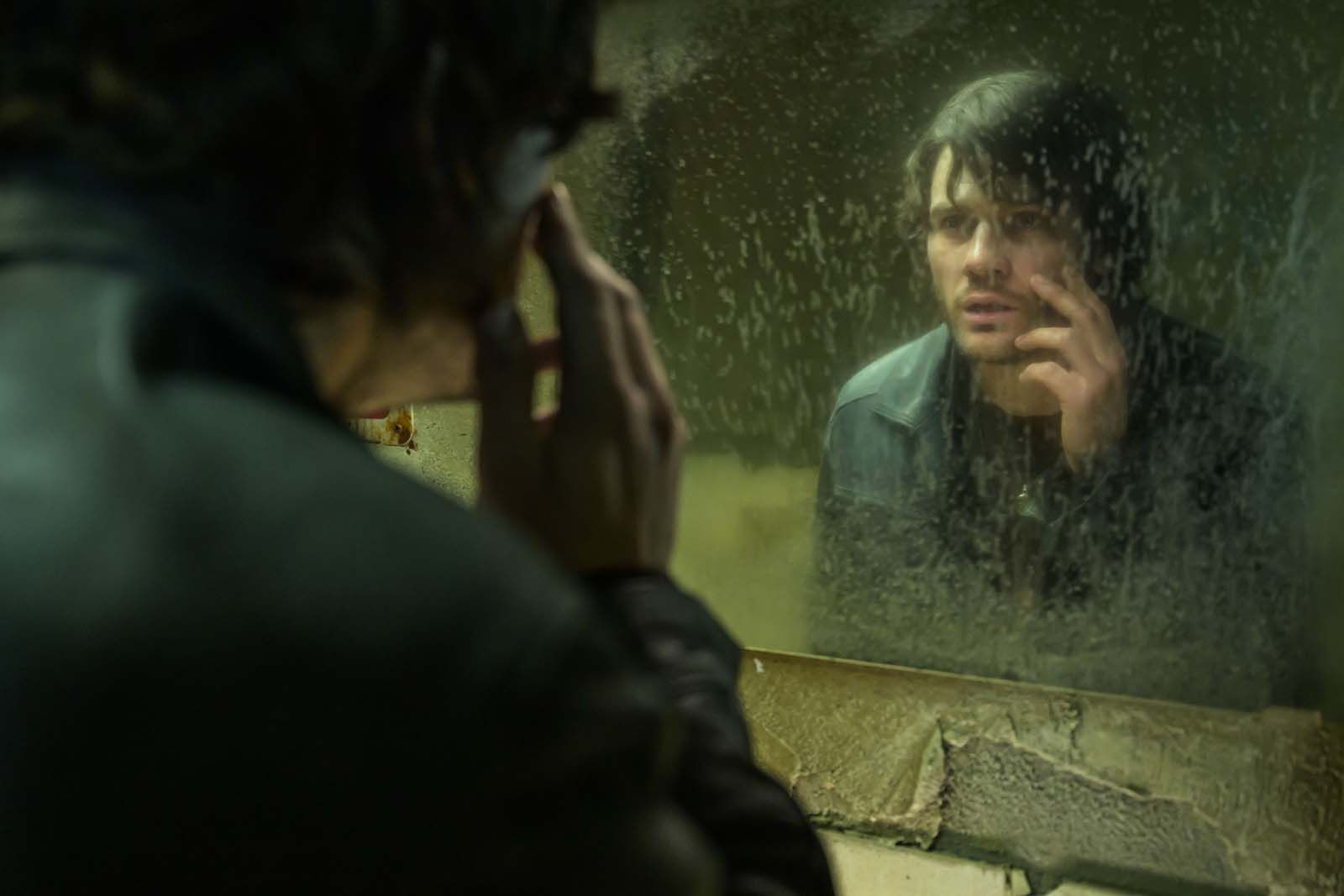
Let's take a look at the film's production and the conditions under which it was made to get a better understanding right away. With a meagre budget of $20 million (the first film, released twenty years ago, had more than the double... without taking inflation into account!) and the requirement that it be less than two hours long, Return to Silent Hill was already (almost) doomed. It would have been necessary to opt for a more atmospheric minimalism and give up on its superb creatures. After all, the original game was very effective despite having ridiculous technical means compared to what is available today. Fewer creatures, less spectacle? That's out of the question for Gans. So we end up with a bland cast (in this respect, James is faithful to the game!), a film that moves too quickly for the story it wants to adapt, but also some glaring holes: by removing one element here, another becomes unstable. You can sense that the writing was a balancing act to make everything fit together and tie everything up. Three people wrote the screenplay, which doesn't exactly suggest a calm and coherent process.
Thus, Eddie's character appears to be a clear victim of mandatory editing to keep the film within the time limit (some of his scenes were cut, and we are still trying to figure out his purpose in those that remain), and Maria's character becomes anecdotal, but that's not the worst of it. In an interview, Gans reveals that he originally wanted to show Mary's father in order to address the issue of incest. This character was to have been played by Stephen Lang, whose fee was deemed too high by the production company. With the father's story gone, Gans makes up for it at the last minute by forcing in a cult instead... which robs other parts of the film of their meaning (notably the character of Laura and her doll, which no longer have any role other than aesthetic). Among the secondary characters, only Angela ultimately receives acceptable treatment, as the “monster” associated with her is quite memorable.
It's 2026. Christophe Gans hasn't directed a film in over ten years and no longer has the same aura he had after the miraculous success of Brotherhood of the Wolf. But when you want to adapt something like Silent Hill, you either have to give yourself the means to do so or opt for a more modest approach. Admittedly, the director makes some poor choices and lacks subtlety, but it seems unfair to blame him alone for this failure: as things stand, with the constraints imposed on him, it is impossible to know what his vision might have been.
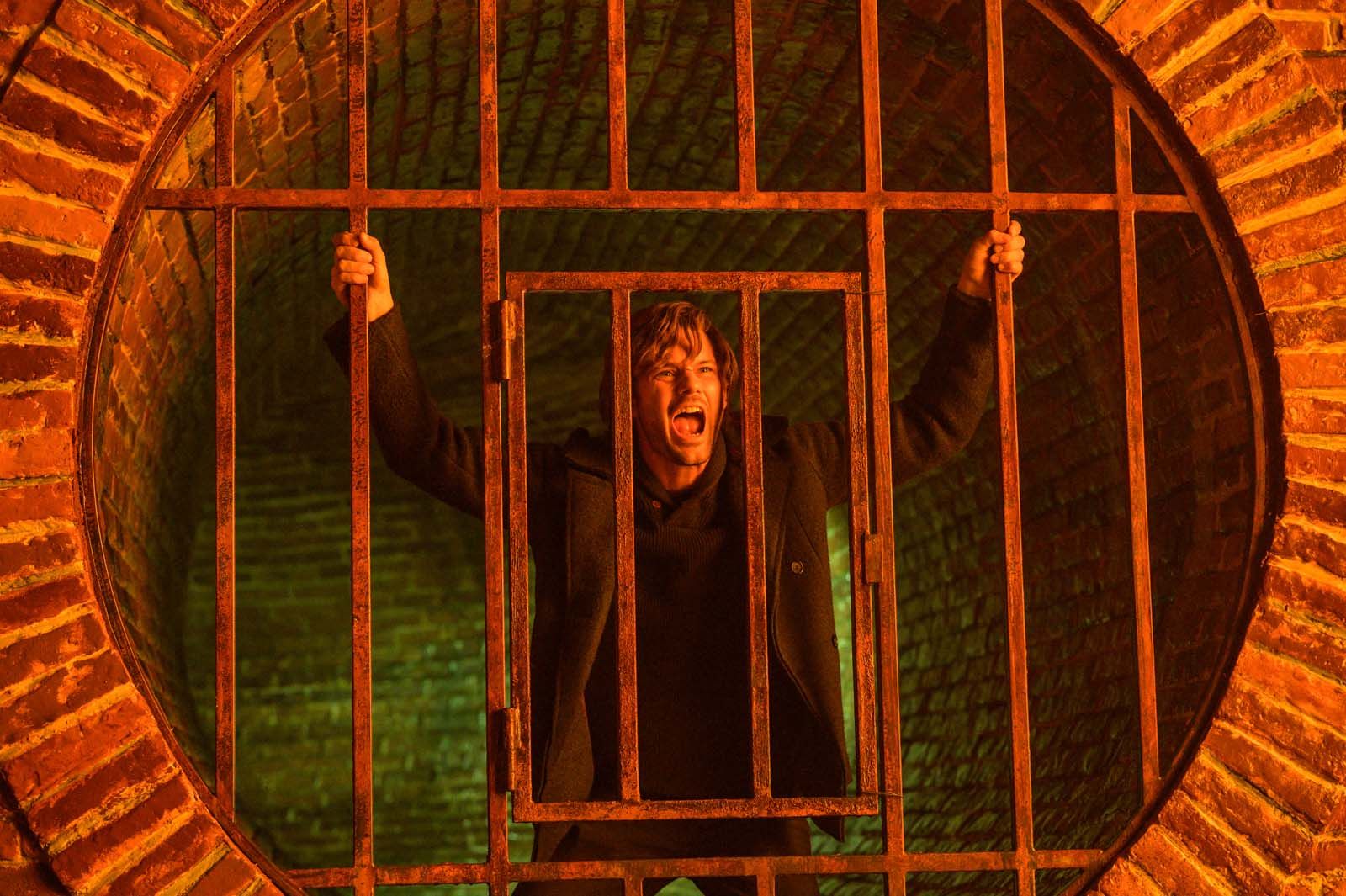
However, it's not an absolute disaster like Silent Hill: Revelation was. You can sense an intention, there's a strangeness, a very particular tone that will probably be better appreciated by viewers who haven't played the game and therefore can't compare the two. But here again, unfortunately, it doesn't quite work: after a decade in which horror cinema has been particularly successful in renewing and enriching itself, offering truly avant-garde proposals, Return to Silent Hill seems outdated and a bit simplistic, too explanatory and not radical enough to really establish itself as a landmark horror film. We must thereforeappreciate what remains: a few aesthetic flashes of brilliance, magnificent make-up... and the hope of seeing a director's cut, which exists, in order to be able to fully judge Gans' work. Who knows, with an extra twenty or thirty minutes, we might have been able to immerse ourselves more fully in the chilling and depressing atmosphere of this story, we might have ended up caring about these characters and their love story that never really concerns us, and thus better subscribed to Gans' more romantic vision inspired by the myth of Orpheus. Devoid of emotion, taking the viewer by the hand (the ultimate irony for Silent Hill), simplified and too fast-paced, the film currently seems more like a betrayal or a sanitisation of the original work.
Return to Silent Hill is a mess, a sloppy product mutilated by decision-makers who didn't have enough confidence in this project to give it the means to shine as it should have. When you tackle something as narratively ambitious as this while also wanting to offer popular entertainment, you have to give yourself the means to make the event live up to expectations. Already released in the United States, the film is currently a flop. If this is confirmed, there is good reason to fear that Silent Hill will not be haunting our screens again for a long time. It won't be because there's no material there – just imagine what Del Toro could do with it, for example – but because this film was made by treating fans like idiots. This is where redemption may come for Christophe Gans, despite his poor choices and missteps: probably aware of the disaster he had embarked upon, this genuine enthusiast nevertheless attempted to show generosity by emphasising the monsters so that we would at least have that to enjoy. Return to Silent Hill can then be appreciated as an slightly under-average B movie, flawed but generous, and still more unique than a random slasher film or yet another basic Conjuring-like, provided you ignore everything it could have been: newcomers could see its holes and gaps as avenues to explore for themselves... paths that will undoubtedly lead them to lose themselves in the mists of Silent Hill.