We have a saying in France that we could translate by "in May, do as you please,’ some mindless wisdom of our elders, those phrases we recite without stopping to think just how silly they might be. But then, if there’s Mai Mai Mai in May, are wepleased-pleased-pleased? We may find out! We investigated, feeling a bit miffed that it wasn’t the 3rd of May—because we could have come up with another pun—nor the 4th, because we could have said “Mai Mai Mai the fourth be with you”, like proper Star Trek fans. Never mind: the evening organised by Sanit Mils caught our eye, as is often the case when we’re offered both a ritual in a cellar—in this instance, that of La Mécanique Ondulatoire—and the chance to discover on stage something truly unclassifiable and mad like Sturle Dagsland.
DOLOMEDE
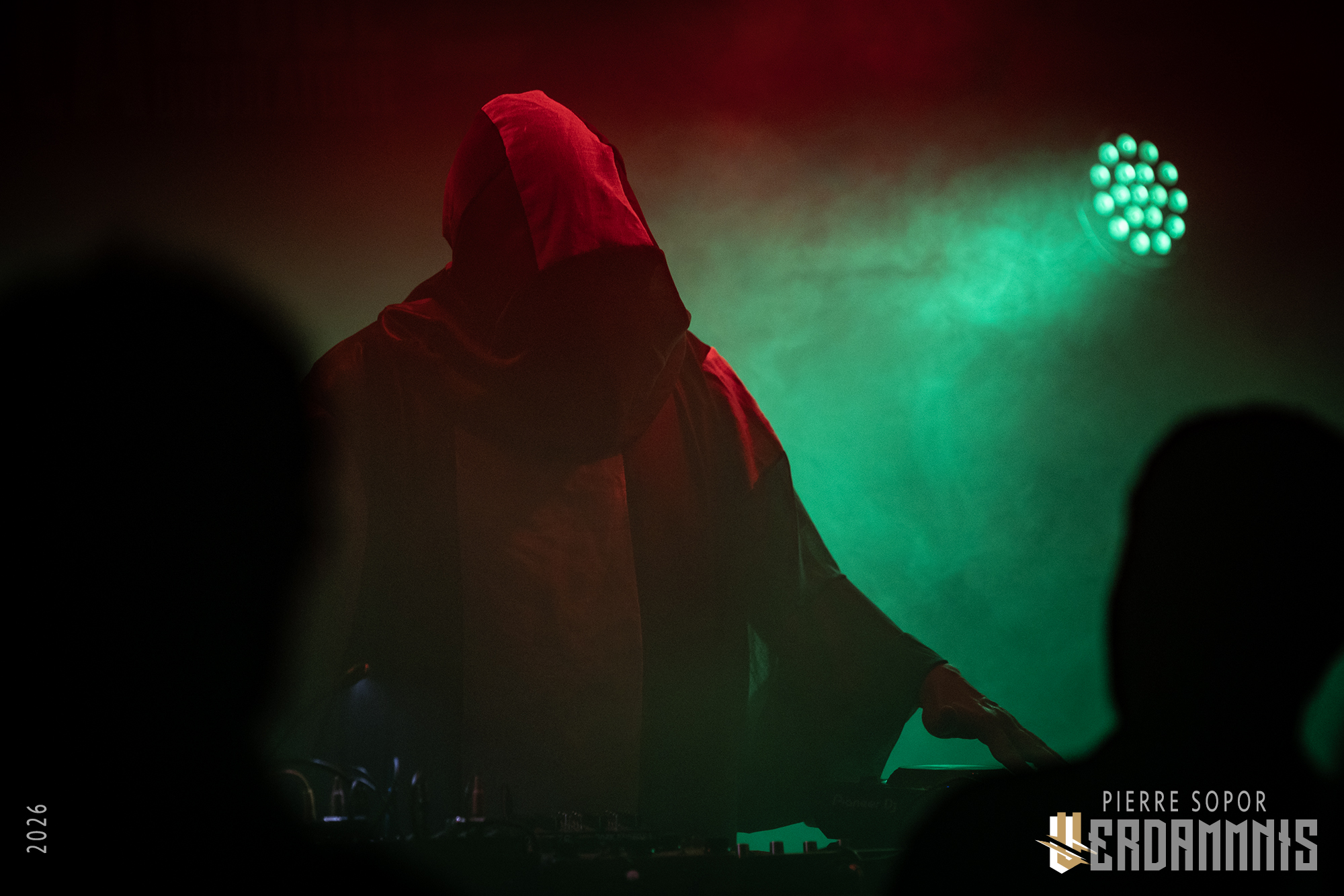
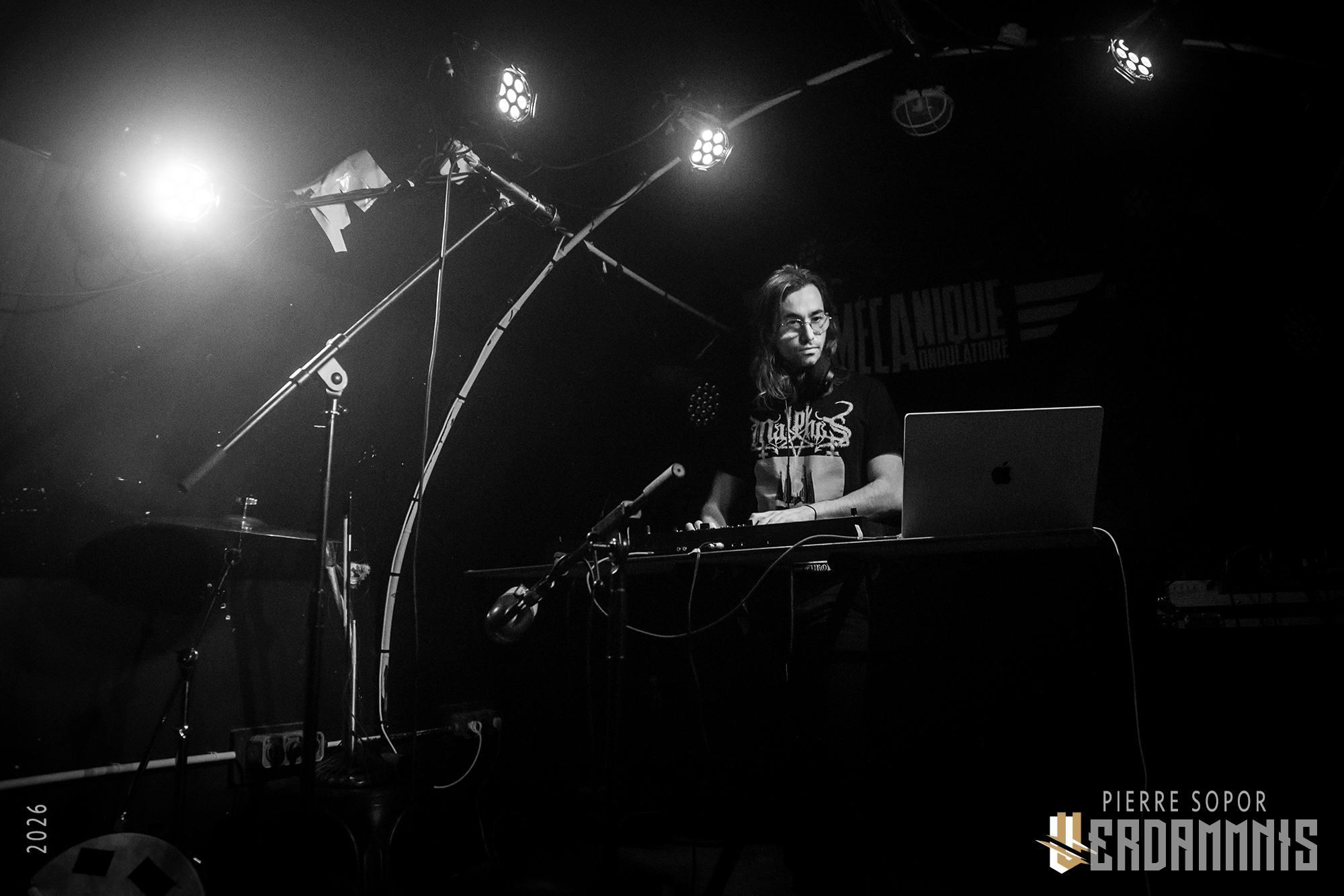
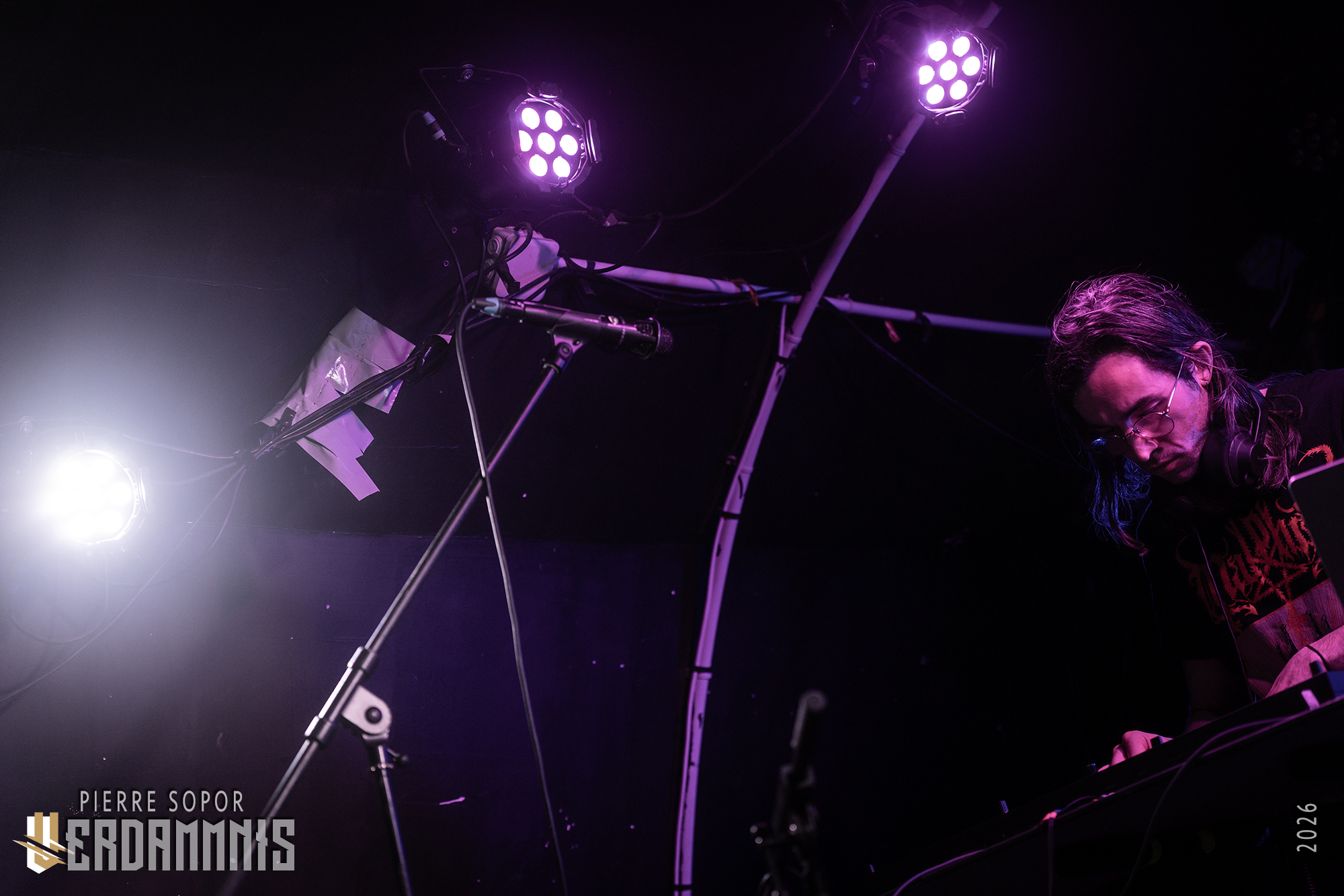
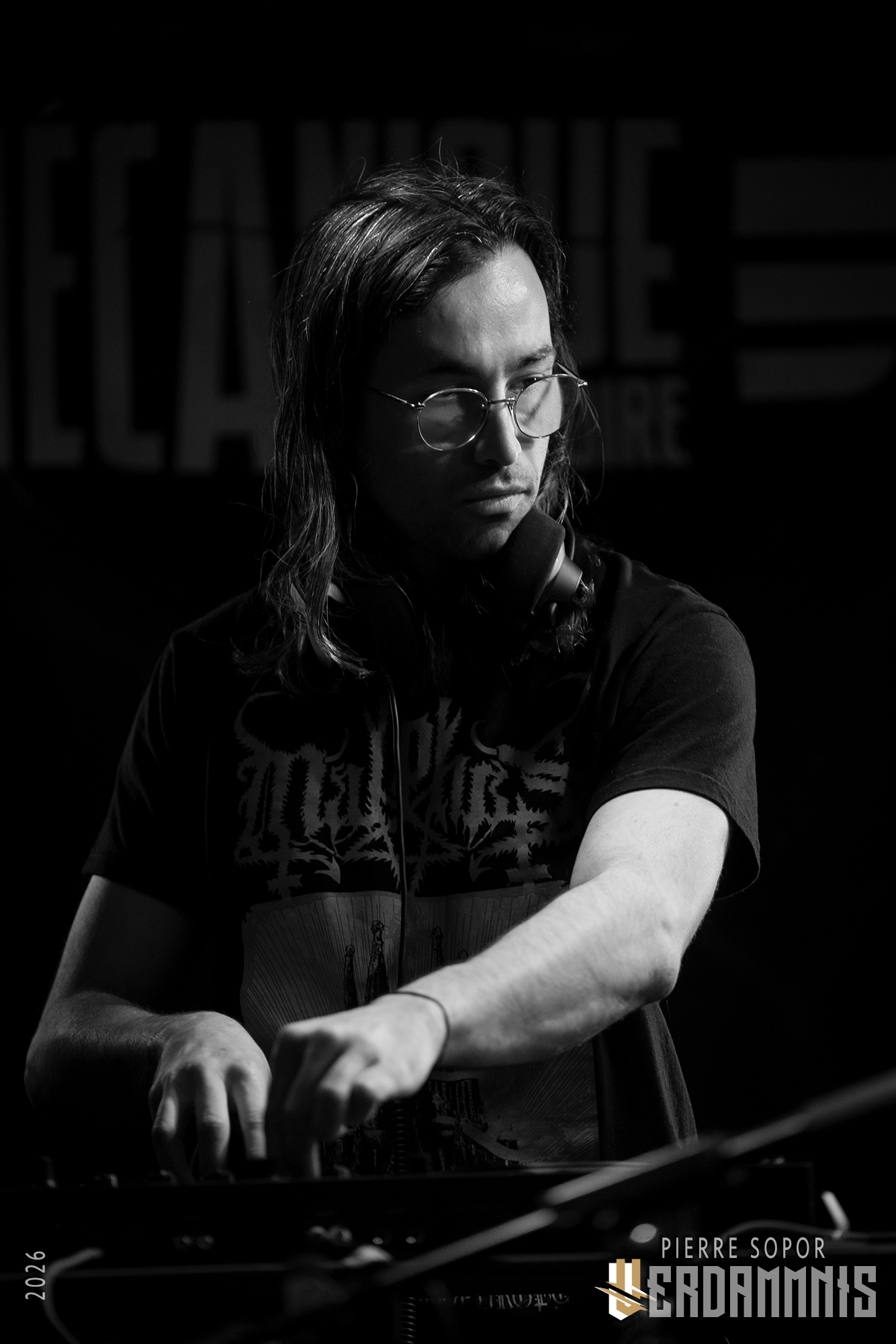
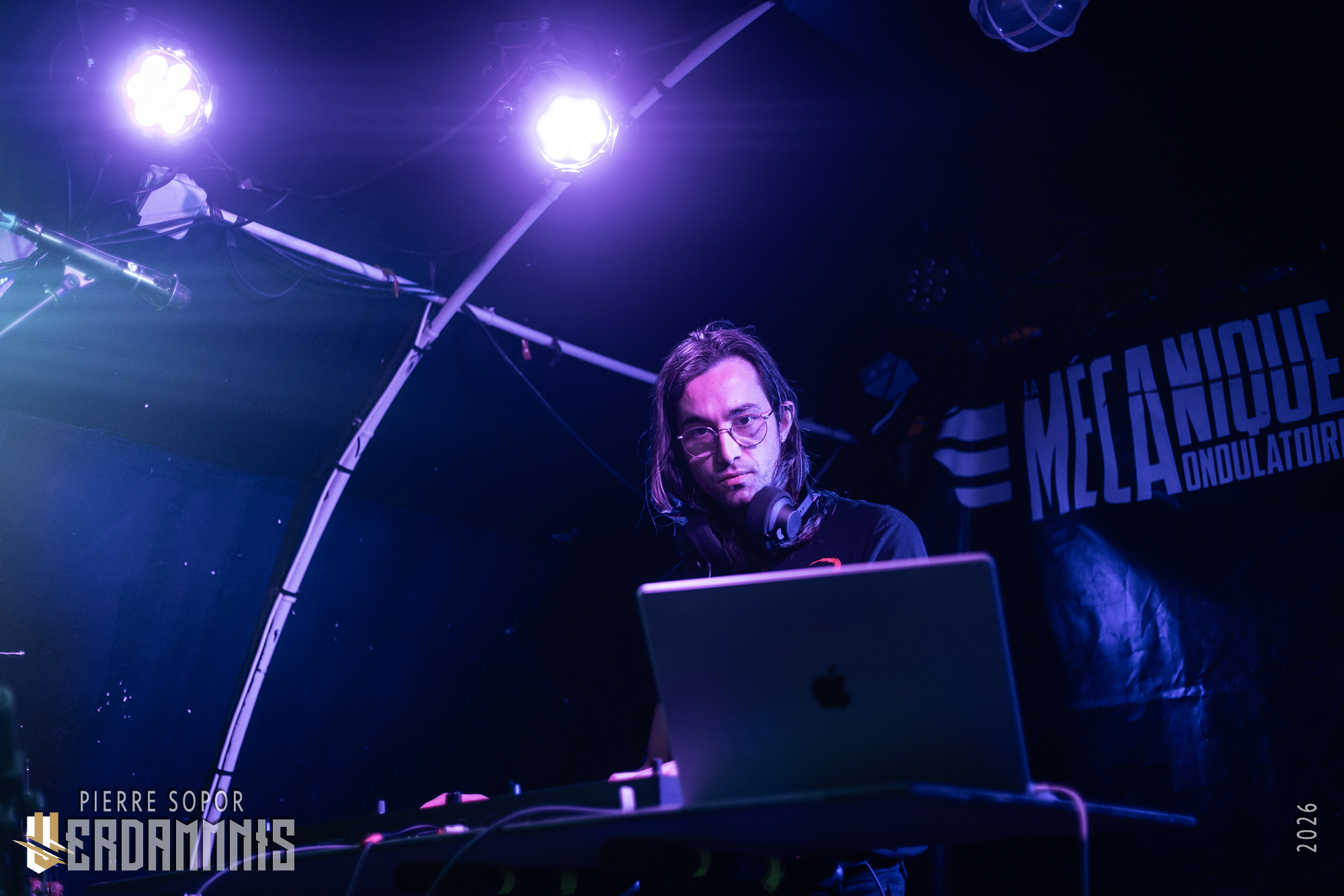
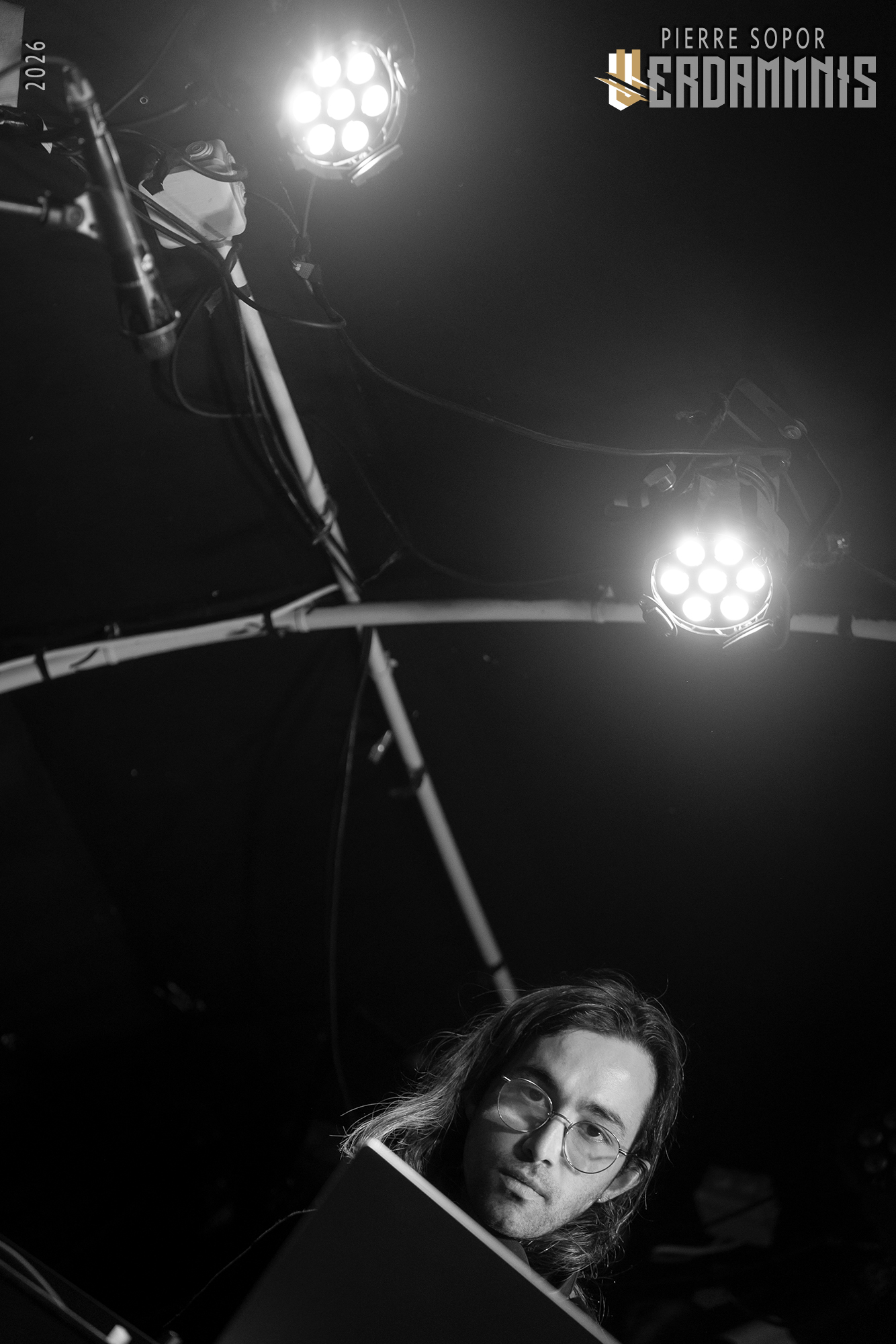
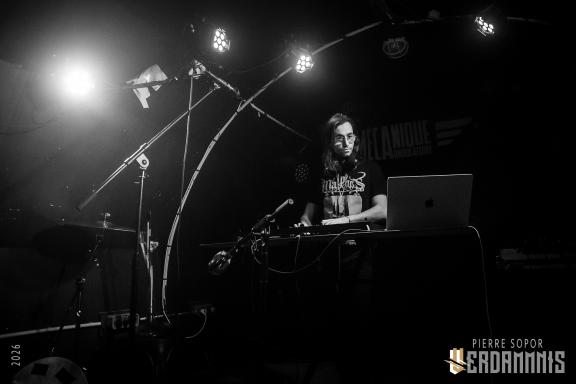
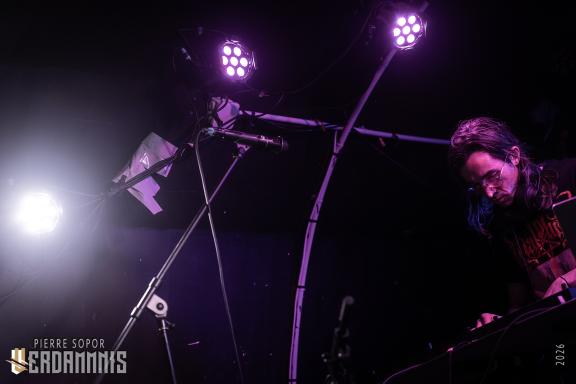
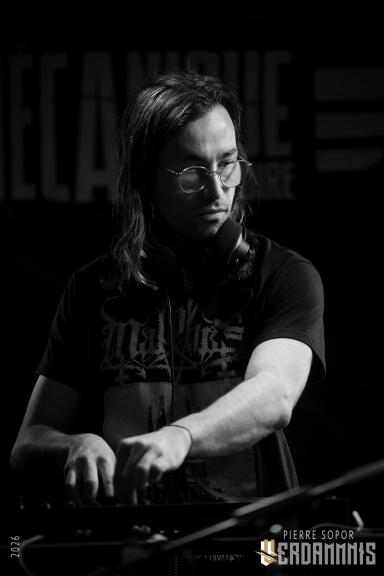
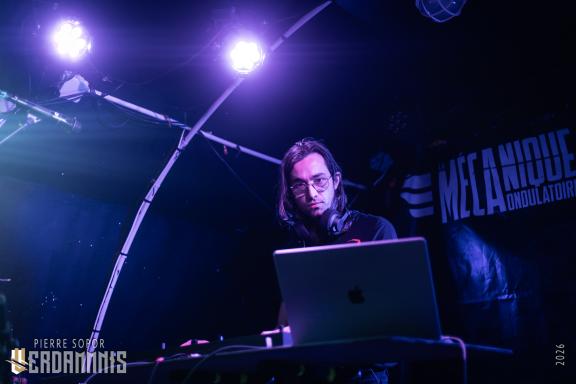
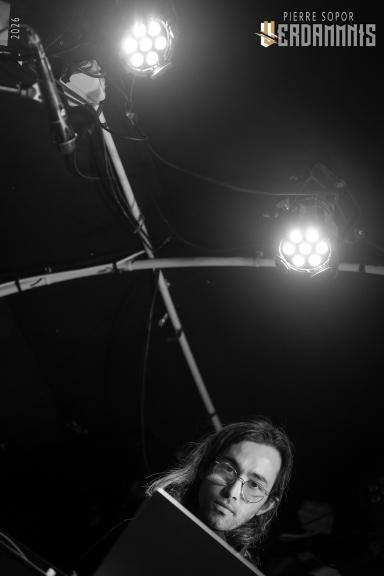
We descend into the basement of La Méca as if diving down through a series of levels: gradually, step by step, just to leave reality behind bit by bit and not lose our minds completely straight away. Dolomede’s DJ set accompanies us as we cast off in stages. True to the spirit of the evening, we start off gently, with subtle atmospheric layers. There isn’t much of a crowd yet, but those present are listening: when you come to see Mai Mai Mai, you don't fear some ambient music! Little by little, the set shifts and we move from more assertive electronica to something more earthy, almost verging on sunny post-rock (Daturah)... Are we underground to soak up the sun? Certainly not! Fortunately, in its final moments, the set takes a dark turn for a tortured conclusion with Meshuggah’s Black Cathedral, which flirts with black metal and brings an apocalyptic end to this journey, which has taken us through Emma Grace and The Black Dog. A bit like Charon ferrying us across on his boat, Dolomede took us by the hand to lead us, little by little, into the parallel world where the rest of the evening would unfold.
STURLE DAGSLAND
Last year, Sturle Dagsland played at the Wave Gotik Treffen festival. Since then, we’ve been trying to unravel the mystery. The investigation, however, is rather baffling: you only need to glance at the list of genres associated with Sturle Dagsland to get completely lost. Are you familiar with all the genres in the world? There you go. Pop, folk, avant-garde, jazz, post-rock, electro, noise... Don't even try to put a label on it.
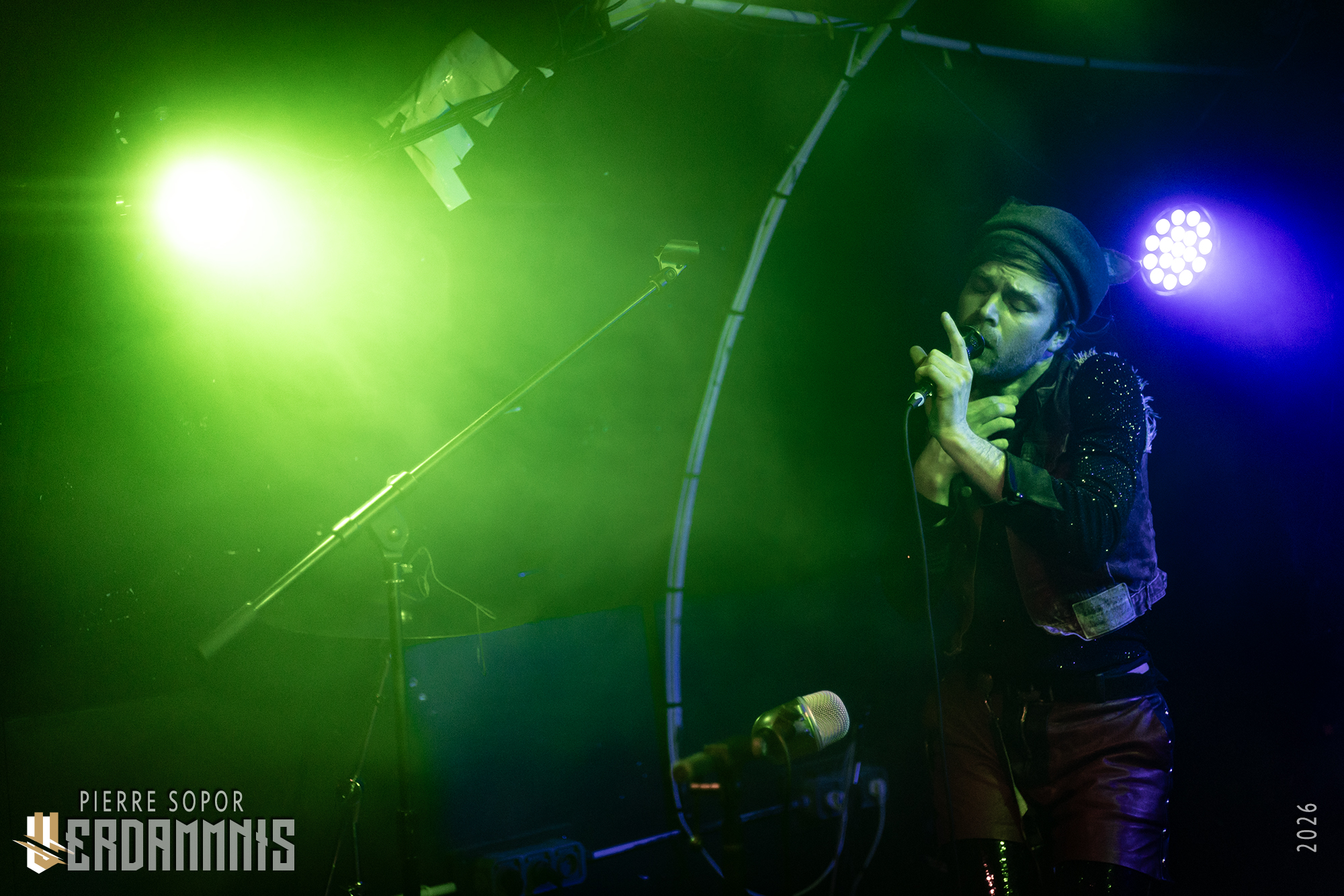
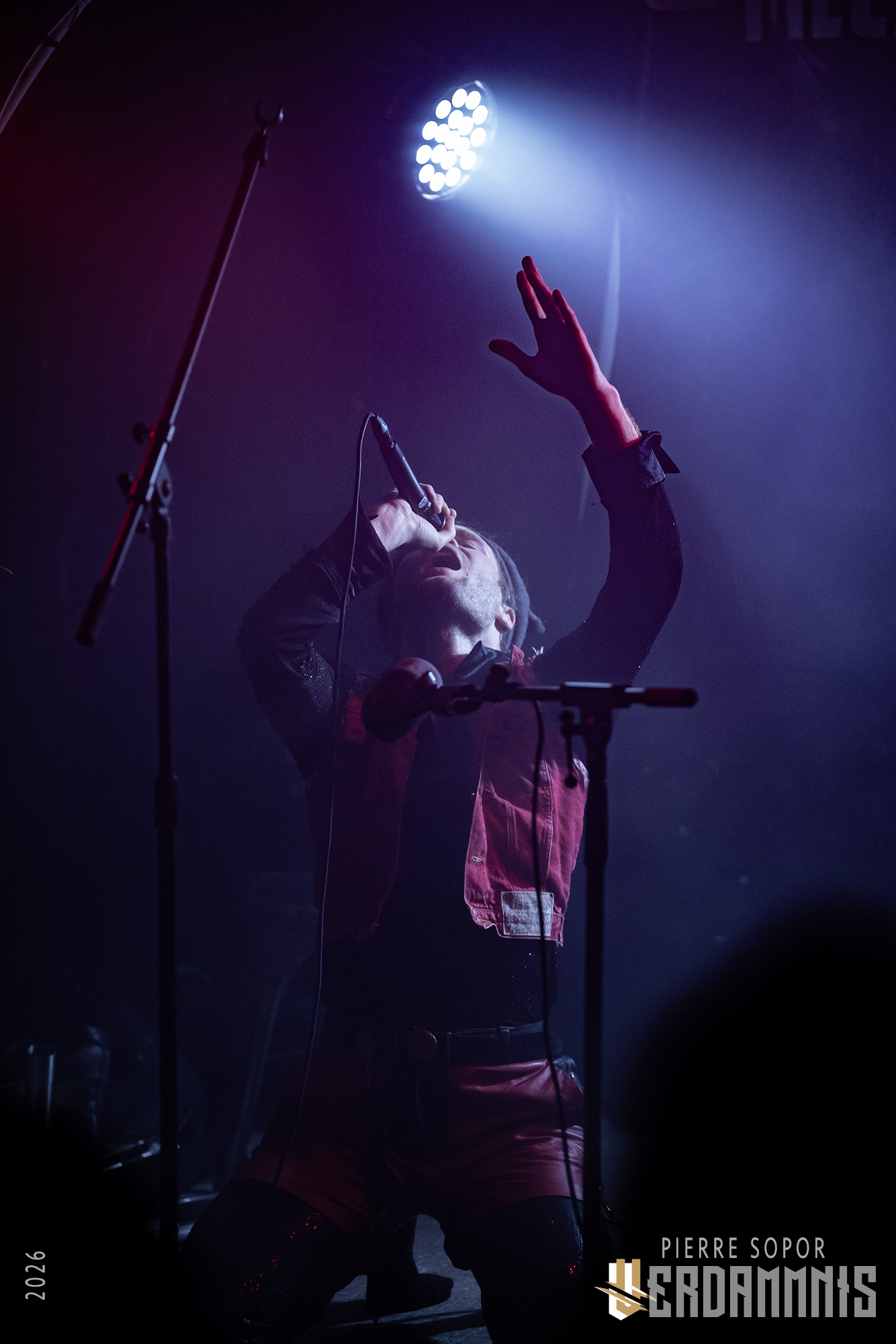
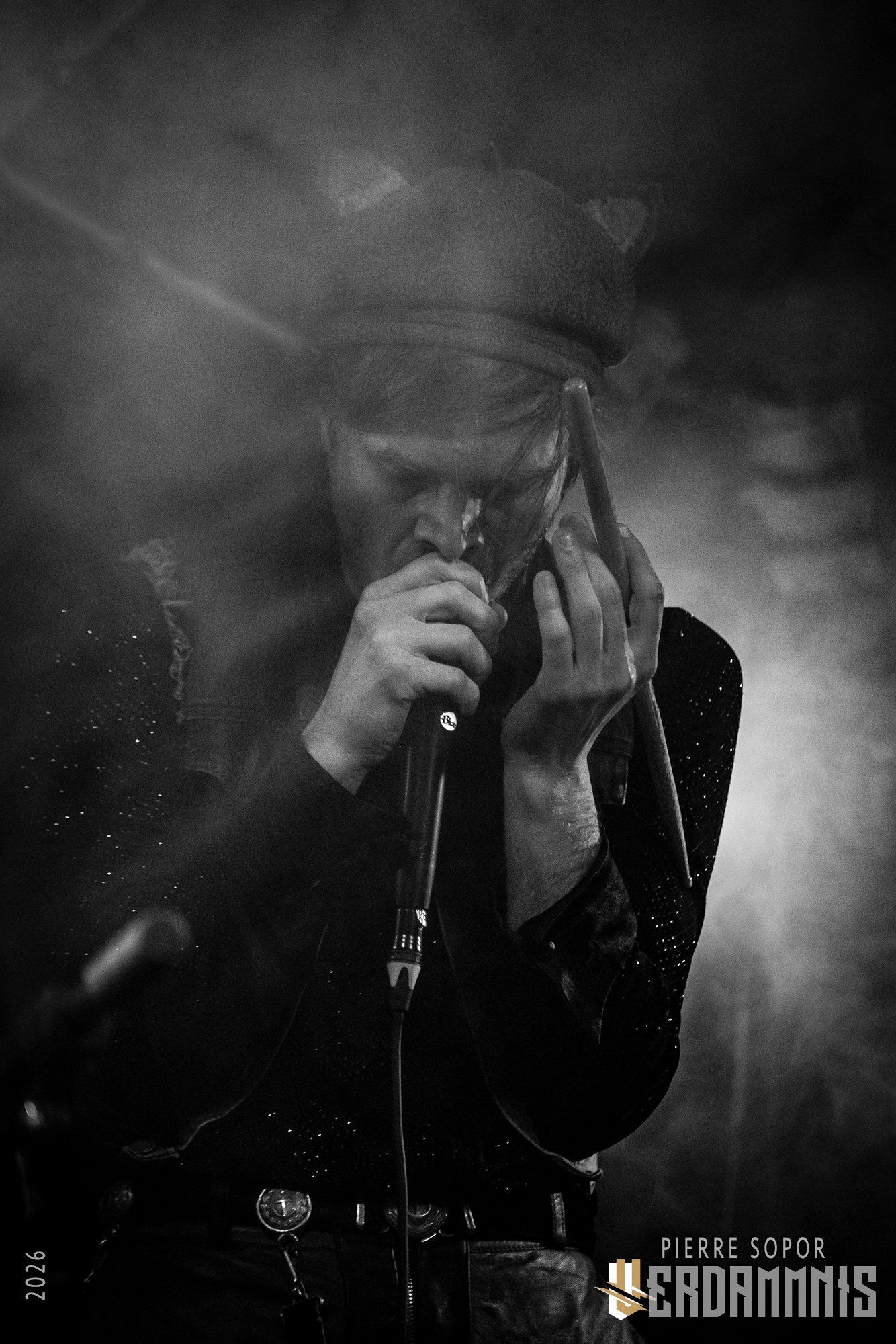
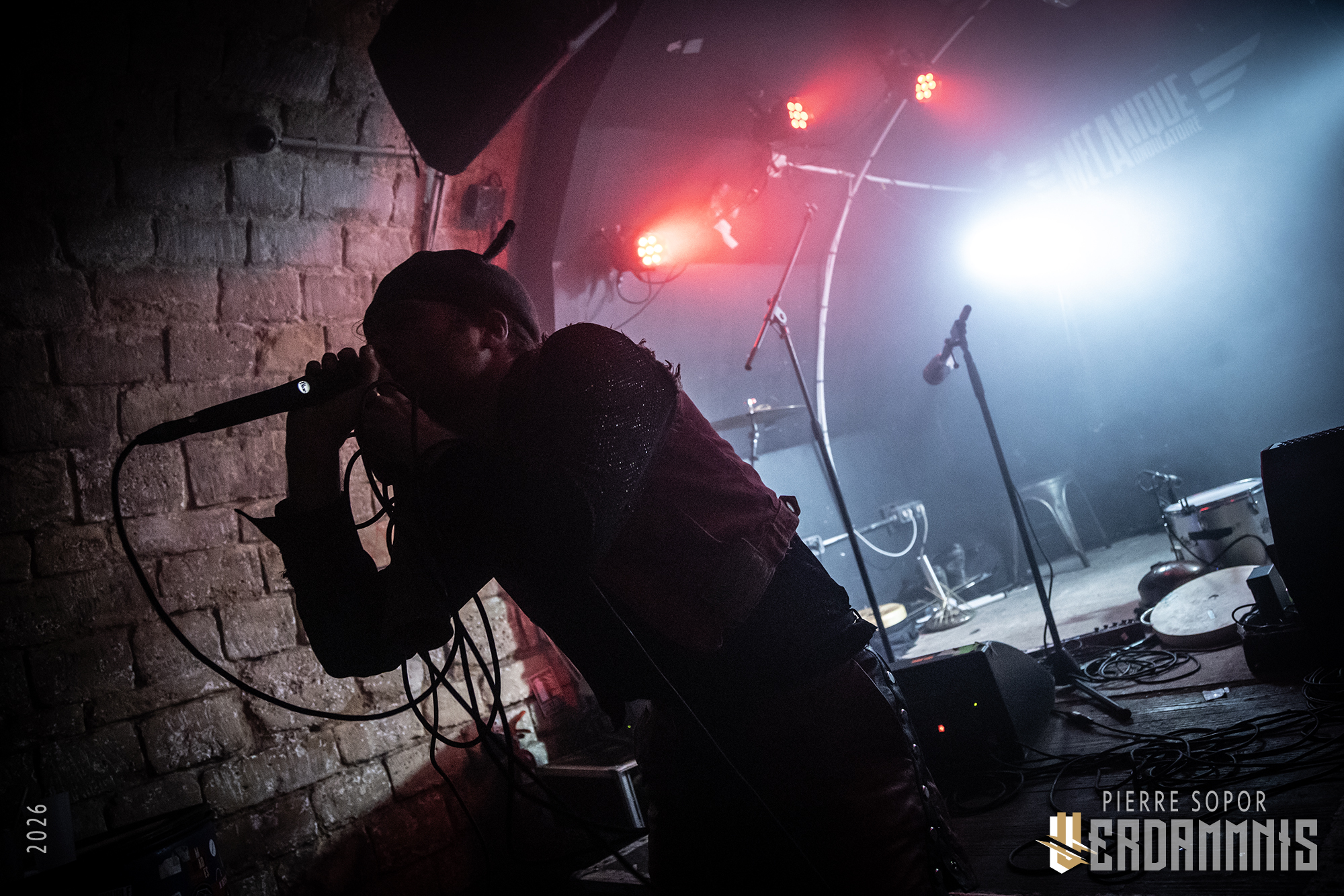
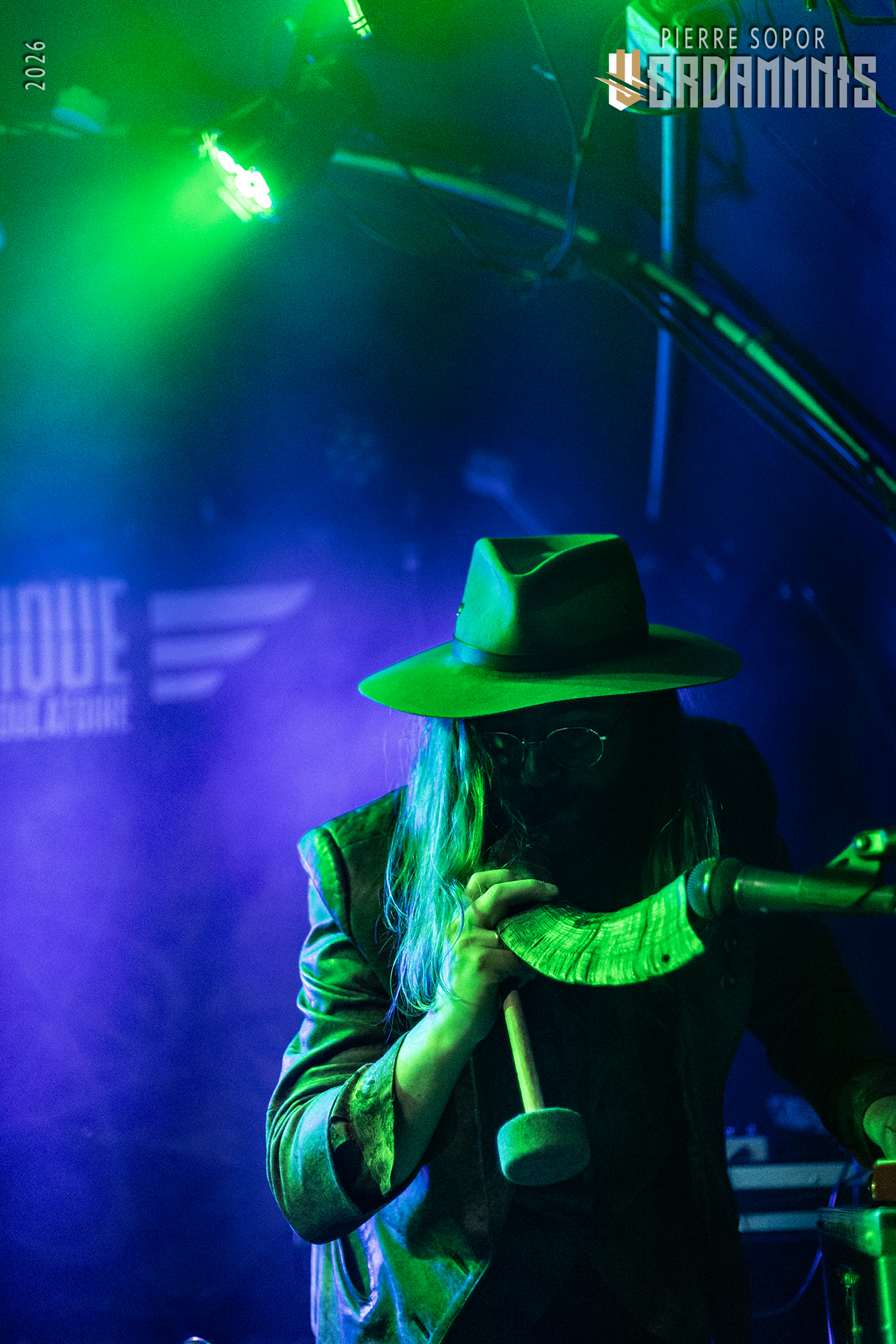
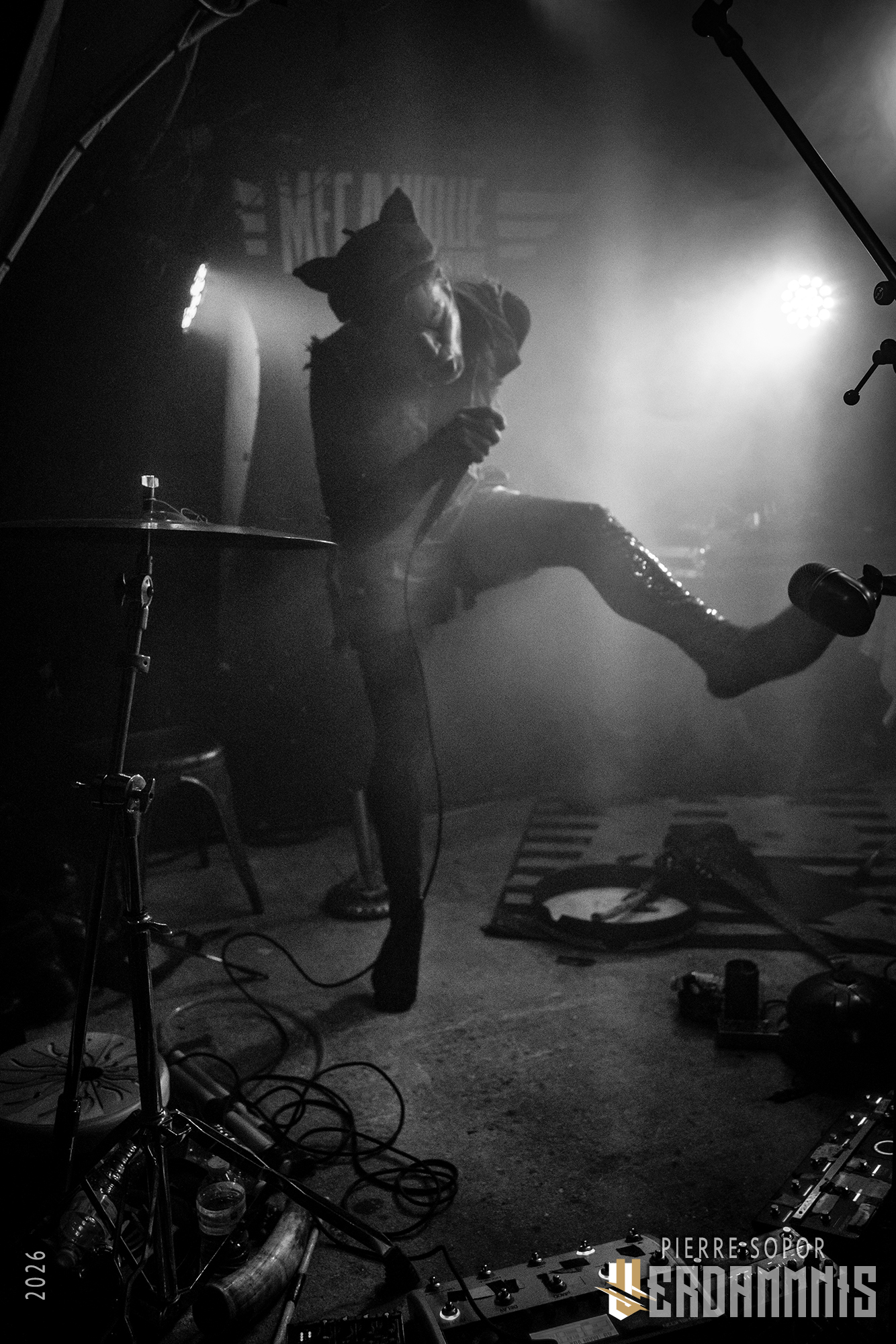
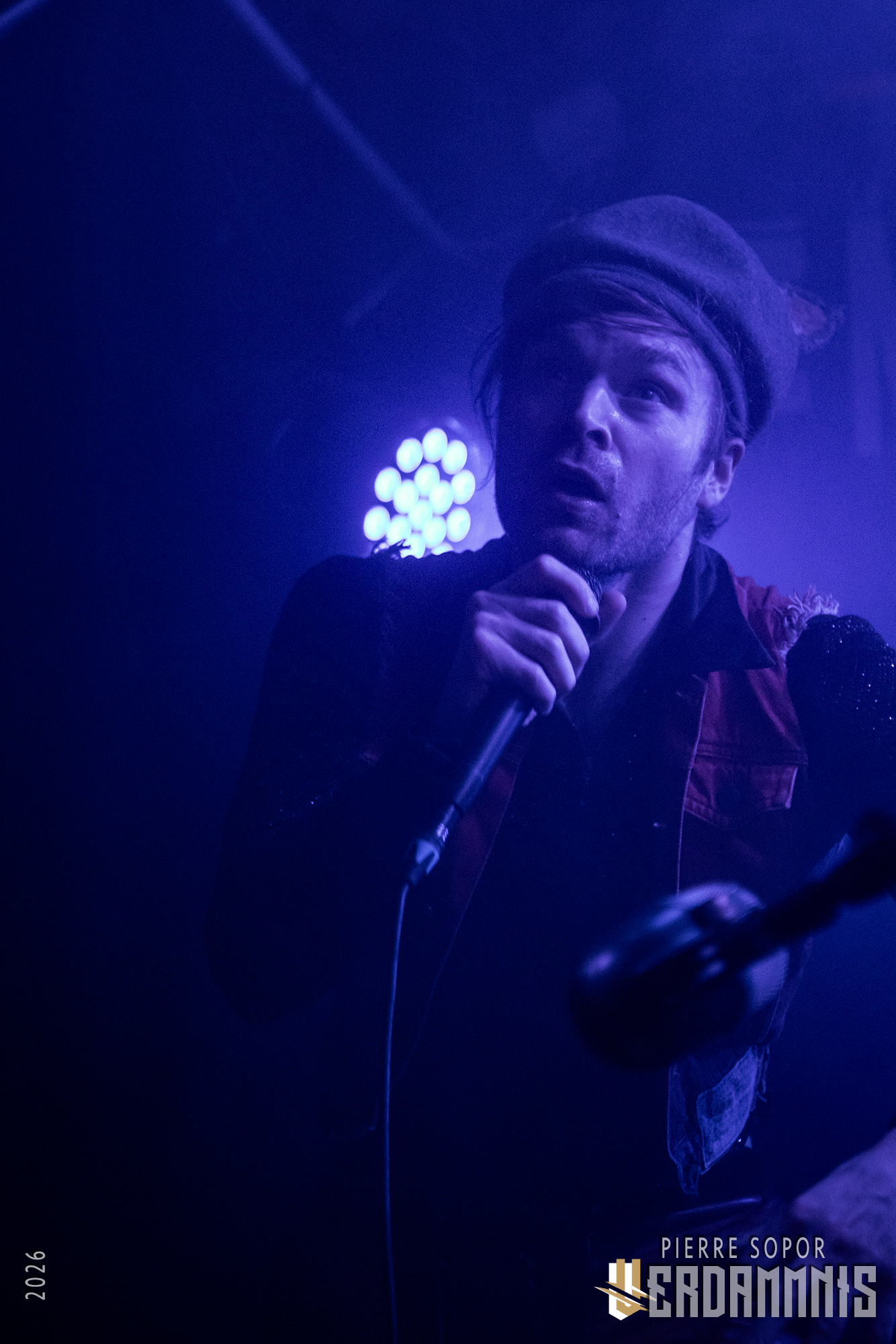
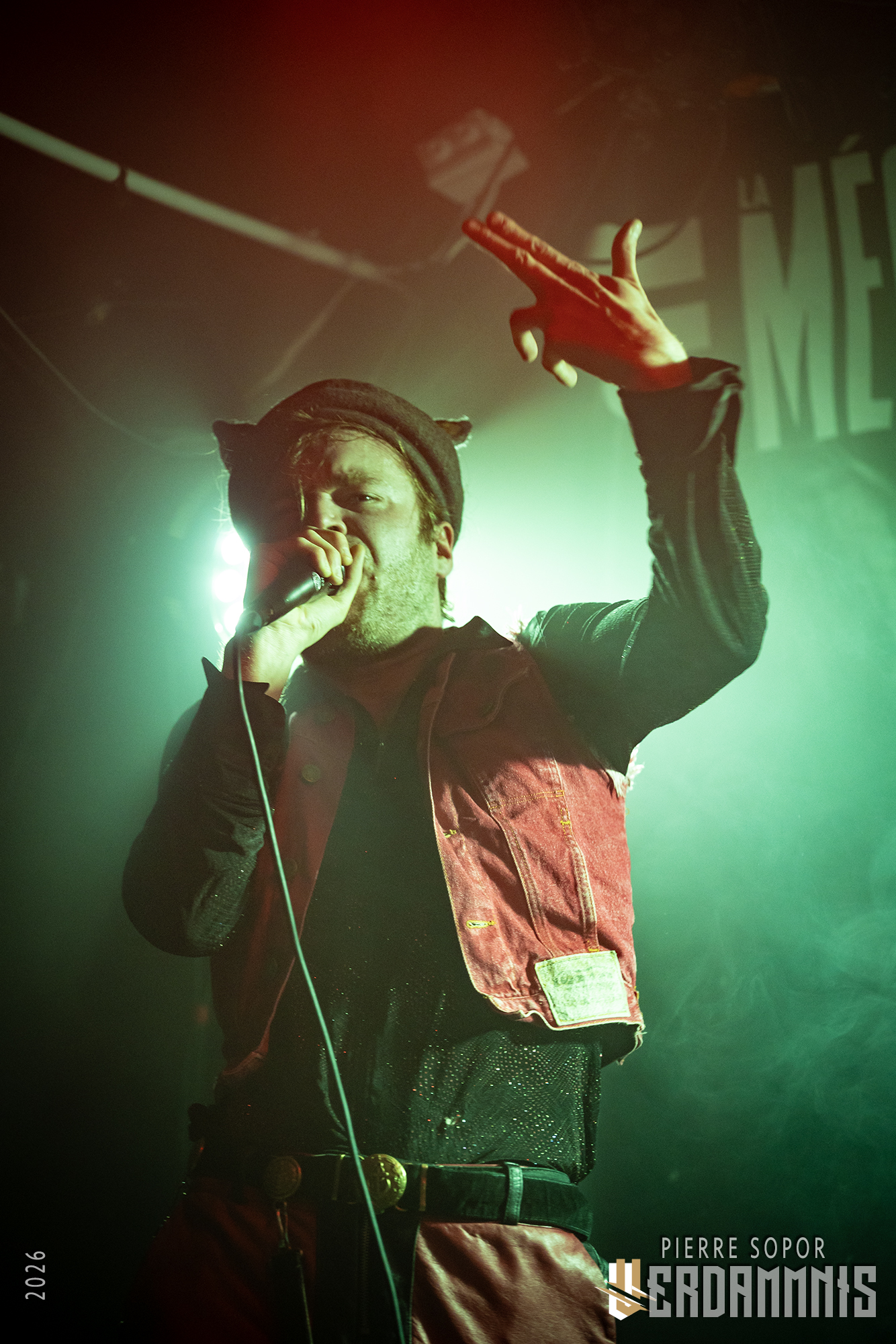
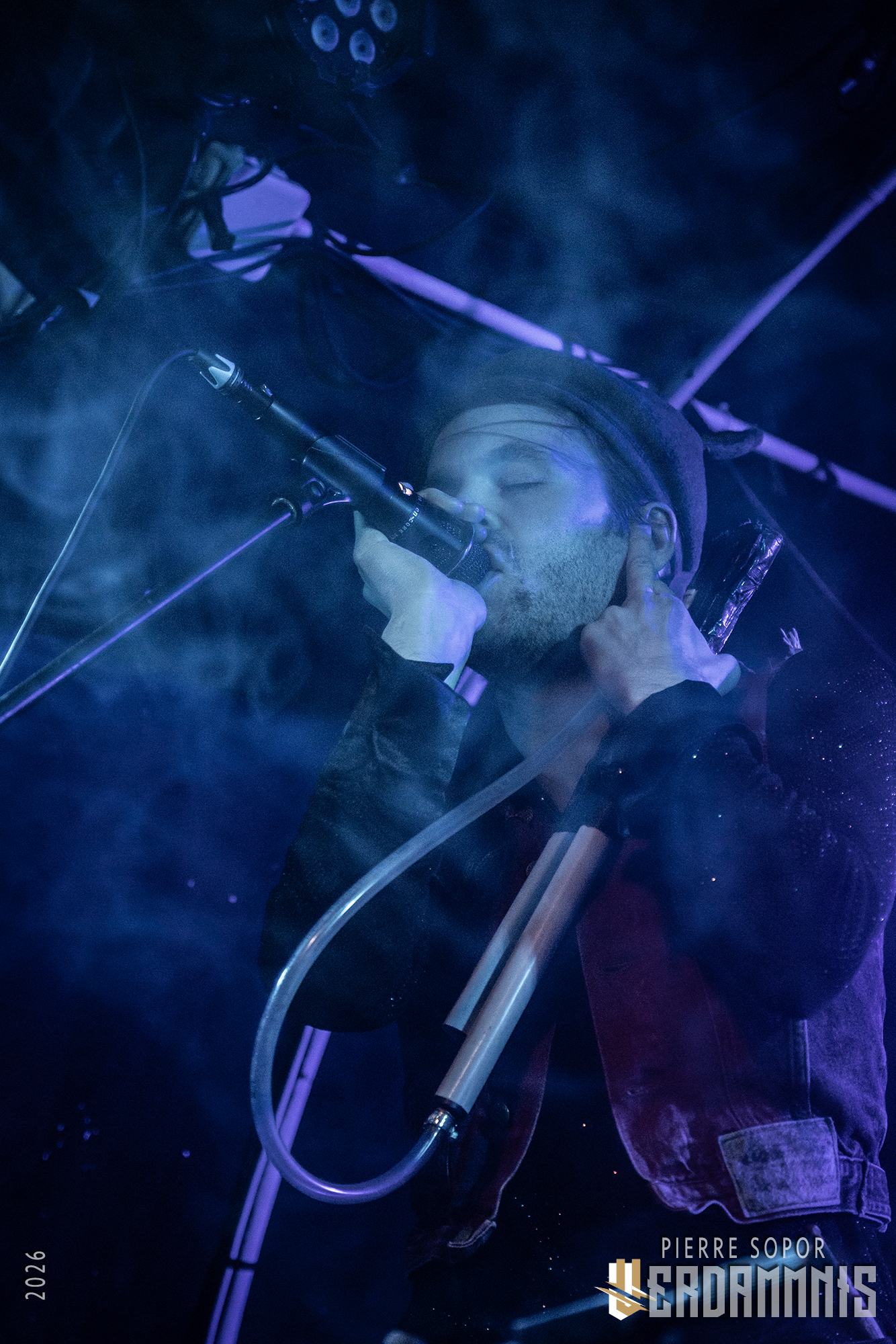
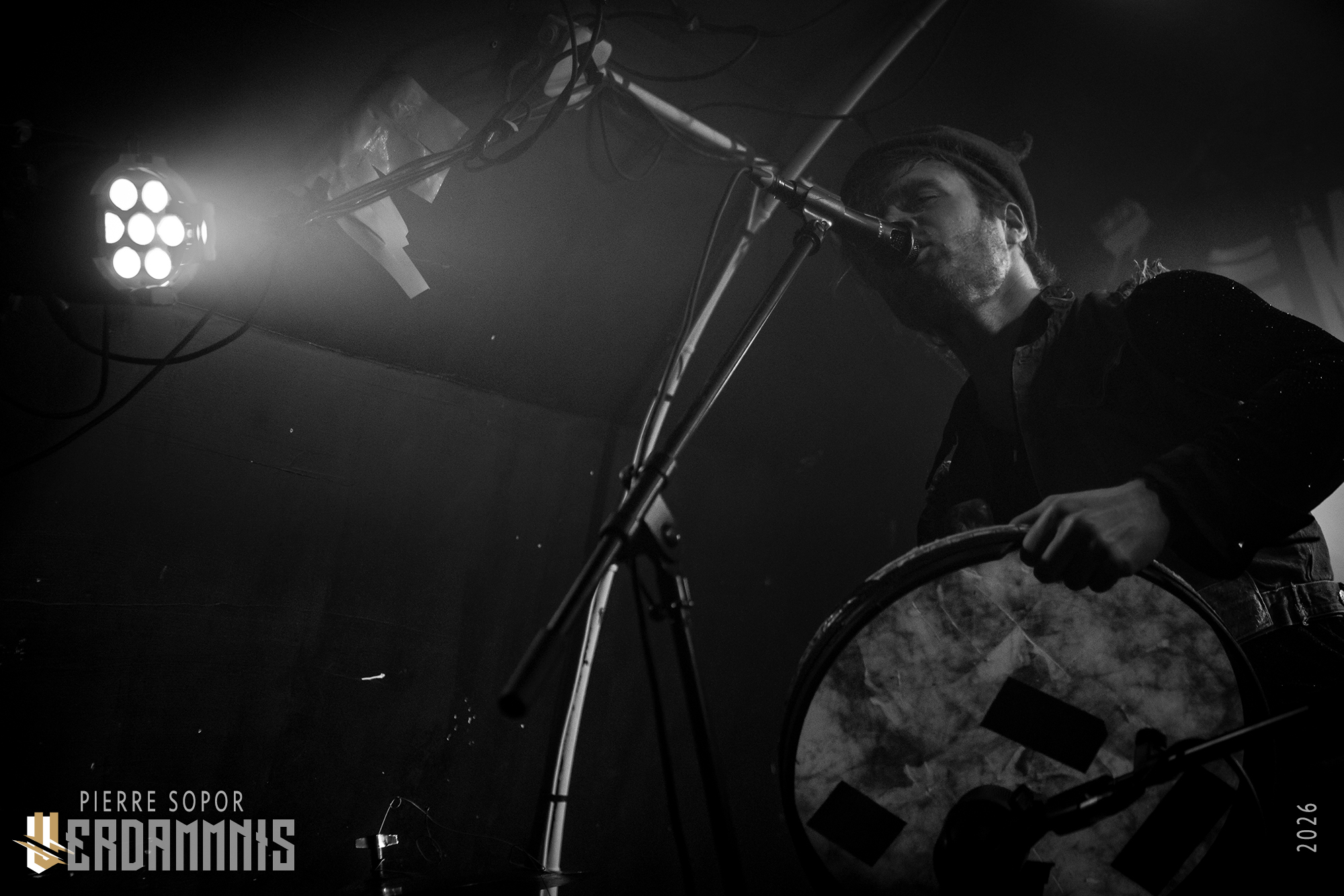
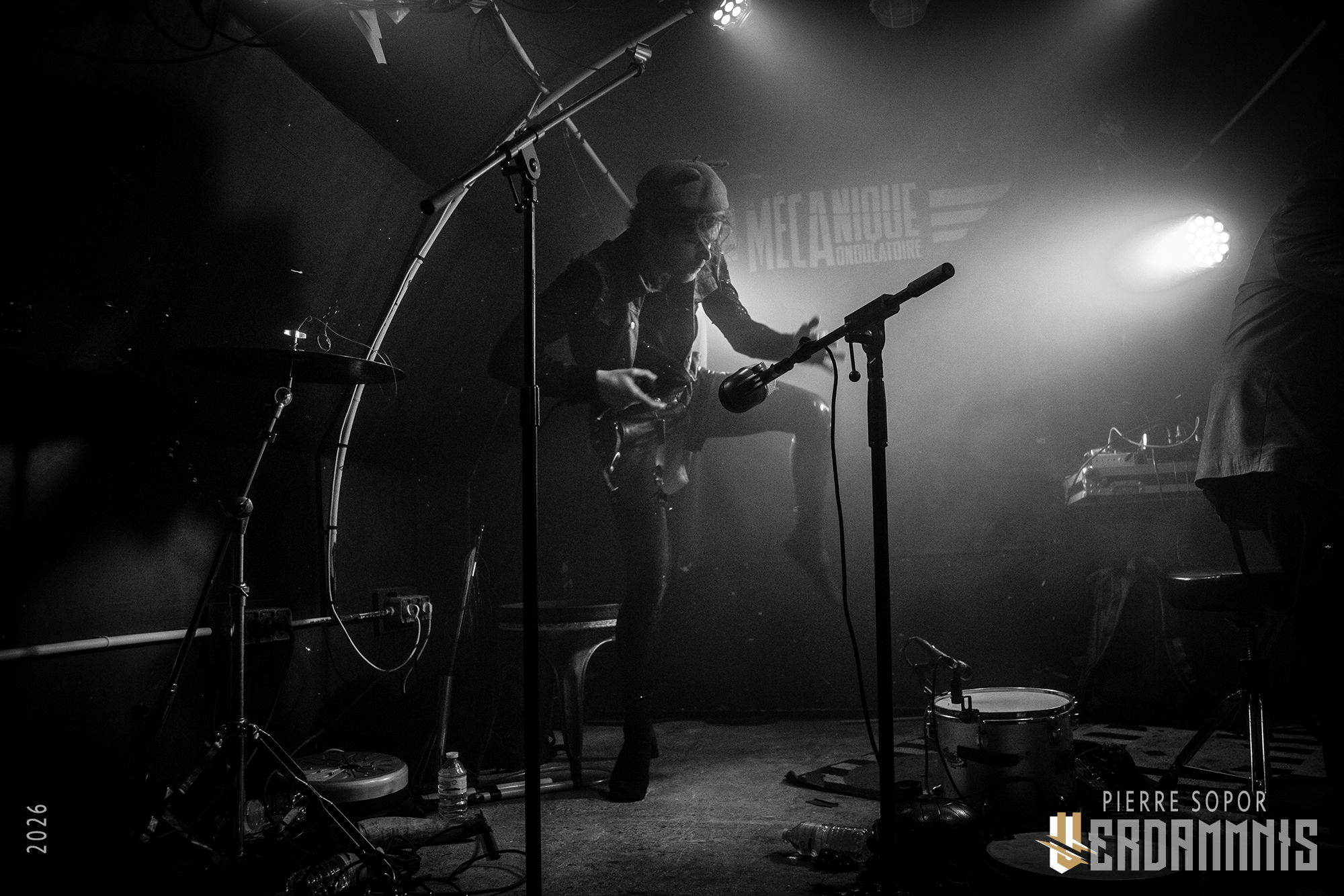
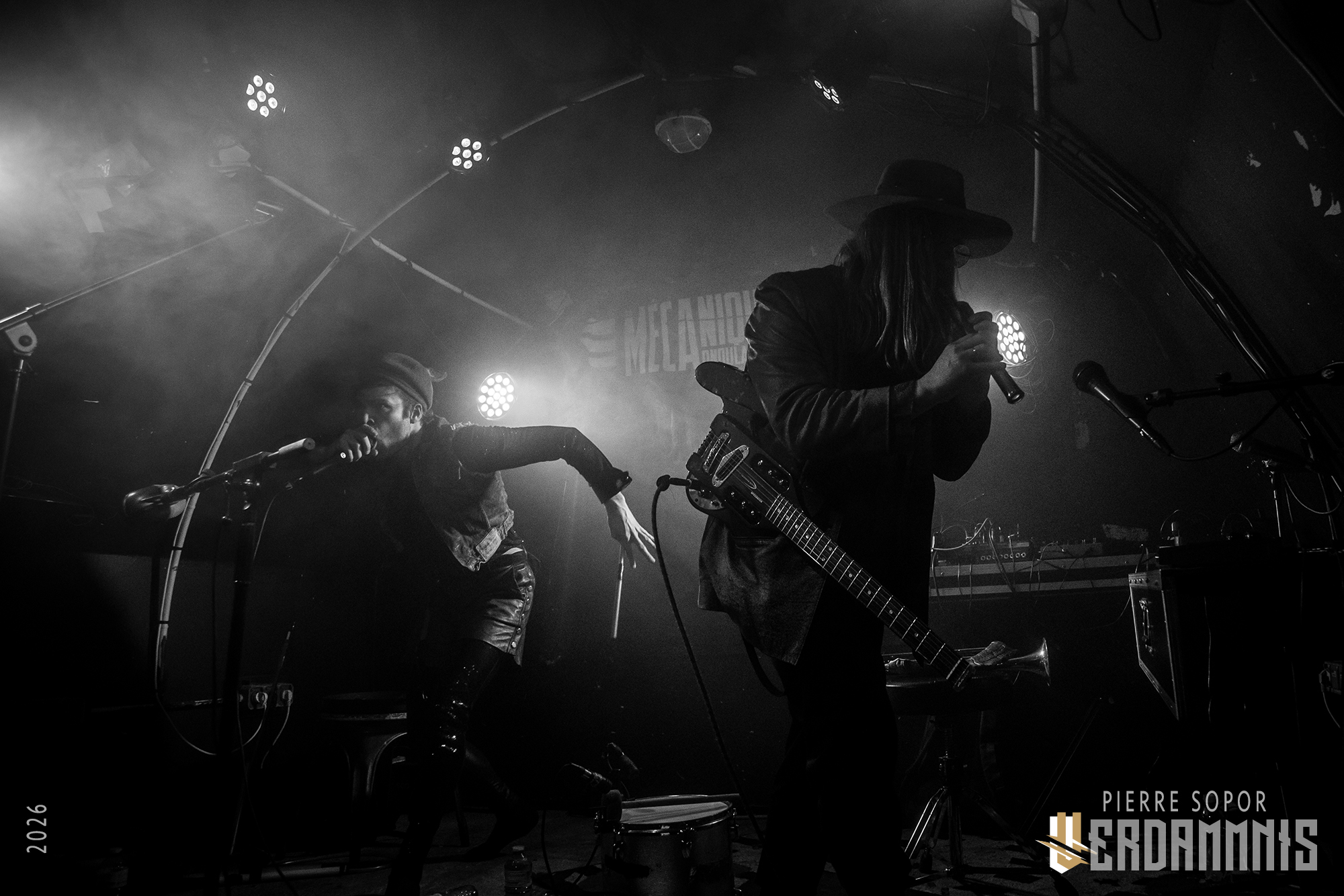
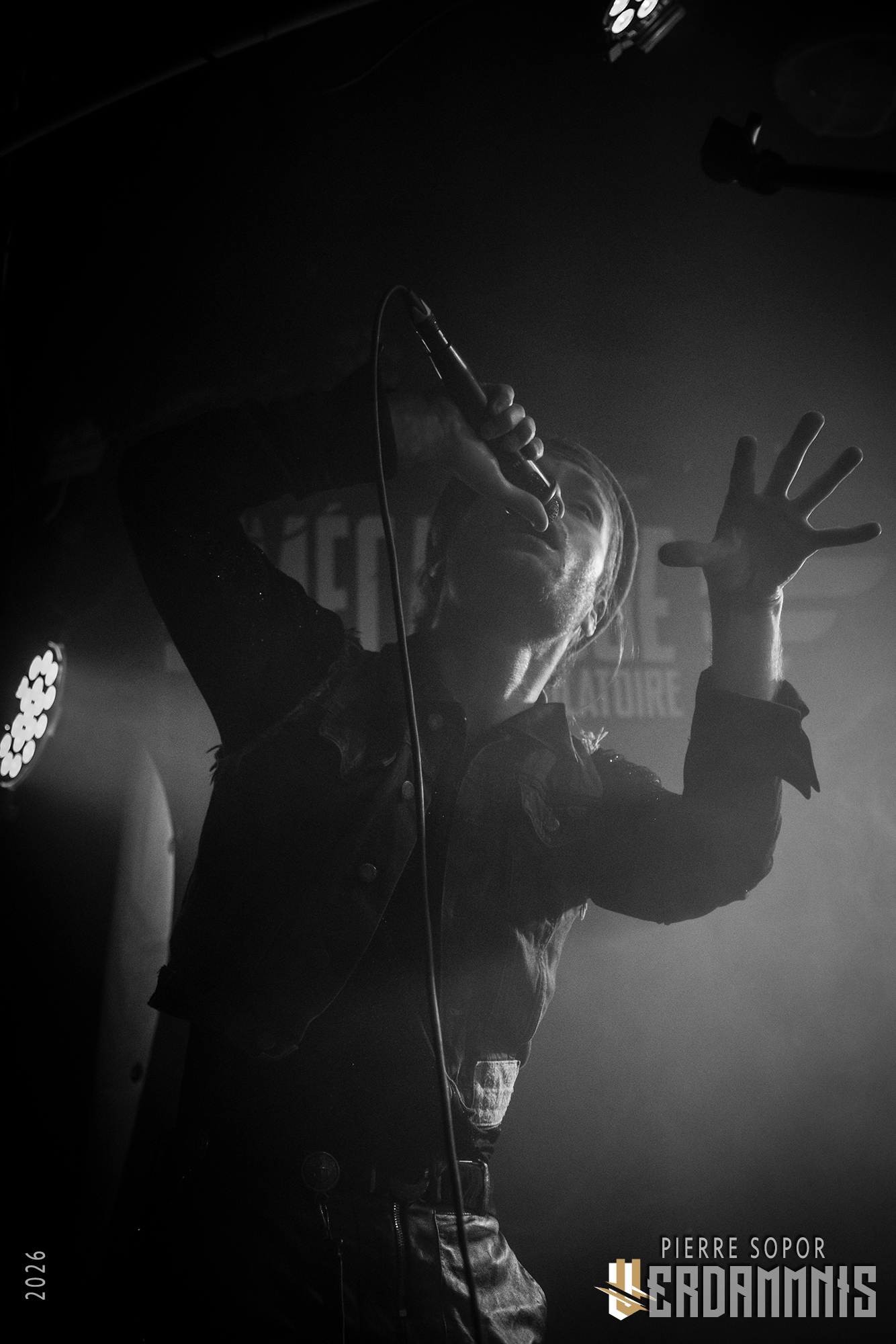
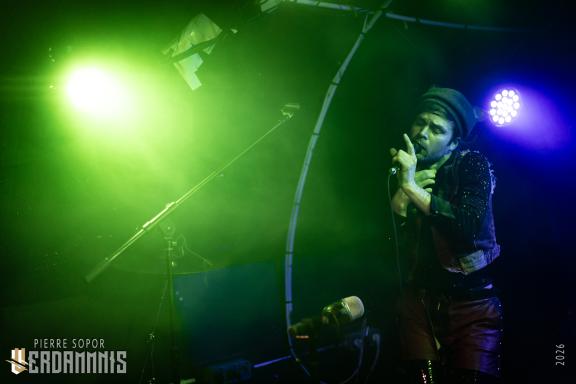
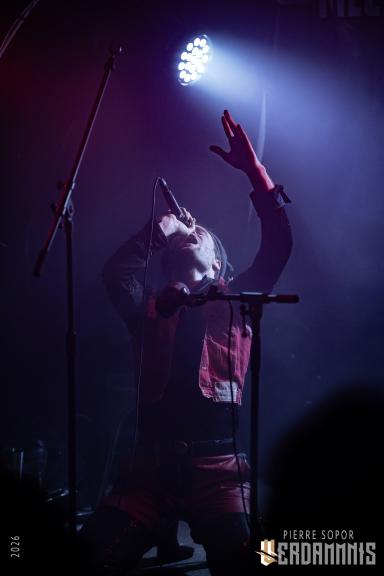
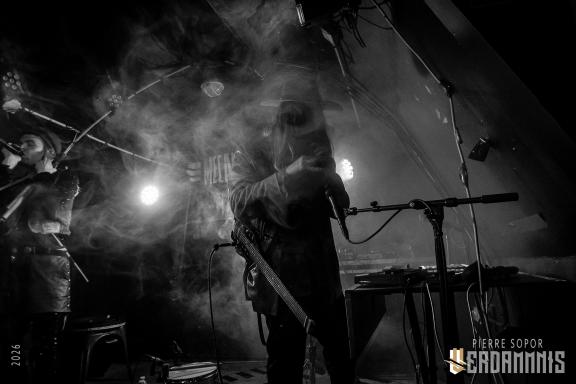
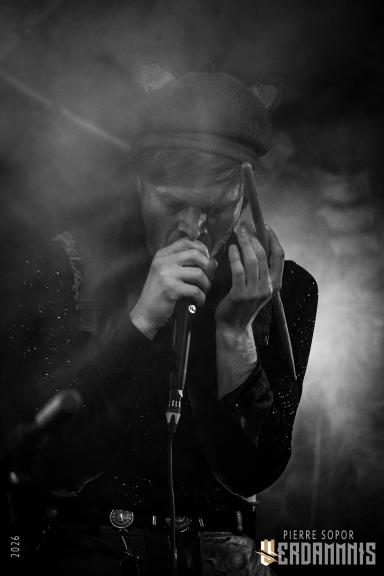
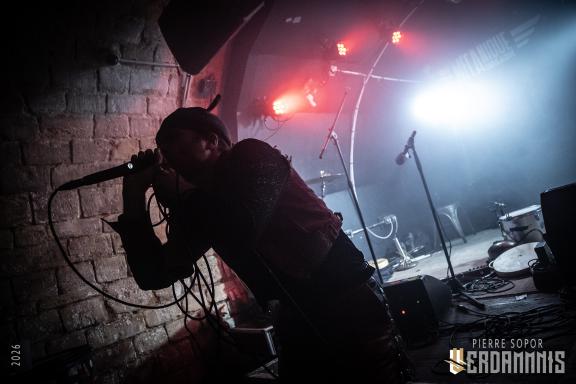
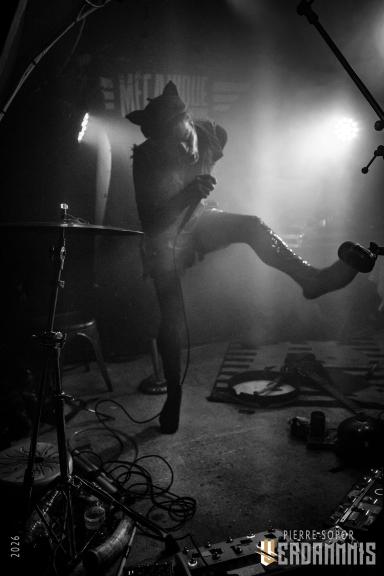
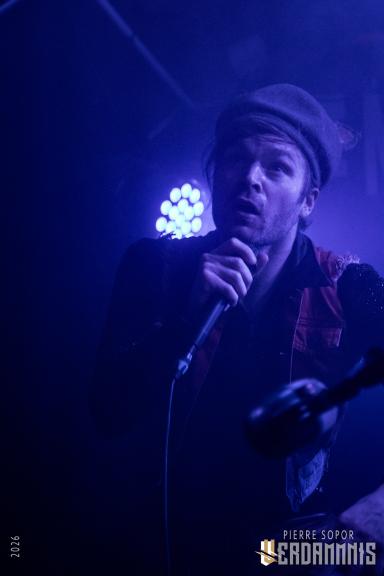
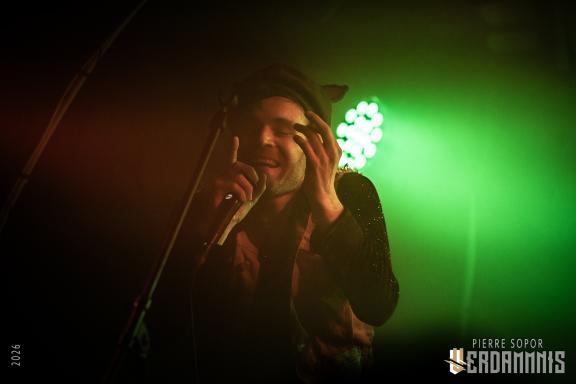
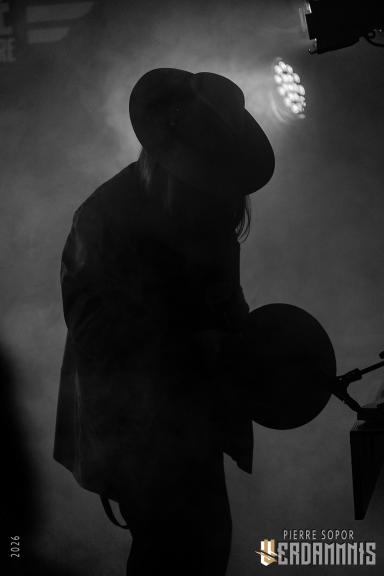
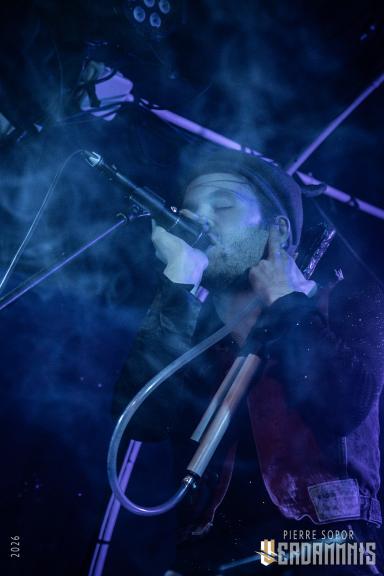
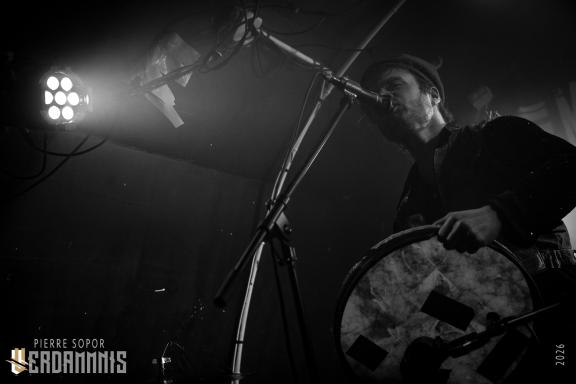
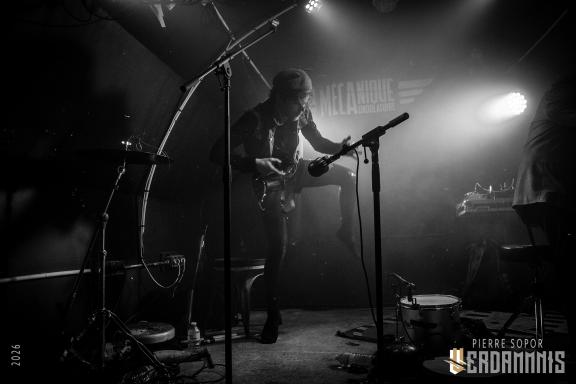
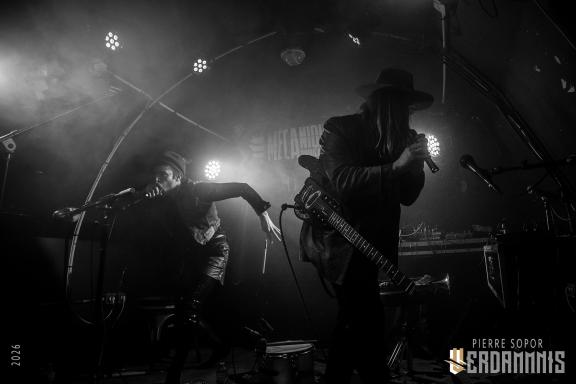
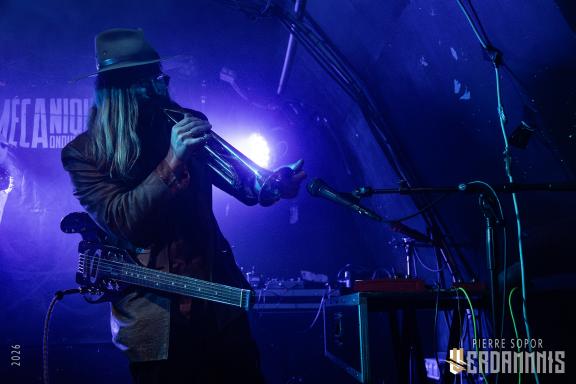
Actually, just forget to define anything. You can try to show off and go and listen to it in the studioand feel like you know what it’s all about. All your efforts will be in vain. You can’t pin down Sturle Dagsland, and you certainly can’t have the faintest idea what this is all about until you’ve seen him on stage. Sturle, in sequinned tights and a pointed-ear hat, is accompanied by his more low-key brother Sjur. The floor is a mess, littered with a jumble of instruments. The concert begins: whoosh, an atmospheric soundscape, hypnotic percussion, shamanic throat singing – a bit like Heilung, actually. And then suddenly Sturle contorts himself, starts making shrill noises and kicks his cymbal. wait, what?
The tracks are named after onomatopoeia and mouth noises (except for the one named after the sound a bottle neck makes when you blow into it). “The next track is called Gniihiihihihi glouglouglou krkrkrkrkrkrkkr hihihihihi,” he explains. Sturle writhes, jumps, practises karate with himself and his instruments; his voice is impressive in the high notes, his singing somewhere between that of a Mogwai and a balloon whose membrane is being tortured. Sturle and Sjur take us somewhere between a night with David Lynch and the psychedelic reveries of a facetious leprechaun who’s had one too many fairy dusts.
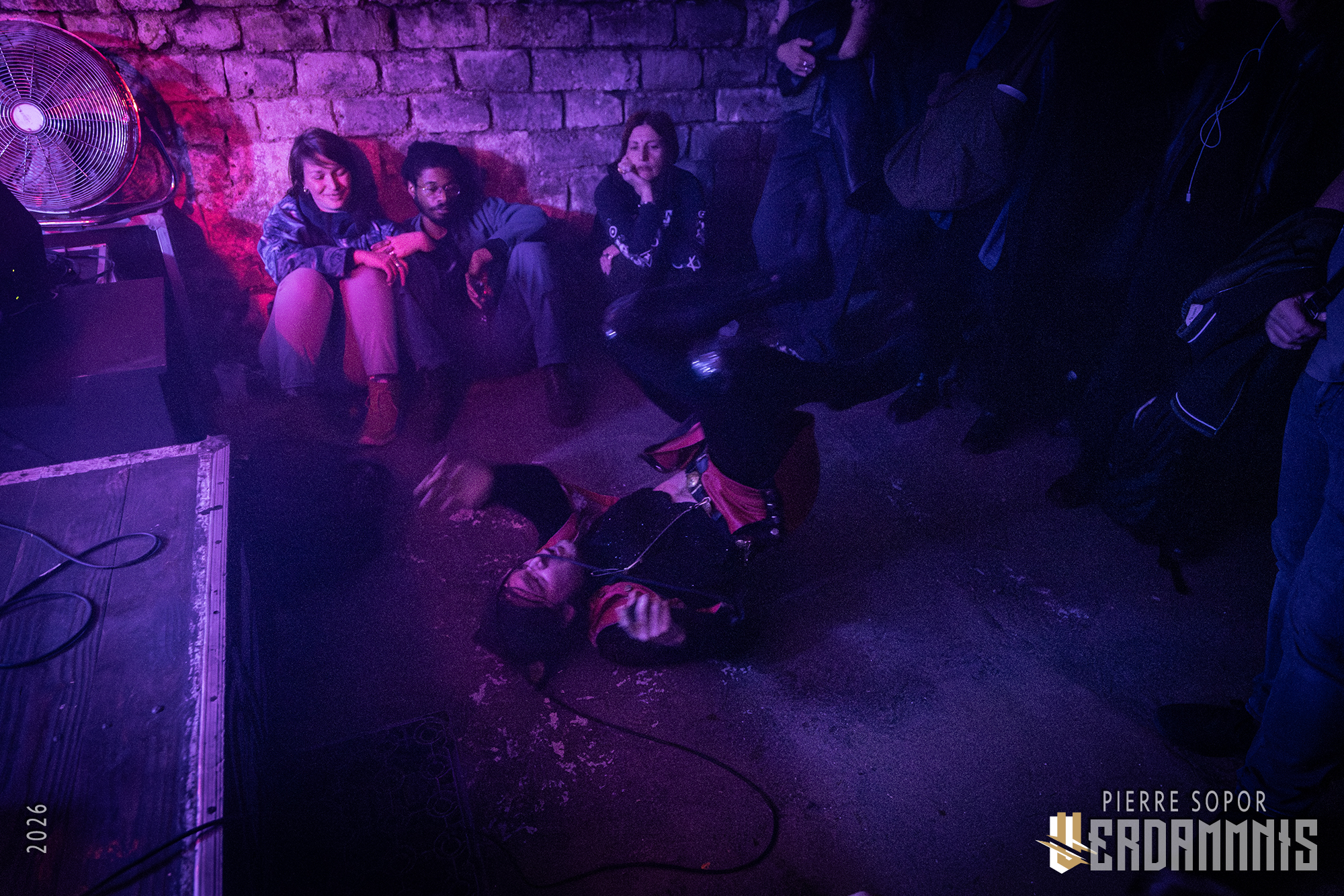
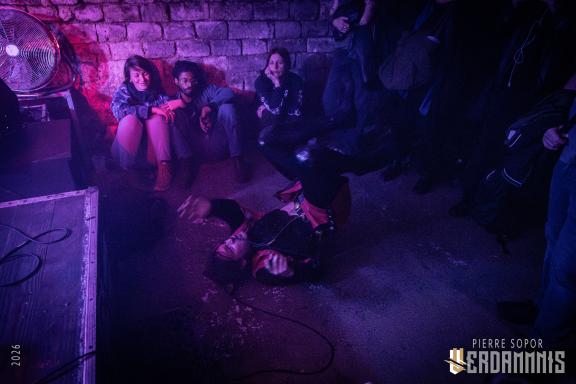
The audience is spellbound, amused by this performance that borders on being over the top but is sincere enough not to be ridiculous. There’s a certain poetry to this gentle madness, to this absurdity. You might laugh, but the show is also striking in its mastery, even if it sometimes seems completely improvised. Then Sturle jumps in the audience and roll around on the floor a bit, just for the sake of it. Something really did happen there. We don’t really know what, mind you… but whereas a few months ago in the same venue we saw a bloke in his knickers with a cape playing black metal, drumming with his feet whilst his hands were busy with the guitar (it was Nuit Noire), we were once again able to experience something all too rare: surprise, the real kind, the sort that leaves us in a state of utter bewilderment. In fact, we have no idea if any of this actually happened.


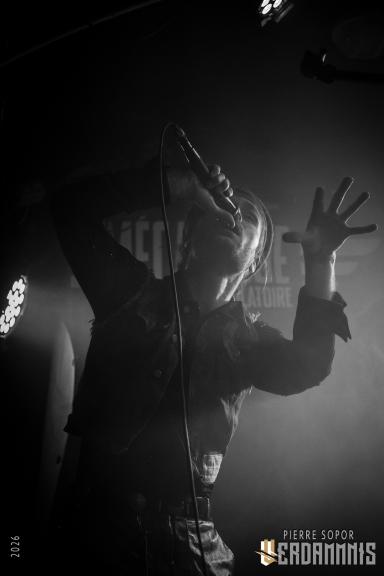
MAI MAI MAI
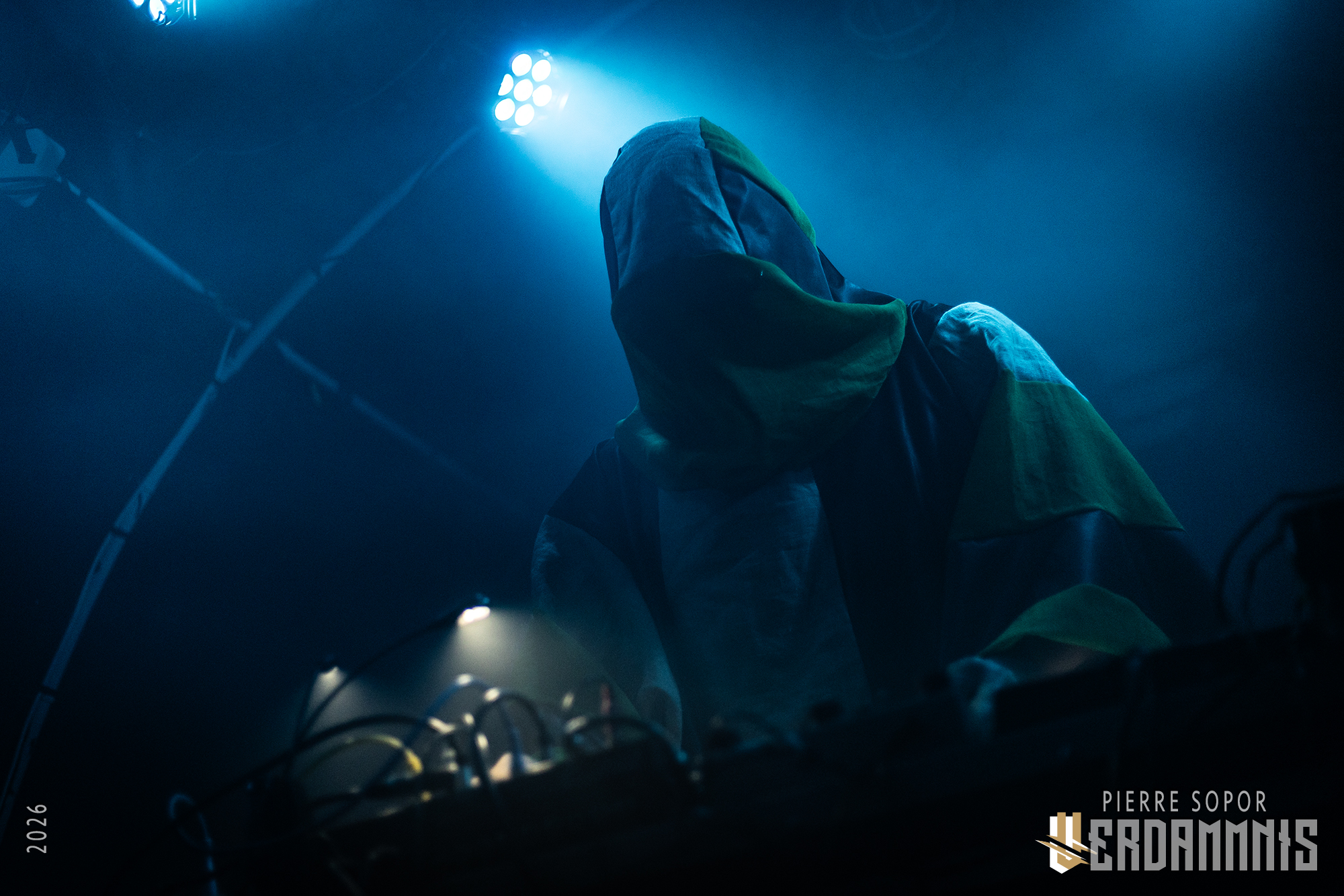
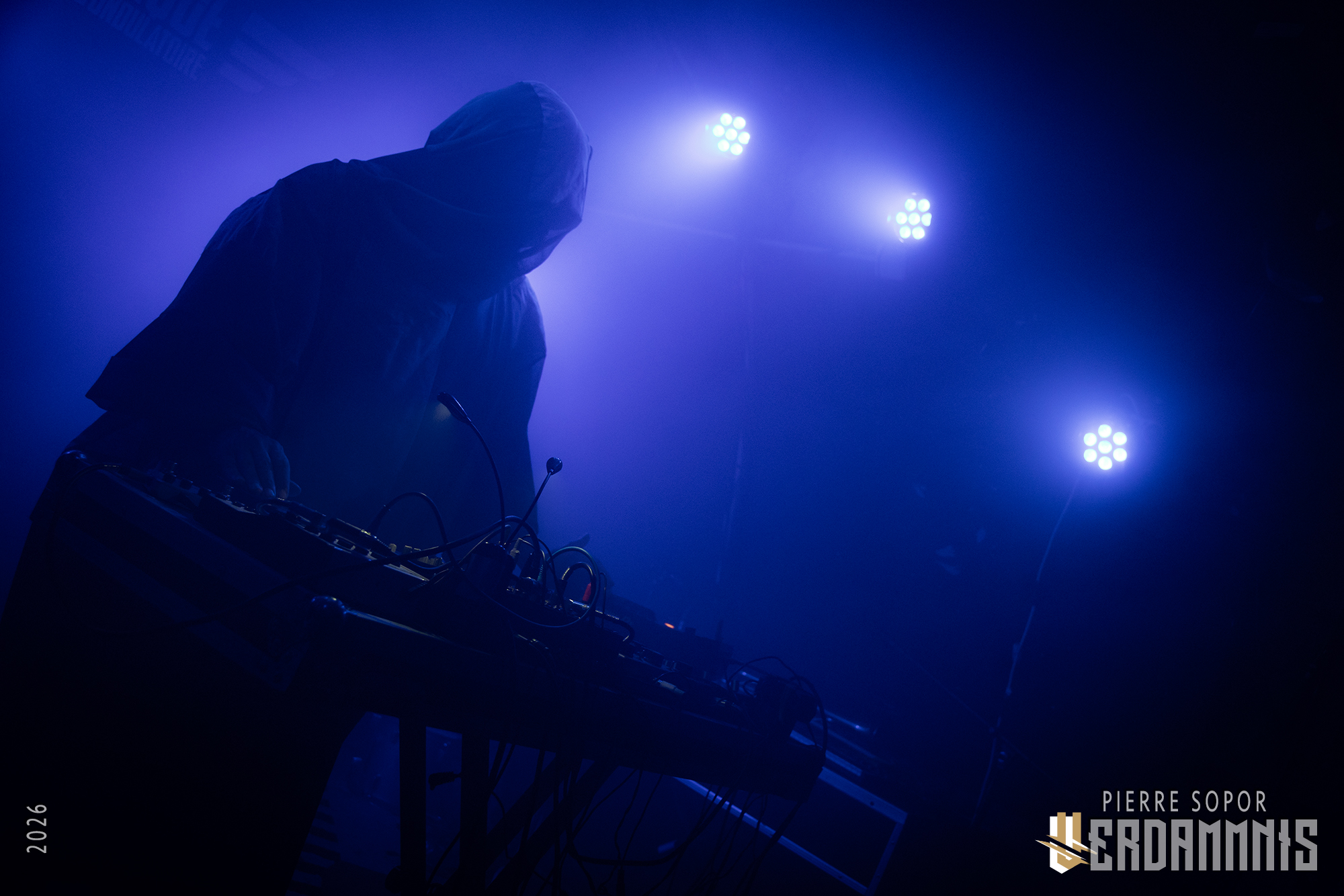
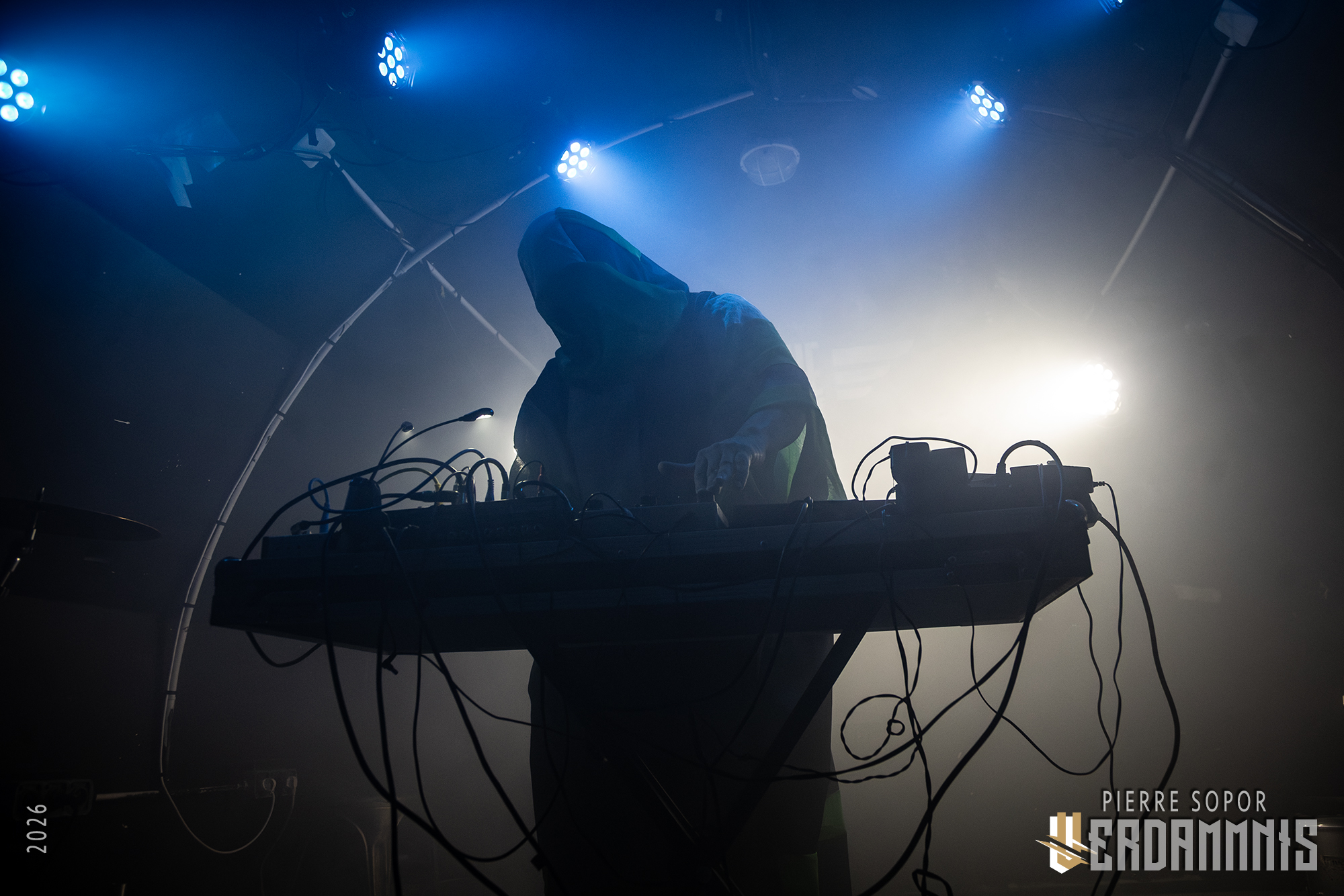
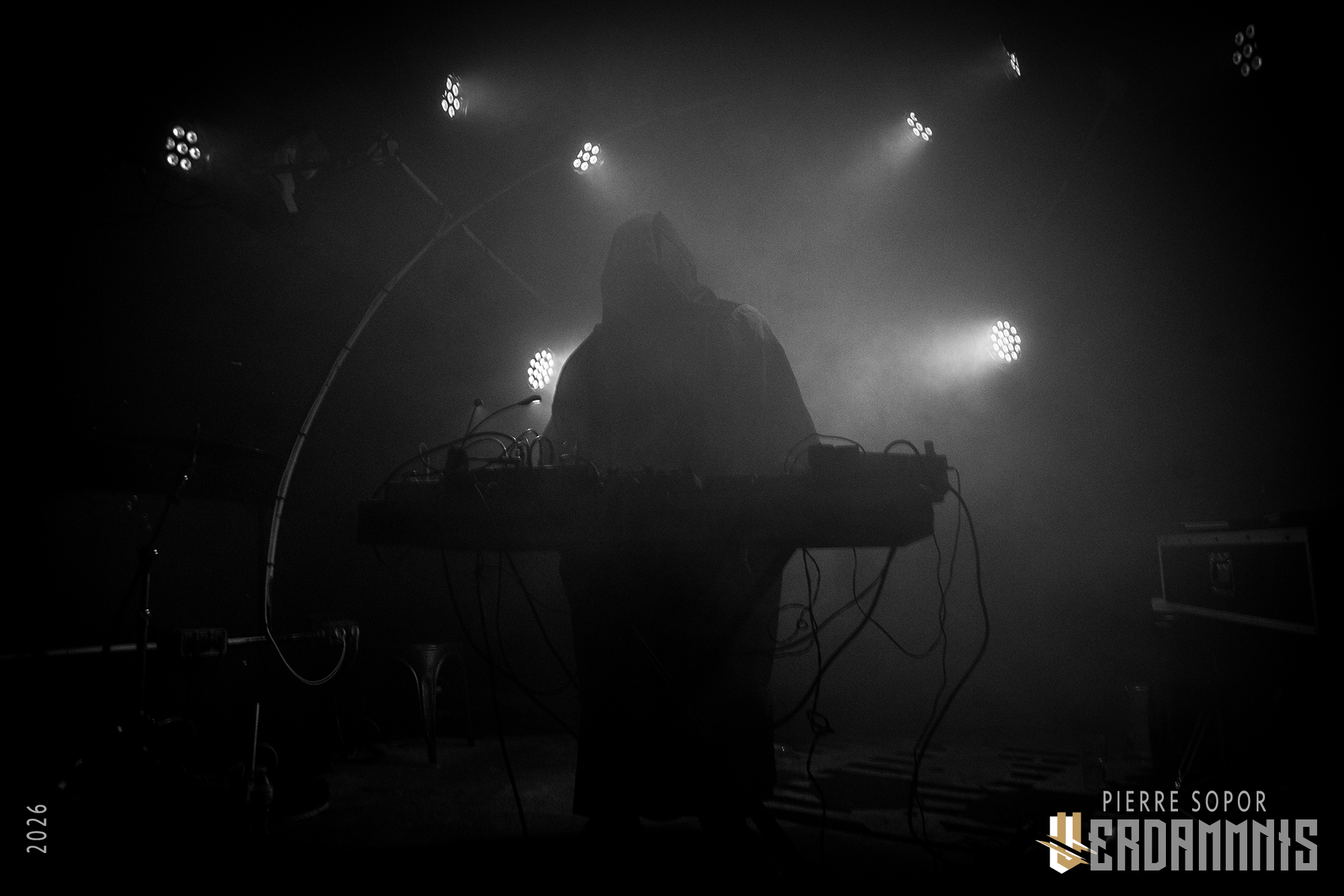
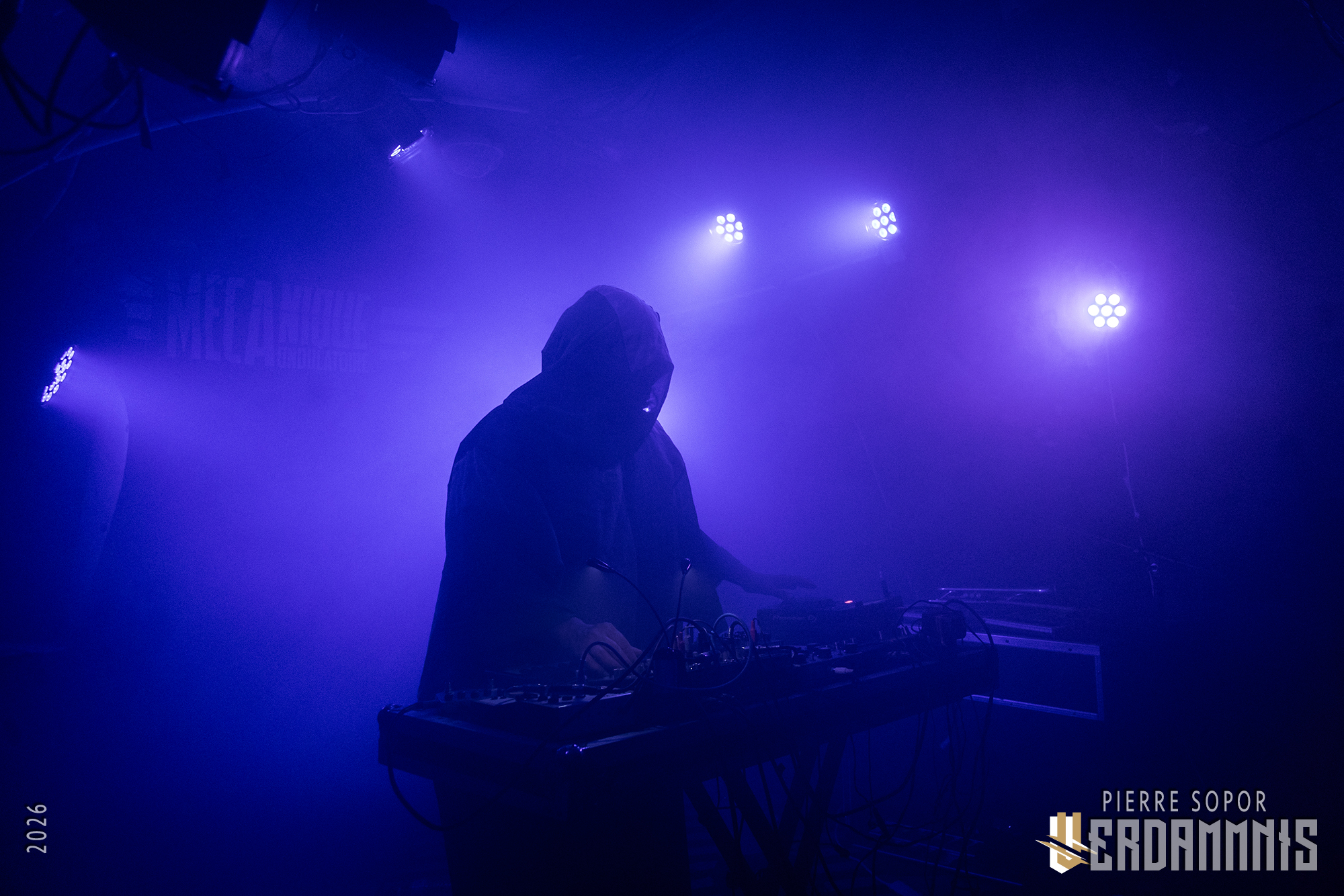
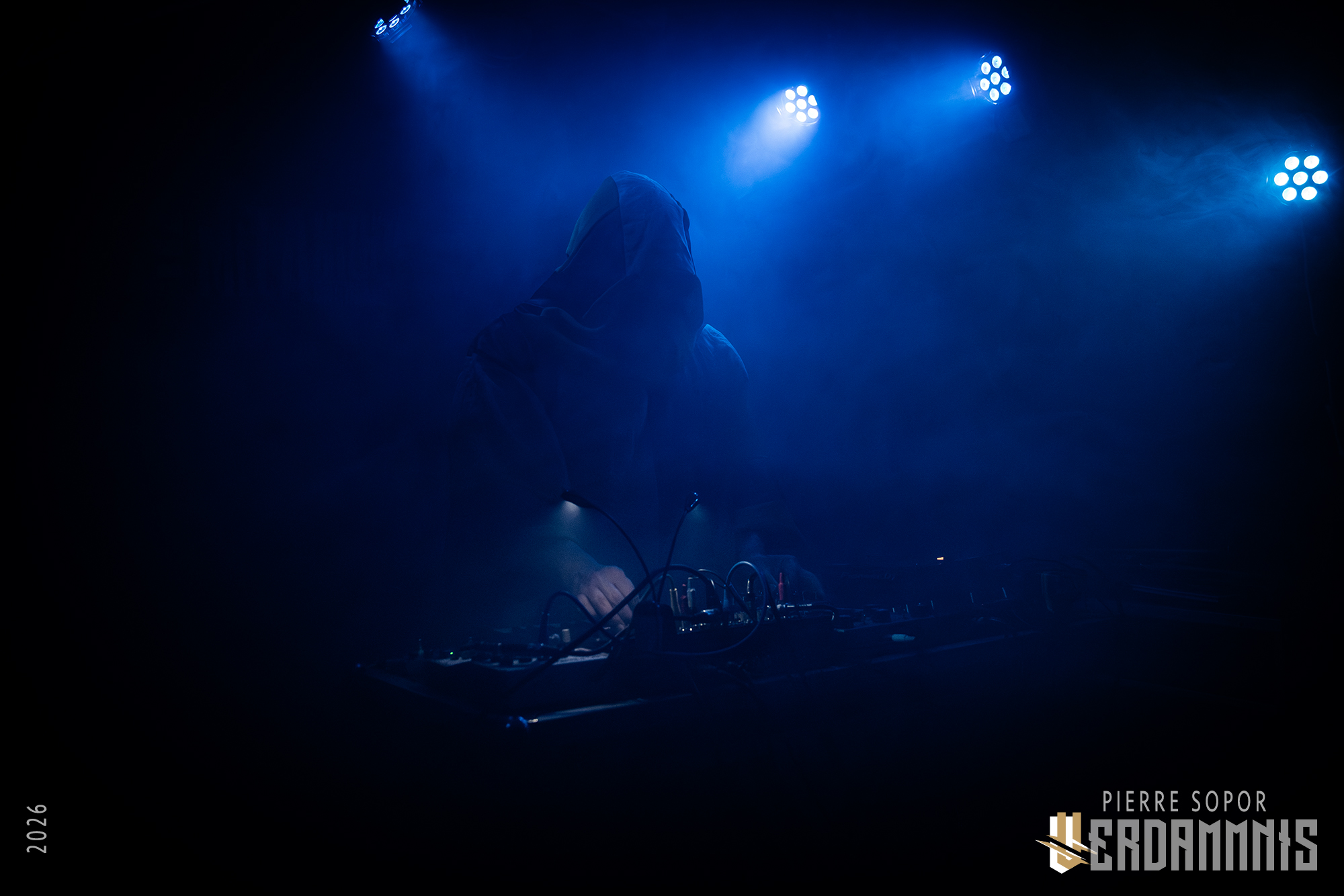
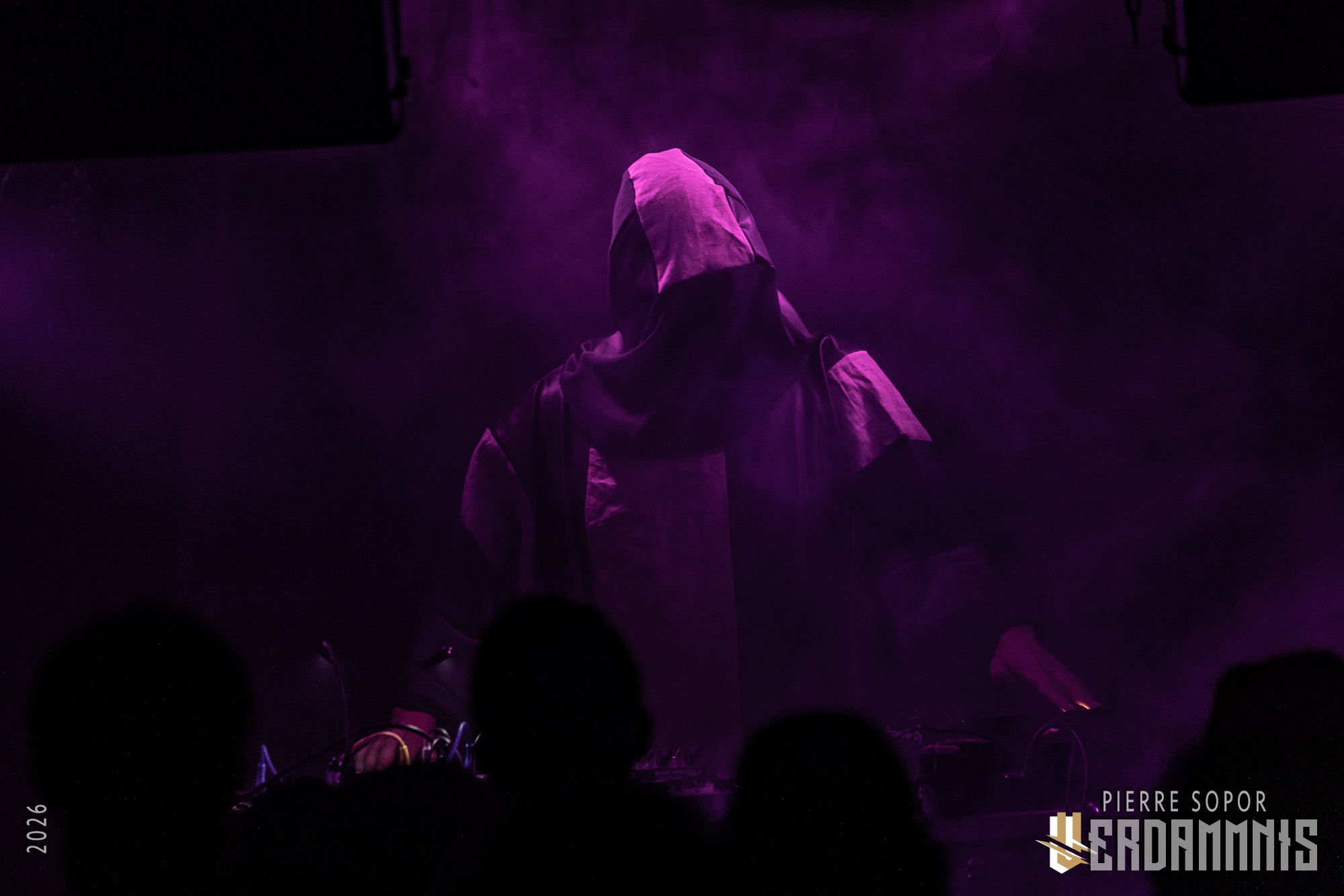
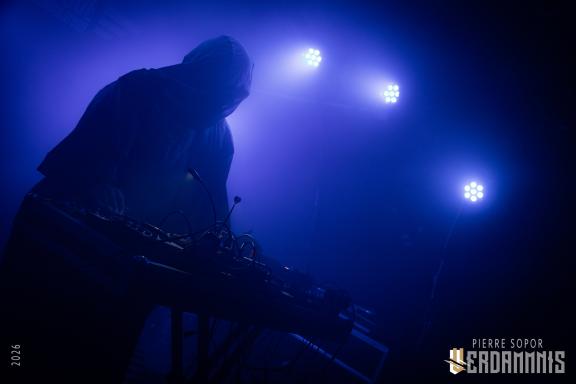
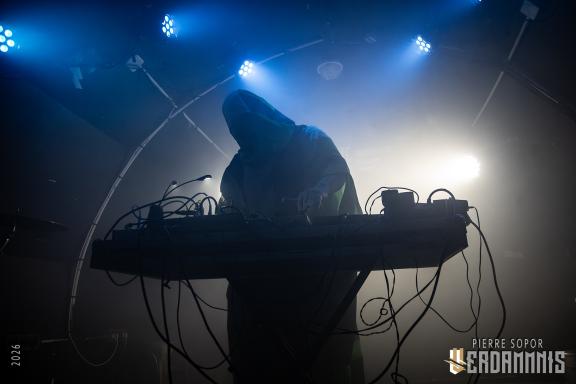
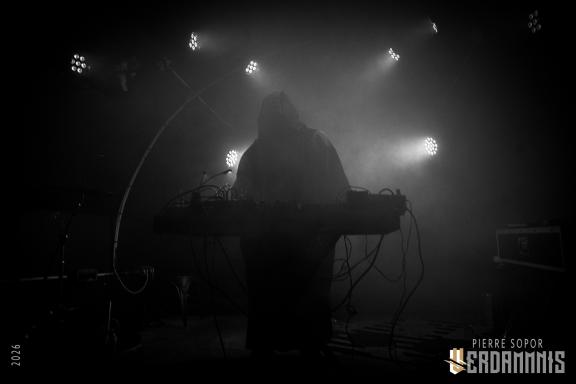
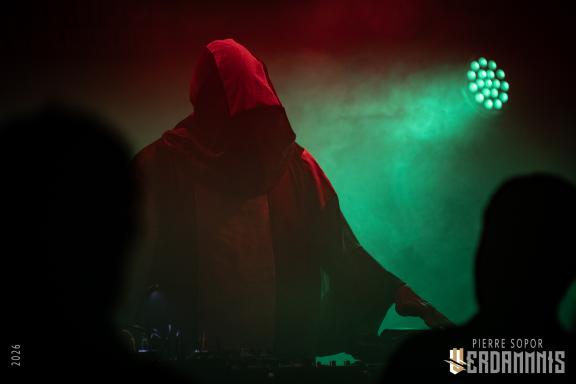
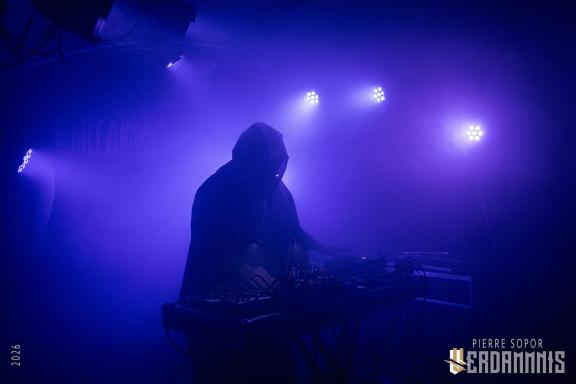
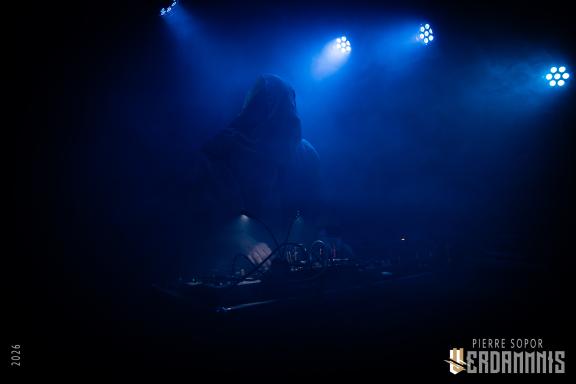
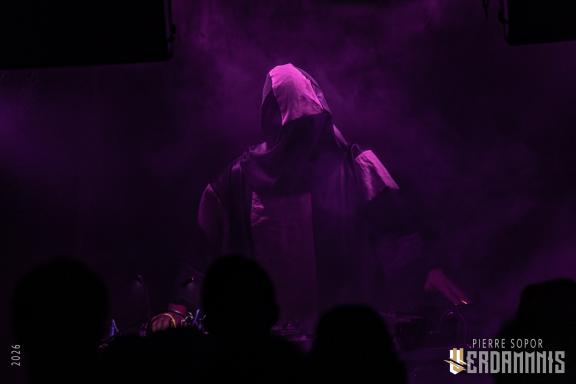
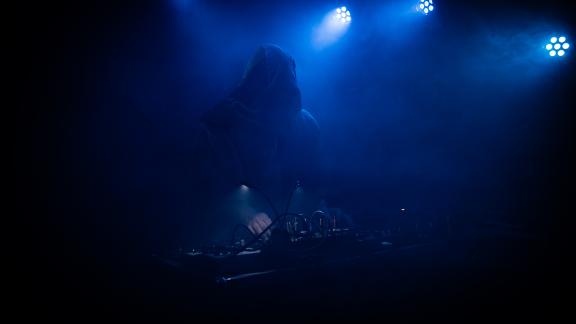
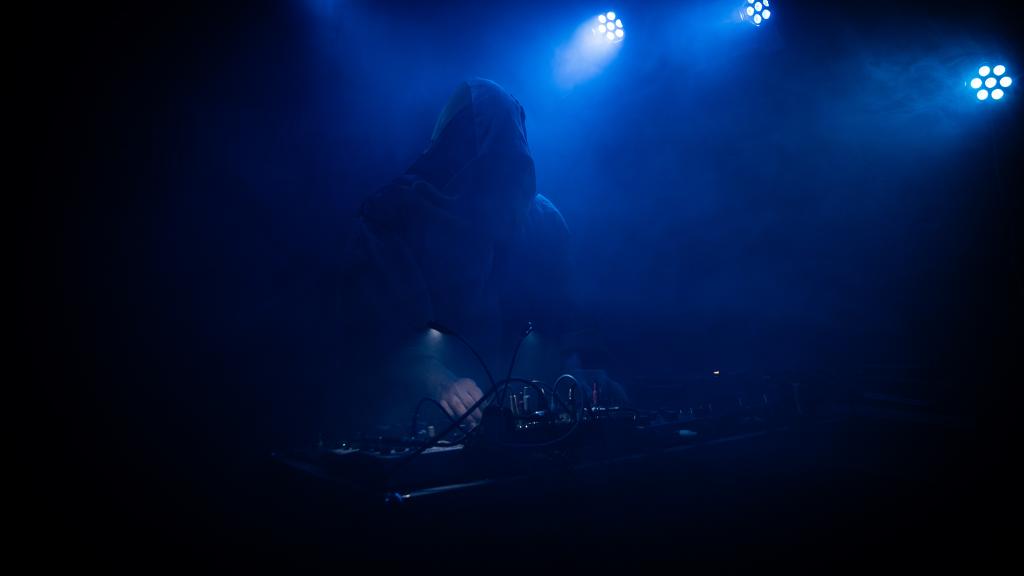
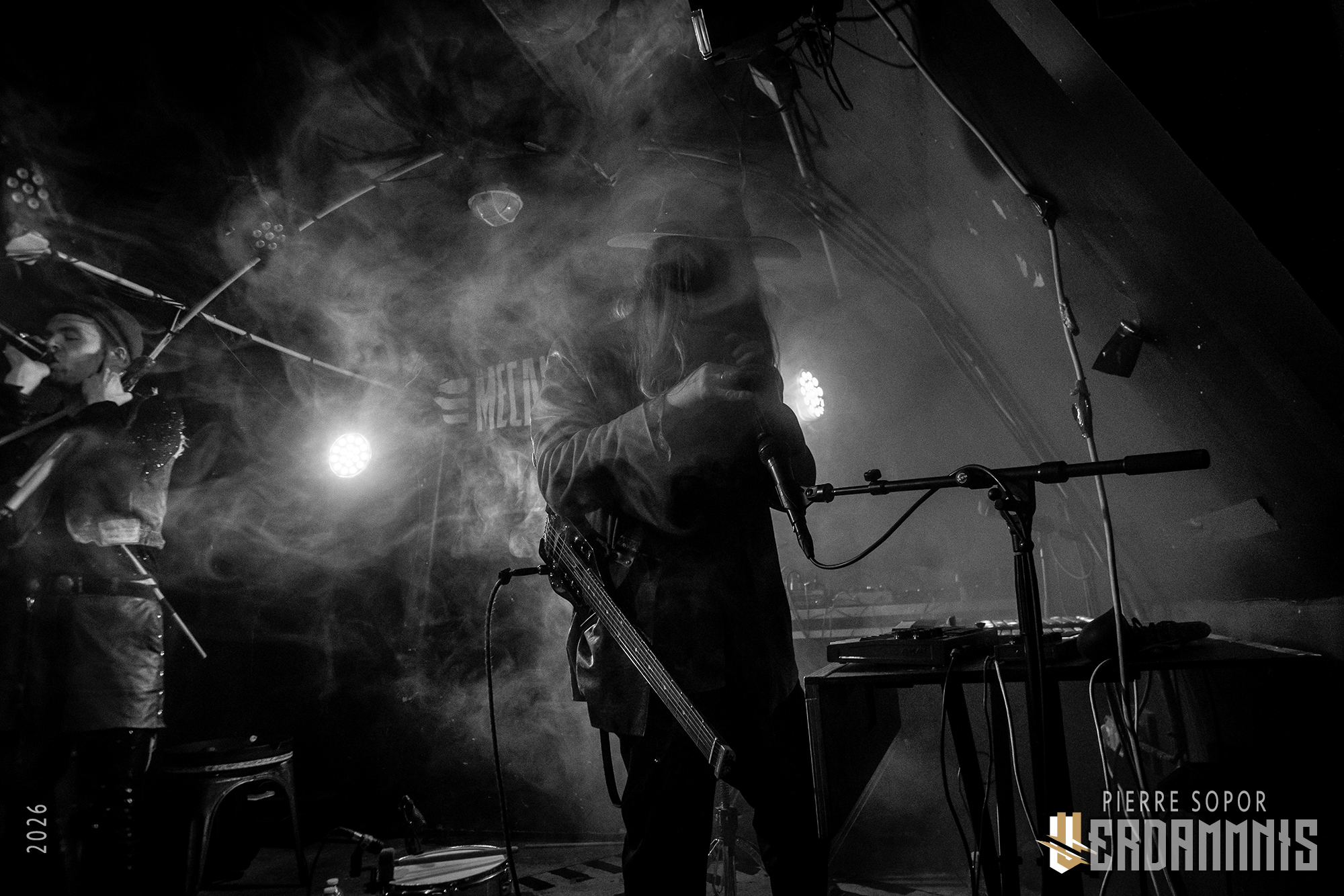
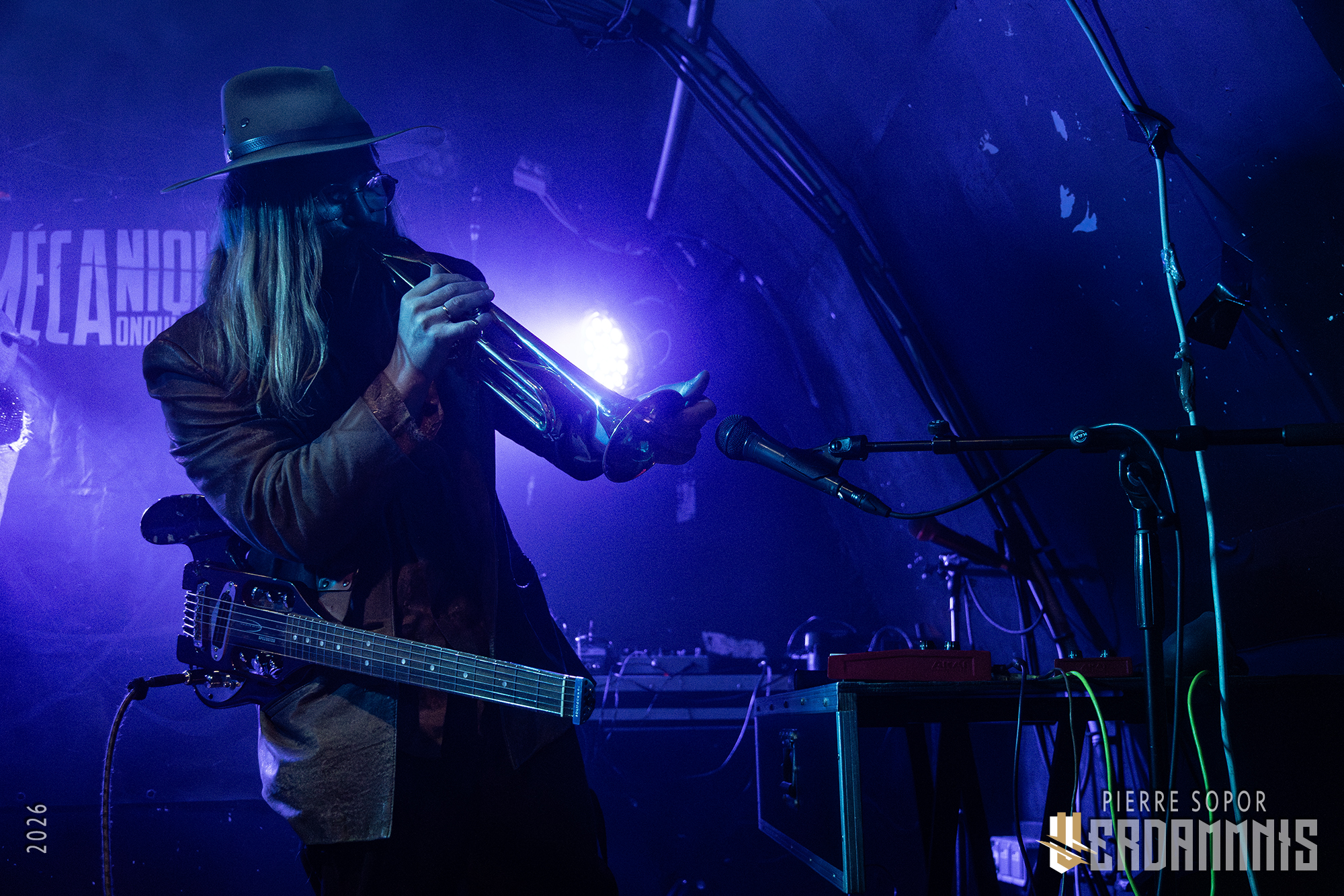
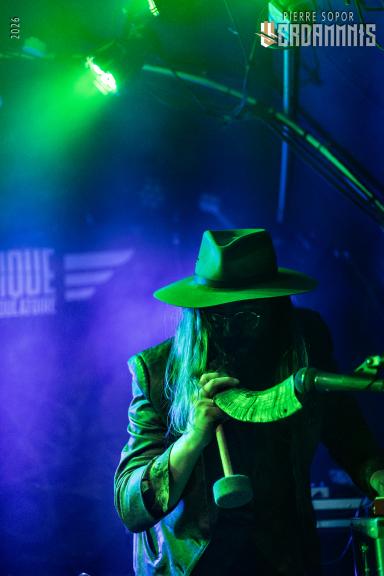
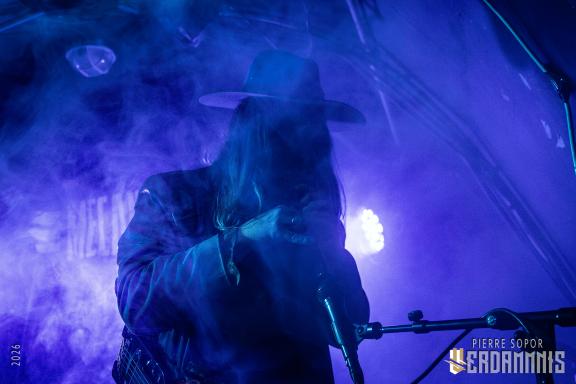
The change of atmosphere is radical. Gone are the dirlidigidii, the turlupirlipipiwibblywobbly and the zirlizlagagaguluguluzwim-pfout – make way for Mai Mai Mai’s drone/ambient/noise/folk ritual. The last time we saw him in Paris was at Petit Bain, supporting Heartworms. This time, there’s no screen... at first, we miss it. After all, an audio-visual project like Mai Mai Mai inevitably loses some of its impact when you strip away the visual element! Yes, but in its place, there’s smoke – lots of smoke.
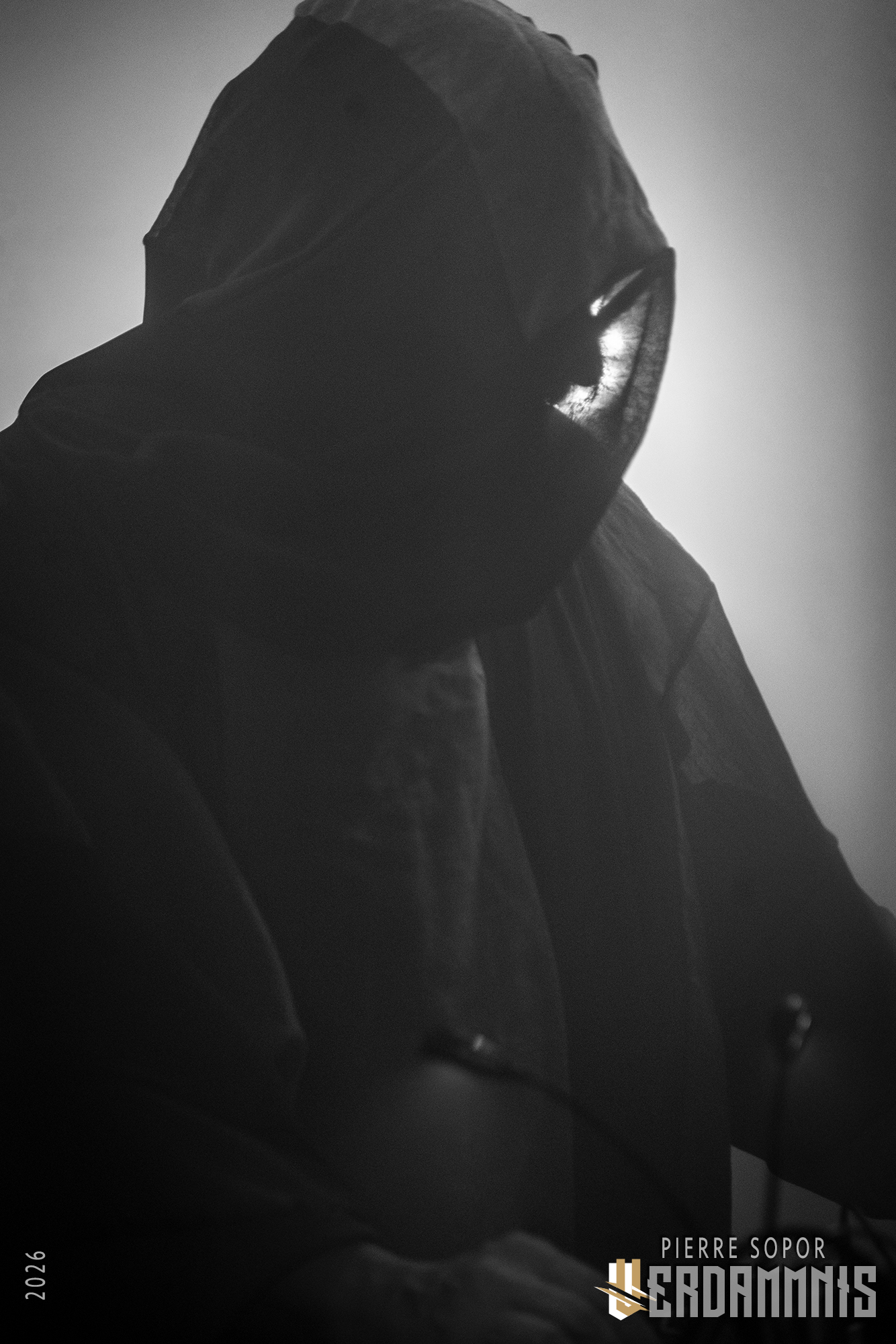
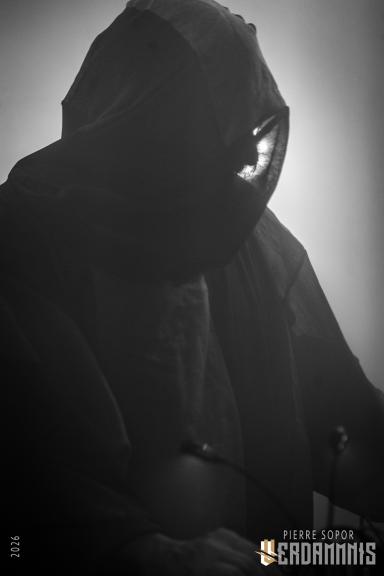
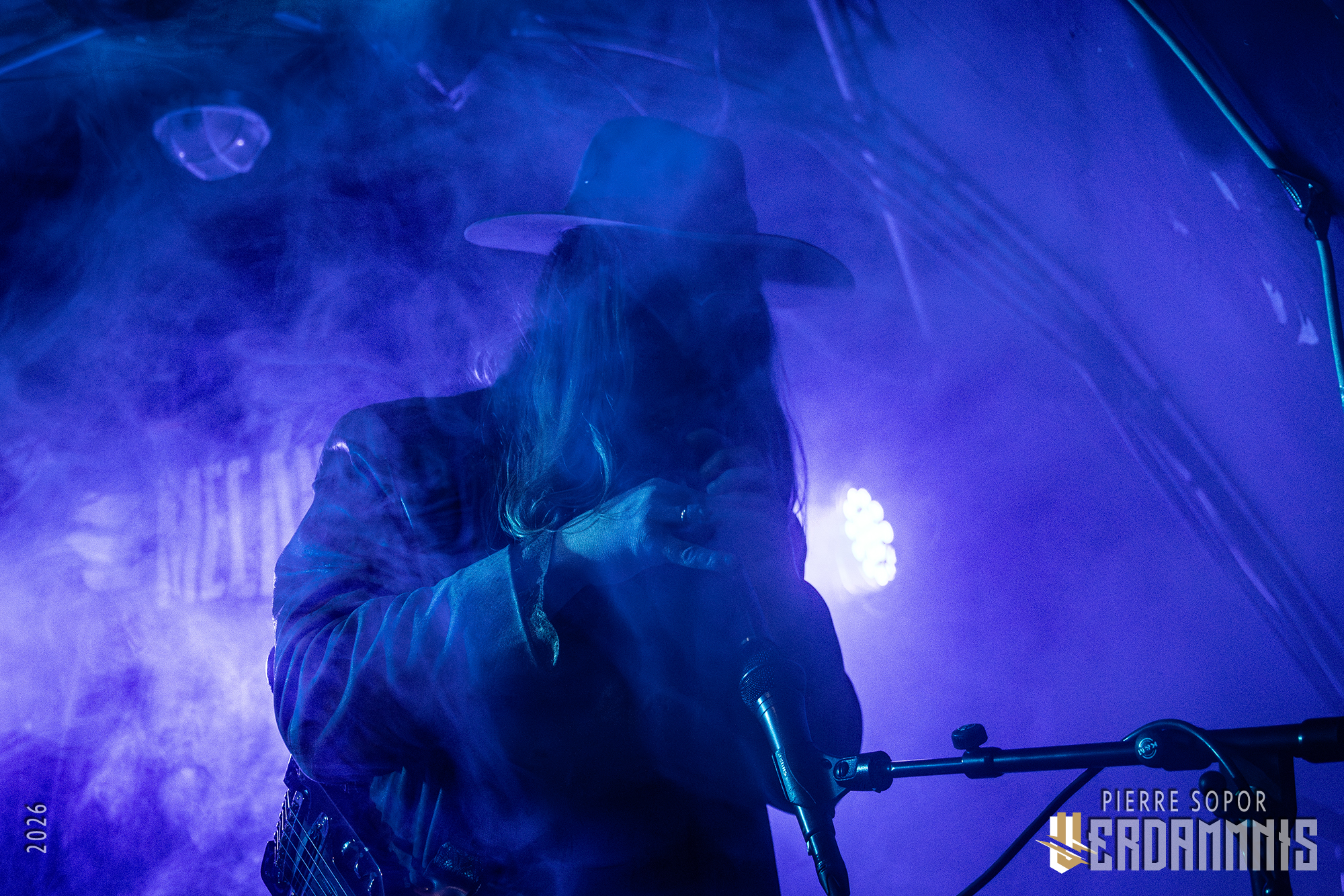
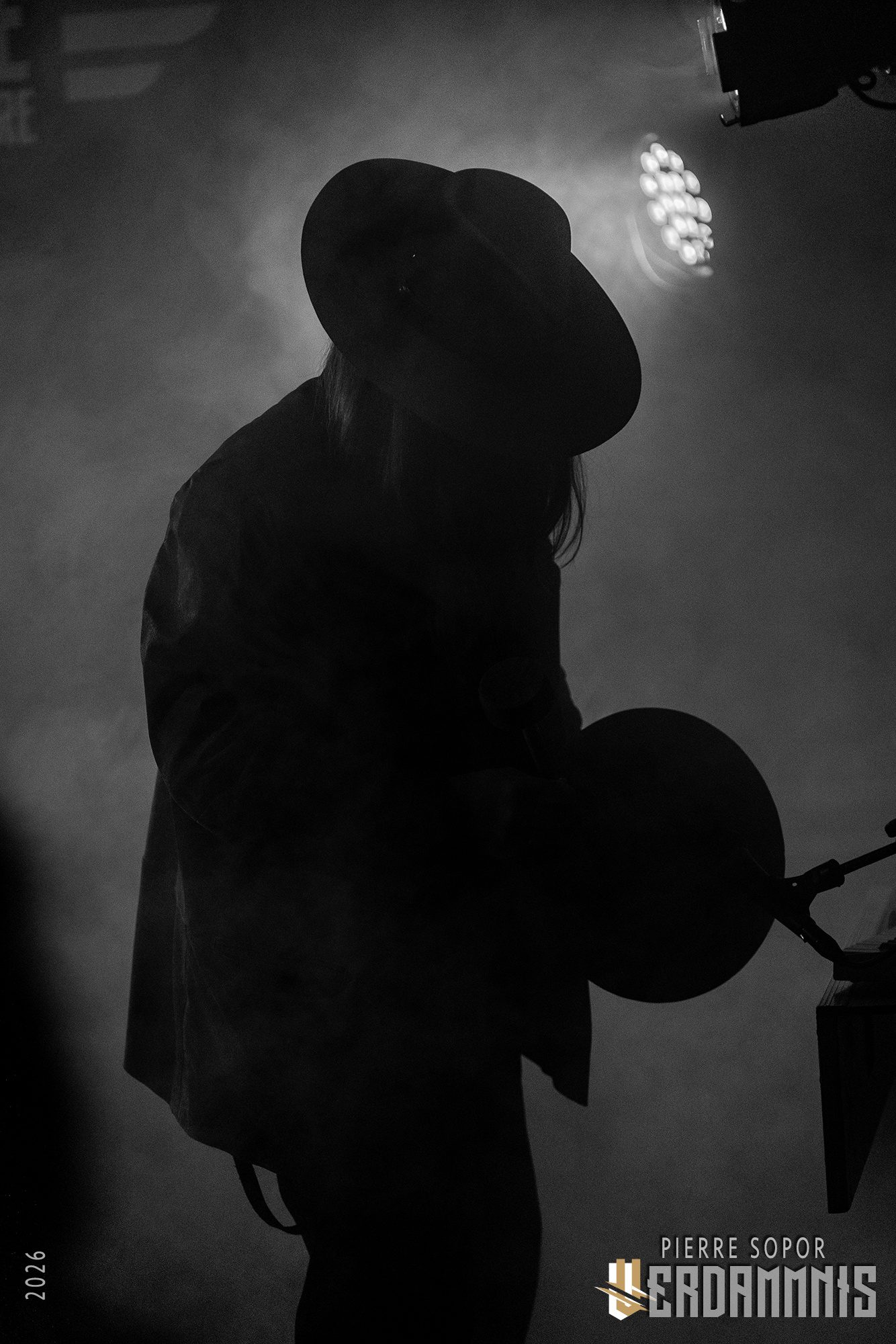
And in the end, it’s not such a big deal. Whilst the videos help us grasp Mai Mai Mai's world and message, which immerses us in the folklore of Southern Italy, its rituals and traditions, the smoke leaves more room for our imagination—a space for our minds to wander and fill in the gaps and silences themselves. An anonymous figure in thick fog: that certainly leaves plenty of room for the imagination!
Mai Mai Mai came to present his latest album, Karakoz. On the album, his Mediterranean influences blend with Middle Eastern sounds. The album was recorded in Ramallah and Bethlehem in Palestine, in collaboration with local musicians to draw on their musical heritage. Part tribute to the cultural richness of the region and part testimony to the ongoing massacres, the result is, naturally, haunted by ghosts.
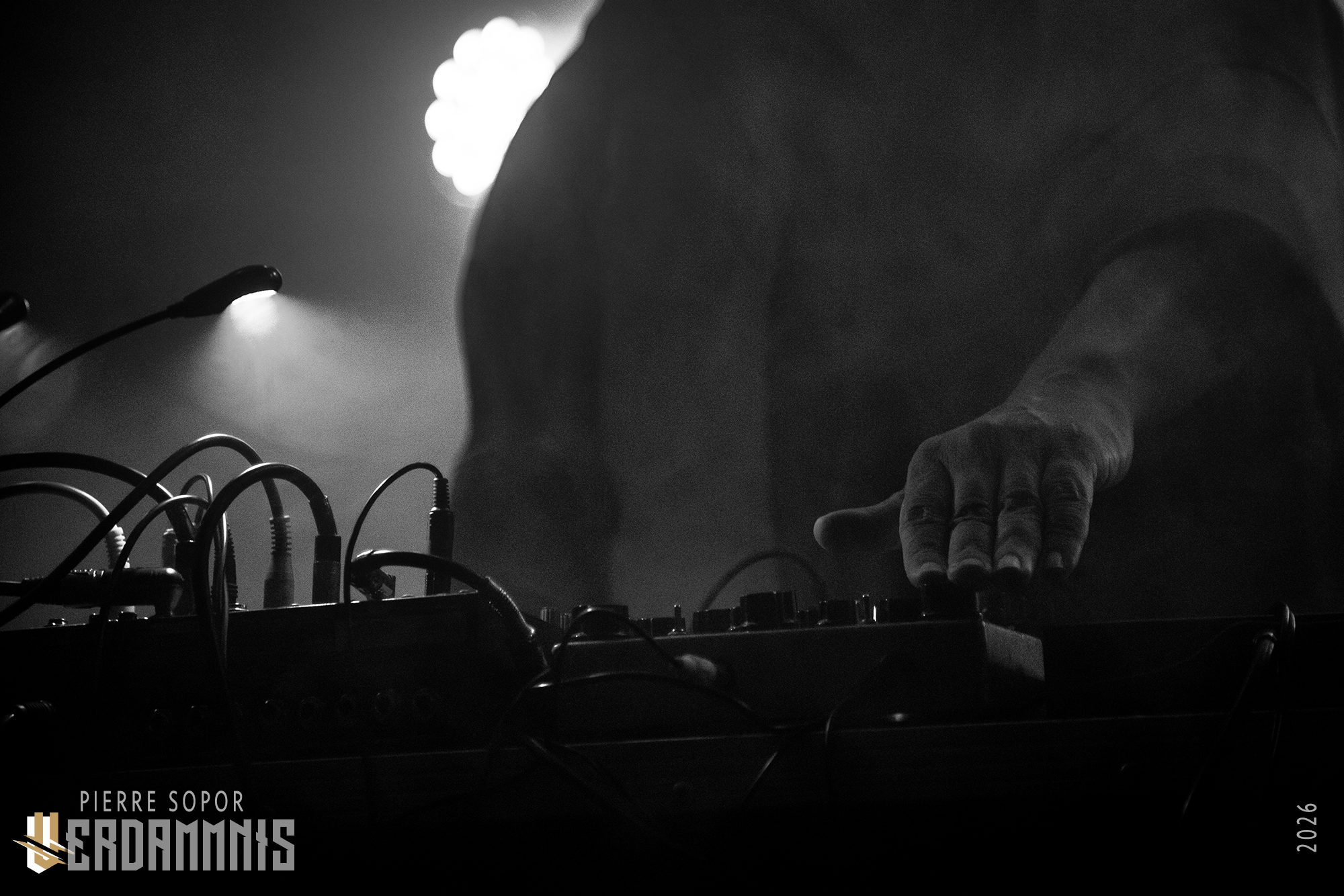
Very quickly, the soundscapes become haunted by melancholy; the ghosts sighing within the machines are set free into the mists of Mécanique Ondulatoire by this hooded figure who has become a medium. Mai Mai Mai summons eras and spirits. The beats become hypnotic; his music fills with diverse sounds, recordings and textures that bring to life the worlds he invokes. His uninterrupted ritual blends the funereal with something very much alive: a beating heart that resists the darkness.
When it all comes to an end, you have to come back up to the surface. We spent the evening on a journey: dreamlike hallucinations, trances, ghosts... A strange experience from which we emerge wondering whether it all really happened as we remember it. Actually, it doesn’t matter: we’ve clearly seen that the reality everyone seems to make such a fuss about isn’t actually all that solid after all.